
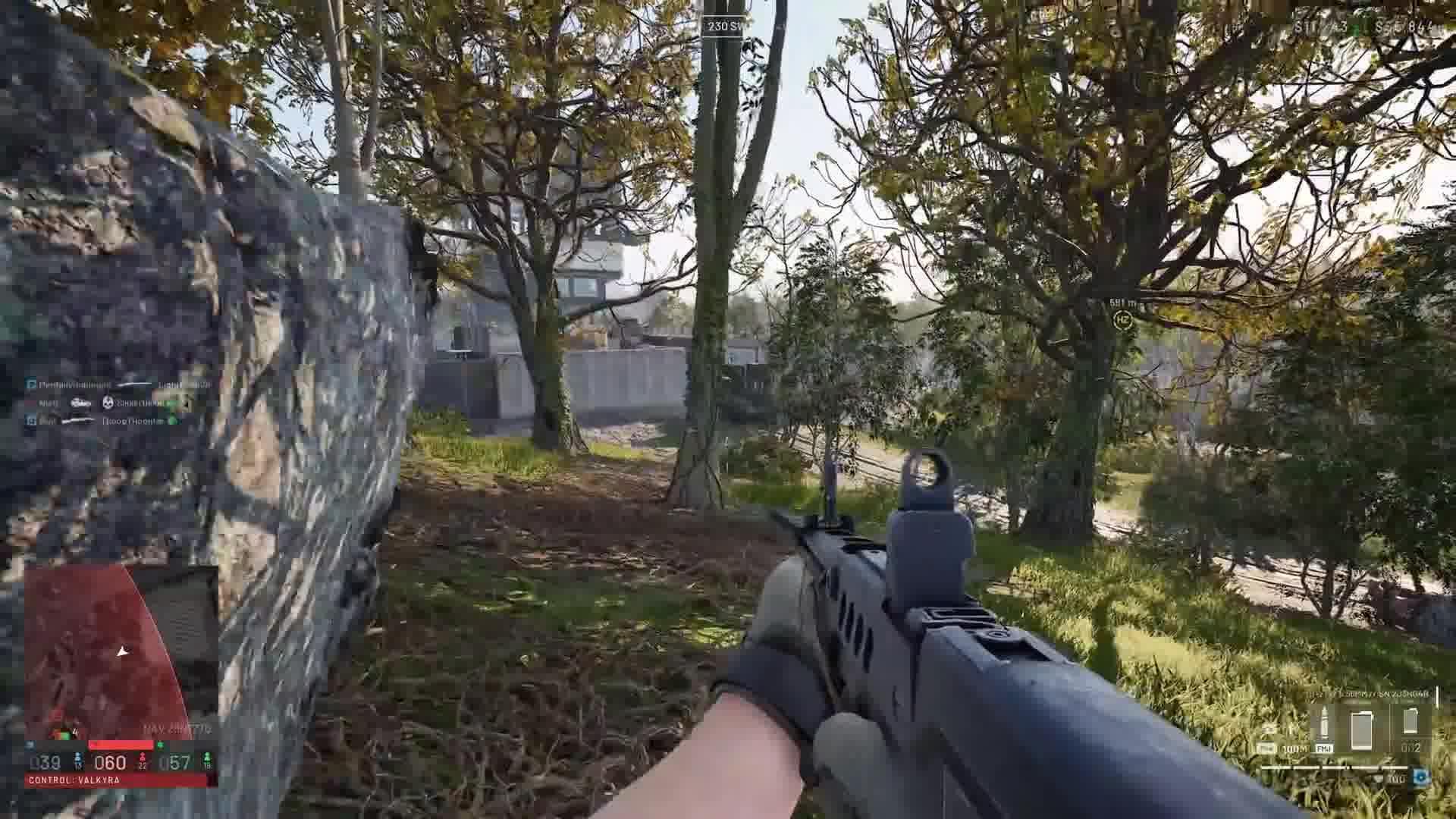
WARDOGS U4GM Reward Priorities for Efficient Event Progression

Battlefield control in WARDOGS is rarely decided by holding one location for an entire match. Enemy movements, changing objectives, and shifting squad positions can quickly make an established strategy ineffective. Players who understand how to relocate at the right moment can maintain pressure without leaving teammates exposed. Improving these decisions is an important part of Wardogs Boosting, as effective rotations help squads preserve momentum and respond to changing combat conditions.
Read the Match Before Changing Positions
A rotation should begin with information, not an impulse to move. Before leaving an area, check the current objective situation and consider whether your squad still has a useful reason to remain there.
If teammates are successfully defending an important location, moving everyone away may create an unnecessary weakness. On the other hand, if the enemy has shifted its attention elsewhere, staying in the same position could prevent your squad from supporting a more valuable objective.
Pay attention to enemy activity, teammate locations, and changes in the mission. These details help determine whether to reinforce an existing position, move toward another objective, or establish a safer location.
Choose Destinations That Offer Tactical Value
Moving across the battlefield is only useful when the destination supports a clear purpose. A good rotation should improve your squad's ability to observe threats, support teammates, or participate in an important objective.
Consider the following factors before selecting a new position:
Objective access: Can the squad contribute to an important task from this location?
Available protection: Does the route or destination provide useful cover?
Team support: Can teammates maintain communication and assist one another?
Future movement: Will the new position leave enough options for another rotation?
Avoid moving toward a location simply because it appears quiet. A position with little enemy activity may also provide little value to the current operation.
Keep the Squad Together Without Moving as One Group
Effective rotations require coordination, but every player does not need to occupy exactly the same position. Different roles can support the transition from different areas while maintaining communication.
Recon players can observe surrounding activity and help identify possible threats. Assault players can support movement toward contested areas, while Support and Medic players should remain aware of the squad's condition and ability to continue operating.
Drivers and Pilots can also contribute when transportation provides a practical way to reach another area. Their decisions should support the team's movement plan rather than create unnecessary separation.
Establish a clear destination and regrouping point before moving. This reduces confusion and helps prevent individual players from becoming isolated during the transition.
Understand the Right Moment to Rotate
Rotating too frequently can disrupt a useful defensive setup. Waiting too long, however, may allow opponents to gain control of important routes or objectives.
Look for meaningful changes that justify relocation. These may include increased enemy pressure, a completed objective, reduced tactical value in the current area, or an opportunity to support teammates elsewhere.
Avoid treating every quiet period as a reason to move. If your squad still has a useful task to complete, remaining in position may be the better decision.
Likewise, do not continue defending an area simply because the team has already invested time there. Previous effort should not prevent players from responding to new conditions.
Protect the Squad During Long Rotations
Long-distance movement can create opportunities for opponents to attack separated players. Before leaving a secure area, consider the route and identify locations where teammates can regroup if the transition becomes difficult.
Avoid rushing through exposed terrain without checking the surroundings. Maintain enough spacing to prevent unnecessary concentration while keeping players close enough to communicate.
If an unexpected engagement interrupts the movement, reassess the situation before continuing. The squad may need to secure a temporary position, change direction, or wait until teammates can move together again.
A controlled transition is more valuable than reaching the destination quickly while leaving part of the team behind.
Use Failed Movements to Improve Future Decisions
Not every rotation will produce an advantage. Sometimes the destination is already contested, the route is unsafe, or the squad arrives too late to influence the objective.
After an unsuccessful attempt, identify the main cause. Did the team lack information? Was the destination poorly chosen? Did players move at different times? Was there insufficient support during the transition?
Use the answer to improve the next decision. Better reconnaissance may solve an information problem, while clearer communication can prevent teammates from becoming separated.
Maintain Pressure Through Flexible Teamwork
Consistent battlefield pressure does not mean attacking continuously. It means keeping the squad involved in useful activities while preserving the ability to respond to new threats.
Some situations call for an advance, while others require reinforcing a defensive position or moving away from an unfavorable engagement. Players who recognize these differences can avoid unnecessary losses and maintain more reliable team performance.
Make Every Rotation Contribute to Progress
Strong rotation habits combine battlefield awareness, objective prioritization, role coordination, and sensible timing. When each movement has a clear purpose, squads can make better use of their positions and maintain pressure without overextending. Players seeking additional progression assistance can explore Wardogs Cash while continuing to improve their tactical decisions through regular matches and coordinated practice.


