
Can Chemical Peels Help With Acne Marks That Look Brown Rather Than Red?

Have your pimples disappeared, but brown marks still remain on your face? This is a common concern for people who experience acne, particularly those with medium to deeper skin tones. Even when breakouts have healed, these marks can make the complexion look uneven and take months to fade.
The good news is that certain chemical peels can help improve brown acne marks. However, the right treatment depends on whether the discolouration is pigmentation, redness, or an actual acne scar.
For anyone considering a Chemical Peel in Islamabad, understanding the difference between these skin concerns can help you choose a suitable treatment and develop realistic expectations.
Why Do Acne Marks Look Brown Instead of Red?
Brown acne marks are commonly caused by post-inflammatory hyperpigmentation (PIH). When a pimple becomes inflamed, the skin may produce excess melanin as part of its response, leaving a darker patch after the breakout heals.
These marks are usually flat and do not change the skin's texture. They may appear light brown, dark brown, or greyish, depending on the individual's skin tone and the depth of the pigment.
Red acne marks are different because they are often associated with lingering redness and changes in small blood vessels after inflammation. Brown marks generally involve excess pigment, while red marks are more closely associated with vascular changes.
Identifying the difference is important because treatments designed for pigmentation may not address persistent redness in the same way.
Can Chemical Peels Improve Brown Acne Marks?
Yes, selected chemical peels can help reduce the appearance of brown acne marks by encouraging controlled exfoliation and skin renewal. Depending on the formulation, a peel can remove some pigmented surface cells and improve uneven skin tone.
Ingredients such as glycolic acid, lactic acid, and salicylic acid may be considered for suitable patients. The choice depends on skin sensitivity, acne activity, pigmentation severity, and the practitioner's assessment.
However, chemical peels do not work equally well for every type of pigmentation. Deeper or persistent marks may require a longer treatment plan or a combination of approaches.
Chemical peels can improve pigmentation, but they do not guarantee complete removal. Gradual improvement is usually a more realistic expectation than an immediate change.
Which Chemical Peel Ingredients May Help?
Different peel ingredients work in different ways. A qualified practitioner selects the formulation according to the patient's skin condition rather than choosing the strongest available option.
Glycolic acid is an alpha-hydroxy acid that helps exfoliate the outer layers of the skin. It may improve superficial pigmentation and uneven texture when used appropriately.
Lactic acid is another exfoliating ingredient that may be considered for patients who need a gentler approach. Salicylic acid is oil-soluble and can be particularly useful when acne-prone skin has clogged pores alongside post-acne marks.
The most suitable ingredient depends on your skin's needs, not simply the darkness of the marks. Incorrect strength or excessive exfoliation can cause irritation and make pigmentation worse.
Brown Acne Marks or Deep Acne Scars: How Can You Tell?
One of the most important steps before treatment is determining whether you have pigmentation or structural scarring. These concerns can look similar in photographs, but they require different approaches.
Brown acne marks are generally flat and affect skin colour. Depressed acne scars, on the other hand, create visible indentations or uneven surfaces because the skin has lost or altered underlying tissue.
A chemical peel may help superficial pigmentation but usually cannot correct deep ice pick, boxcar, or rolling scars on its own.
If the mark changes the skin's texture rather than only its colour, a peel may not be enough. A practitioner may recommend procedures such as microneedling, subcision, or laser resurfacing for selected scar types.
Are Chemical Peels Suitable for Pakistani Skin Tones?
Many people in Pakistan have medium to deeper skin tones, which can be more prone to post-inflammatory hyperpigmentation after irritation. This does not mean chemical peels should be avoided, but it makes careful treatment selection particularly important.
An overly strong peel or unsuitable application can trigger inflammation and leave the skin darker than before. A practitioner should consider skin tone, sensitivity, previous pigmentation, and any history of reactions to skincare products.
For patients seeking a Chemical Peel in Islamabad, the consultation should include a discussion of pigmentation risks and the most appropriate peel strength.
A conservative, personalised approach can be more suitable than aggressive exfoliation. Patients should avoid home experiments with concentrated acids or professional-strength peeling products.
What Happens During a Chemical Peel Appointment?
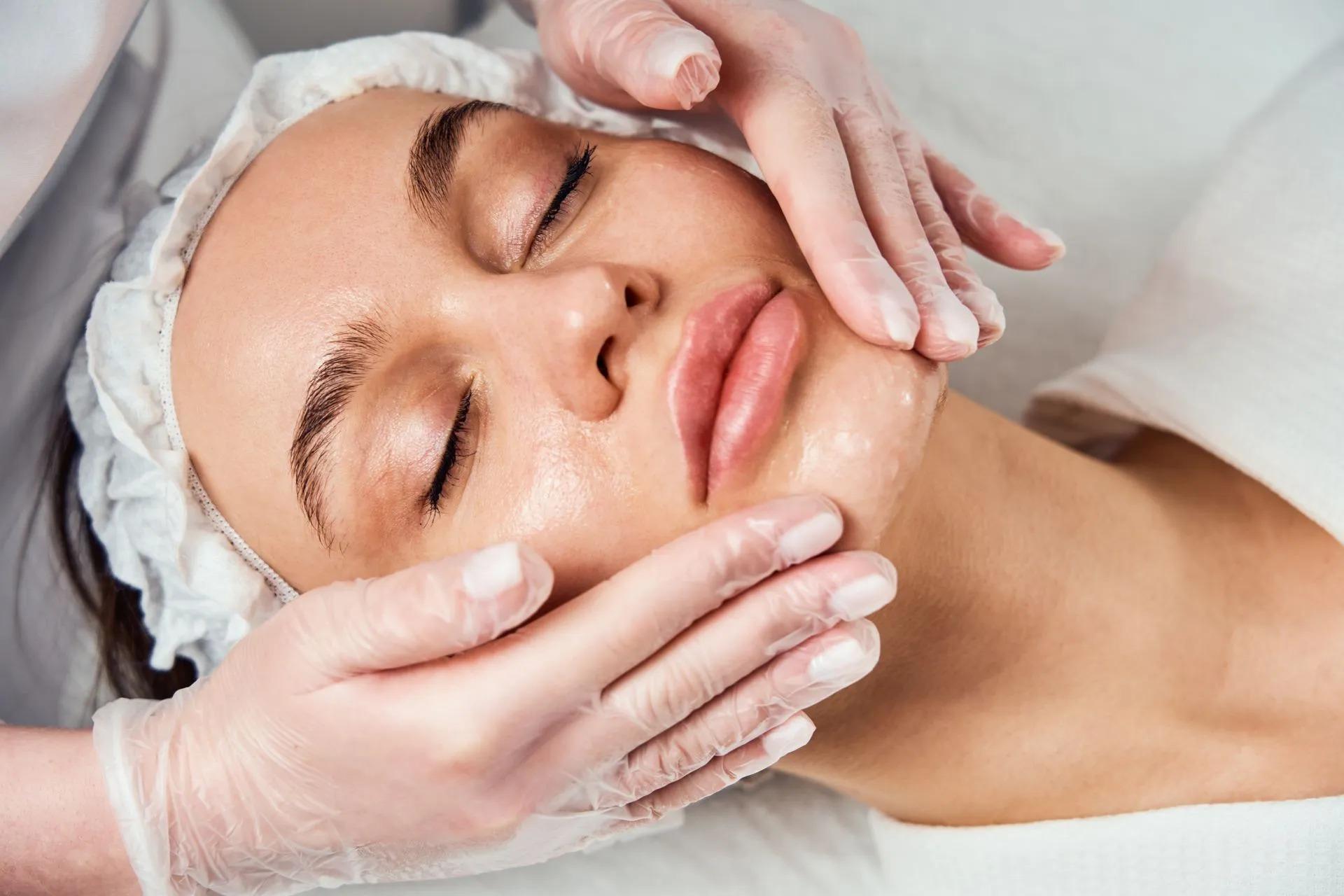
A chemical peel usually begins with an assessment of the skin. The practitioner examines the brown marks, checks for active acne, and determines whether the pigmentation is superficial or requires another treatment approach.
The skin is then prepared, and the selected chemical solution is applied according to the treatment plan. Depending on the peel, patients may experience temporary tingling, warmth, or mild stinging.
After the procedure, the practitioner provides instructions about cleansing, moisturising, sun protection, and products to avoid during recovery. Following these instructions is an important part of achieving a good result.
The amount of peeling can vary. Some treatments cause visible flaking, while others produce little noticeable peeling.
How Many Sessions Are Needed to Fade Brown Acne Marks?
There is no fixed number of sessions for everyone. Mild surface pigmentation may improve with a limited number of treatments, while stubborn marks can require a longer course.
The interval between appointments also matters because the skin needs time to recover. Repeating a peel too frequently can increase irritation and pigmentation risk rather than speed up improvement.
A practitioner should review the skin after each session and adjust the plan if necessary. Consistency and safe treatment intervals are more important than rushing the process.
How Can You Prevent Brown Marks From Returning?
Chemical peels can improve existing pigmentation, but they do not prevent new acne breakouts or eliminate every trigger that causes dark marks. A suitable skincare routine is therefore important for maintaining results.
Daily broad-spectrum sunscreen helps protect the skin from ultraviolet exposure, which can worsen pigmentation. Gentle cleansing and appropriate moisturising can also support the skin barrier.
If acne is still active, managing breakouts is essential because new inflammation may leave additional brown marks. Avoid picking pimples or using harsh scrubs, as these habits can increase irritation.
Long-term improvement requires both pigmentation care and acne control.
Frequently Asked Questions
Do brown acne marks disappear naturally?
Many brown marks gradually fade as the skin renews itself, but this can take several months or longer. Sun exposure and repeated inflammation may slow improvement.
Are chemical peels better for brown marks than red marks?
Chemical peels may be more useful for selected brown marks caused by excess pigment. Persistent redness may require a different assessment and treatment approach.
Can chemical peels make brown acne marks darker?
Yes. Irritation from an unsuitable or overly aggressive peel can trigger post-inflammatory hyperpigmentation, particularly in darker skin tones.
Can I use skincare products after a chemical peel?
Only use products approved by your practitioner during the initial recovery period. Strong exfoliants and retinoids may need to be paused temporarily.
Can one chemical peel remove all brown acne marks?
One session may produce some improvement, but complete removal cannot be guaranteed. Results depend on pigment depth, skin type, and the treatment selected.
Final Thoughts
Chemical peels can help improve flat brown acne marks by reducing superficial pigmentation and encouraging skin renewal. However, identifying the cause of discolouration and selecting the right peel are essential for safe, realistic results. Dynamic Aesthetic Clinic offers professional expertise, board-certified surgeons, and advanced techniques to help patients explore personalised chemical peel options for acne marks and uneven skin tone.


