
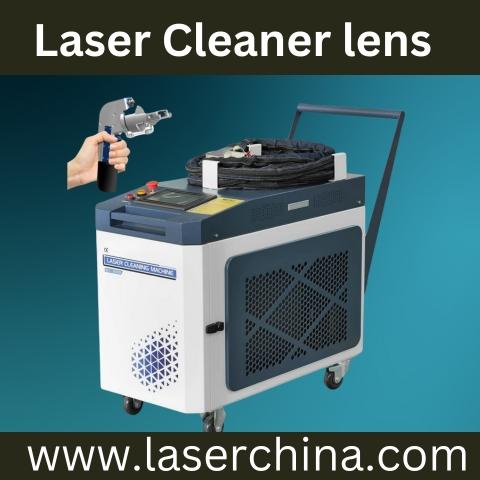
Laser Cleaner Machine: Modern Technology for Precision Surface Cleaning
Industrial cleaning plays an important role in manufacturing, maintenance, and metal processing. Removing rust, paint, oil, and other unwanted contaminants from metal surfaces can be challenging when traditional cleaning methods require extensive labor or chemical treatments. A laser cleaner machine offers a modern solution by using focused laser energy to remove surface impurities with precision and control.
This technology is becoming increasingly popular among manufacturers, automotive workshops, metal fabrication companies, and industrial maintenance professionals.
What Is a Laser Cleaner Machine?
A laser cleaner is an industrial device that uses high-energy laser pulses or continuous laser beams to remove unwanted materials from different surfaces. The laser interacts with contaminants such as rust, oxidation, paint, grease, and dirt, separating them from the underlying material.
Unlike conventional cleaning techniques, laser cleaning does not depend on abrasive materials or chemical solvents. This makes it a suitable option for businesses looking to introduce a more controlled and efficient surface treatment process.
How Does Laser Cleaning Technology Work?
The cleaning process begins when the laser beam is directed toward the targeted surface. The energy interacts with the unwanted coating or contamination, causing it to detach through processes such as ablation.
Operators can adjust parameters including laser power, scanning speed, pulse frequency, and focal distance according to the cleaning application.
Proper parameter selection is important because different materials and contaminants require different treatment settings. Testing on a small area before full-scale cleaning helps achieve consistent results while protecting the base material.
Common Industrial Applications
A laser cleaner machine can be used across various industries where surface preparation and contamination removal are essential.
1. Rust and Oxidation Removal
Metal components exposed to moisture and environmental conditions can develop rust over time. Laser cleaning helps remove corrosion from steel parts, machinery, tools, and metal structures.
2. Paint and Coating Removal
Manufacturers often need to remove old paint, protective coatings, or surface layers before applying new finishes. Laser technology provides a controlled method for preparing these surfaces.
3. Automotive Industry
Automotive workshops use laser cleaning for removing rust, paint, oil, and other contaminants from selected vehicle components, including engine parts and metal assemblies.
4. Mold and Tool Cleaning
Industrial molds and production tools require regular maintenance. Laser cleaning can remove accumulated residues and contaminants without relying on conventional abrasive cleaning materials.
5. Metal Manufacturing
In metal fabrication and welding operations, surface preparation is important for achieving suitable working conditions. Laser cleaning can help prepare metal surfaces before welding, coating, and other manufacturing processes.
Different Types of Laser Cleaning Systems
Laser cleaning equipment is available in different configurations to meet various industrial requirements.
-
Pulsed Laser Cleaners: Designed for applications requiring controlled energy delivery and precision cleaning.
-
Continuous Wave Laser Cleaners: Suitable for certain high-speed industrial cleaning applications.
-
Portable Laser Cleaners: Provide flexibility for workshops, maintenance teams, and on-site cleaning operations.
-
Industrial Laser Cleaning Systems: Designed for production environments and larger-scale surface treatment requirements.
Selecting the right system depends on the material, contamination type, cleaning area, and production requirements.
How to Choose the Right Equipment
Before purchasing a laser cleaner machine, businesses should evaluate several important factors.
First, consider the required laser power and cleaning speed. Different applications may require different power levels, so equipment should match the actual workload.
Second, examine the laser source, scanning system, cooling method, and operating controls. Equipment quality and technical support also play an important role in long-term operation.
Finally, check the manufacturer's warranty, spare parts availability, operator training, and maintenance support. A reliable supplier can help businesses select appropriate equipment and configure it for their specific applications.
Laser Cleaning Safety and Maintenance
Laser cleaning requires proper safety procedures because industrial laser beams can cause serious eye and skin injuries. Operators should use suitable laser safety eyewear, protective equipment, and appropriate safety enclosures where required.
Adequate ventilation and fume extraction are also essential because removing paint, rust, and industrial coatings can release hazardous particles or fumes.
Regular inspection of optical components, cables, cooling systems, and protective equipment helps maintain consistent performance and safe operation.
Final Thoughts
Laser cleaning technology is transforming industrial surface preparation by providing a precise and modern approach to removing rust, paint, oxidation, and other contaminants. Whether used in automotive workshops, manufacturing facilities, or metal fabrication businesses, a laser cleaner machine can support a wide range of cleaning requirements.
Choosing suitable equipment, understanding the application, and following proper safety procedures are essential for achieving reliable cleaning results. Investing in the right laser cleaning system can help businesses modernize their surface treatment operations and meet demanding industrial standards.


