
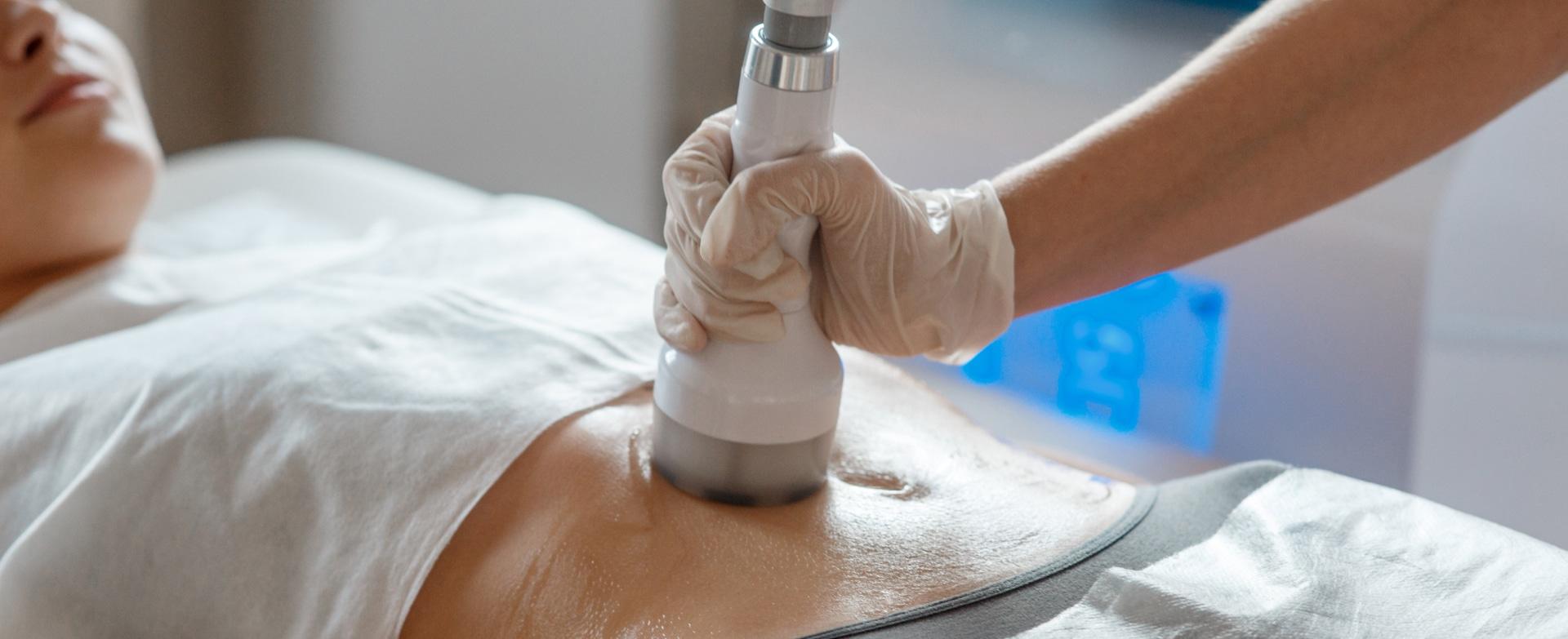
Can Body Contouring Address an Overhanging Lower Abdominal Fold After Weight Loss?

Losing a significant amount of weight can be a major achievement, but the changes in your body do not always match your expectations. Even after reaching a healthier weight, some people are left with an overhanging fold of skin and tissue around the lower abdomen.
This fold can affect clothing choices, confidence, and everyday comfort. It may also create practical concerns, such as skin irritation or difficulty keeping the area dry.
The good news is that body contouring may help address an overhanging lower abdominal fold, depending on whether it consists mainly of excess skin, remaining fat, or a combination of both. For anyone considering Body Contouring in Islamabad, understanding the available options is an important first step.
1. Why Does an Overhanging Abdominal Fold Develop After Weight Loss?
When someone gains weight, the abdominal skin stretches to accommodate the increased volume beneath it. After substantial weight loss, the underlying fat becomes smaller, but the stretched skin may not fully return to its previous shape.
The amount of remaining loose tissue depends on several factors, including the total weight lost, age, genetics, skin elasticity, and how long the skin remained stretched.
Some people develop a small fold below the belly button, while others experience a more pronounced overhang that extends towards the pubic area.
An abdominal overhang is not always a sign of remaining excess fat. In many cases, loose skin is the main concern, which means fat removal alone may not provide the desired improvement.
2. What Is an Overhanging Lower Abdominal Fold?
An overhanging lower abdominal fold is sometimes called a pannus or panniculus. It refers to excess skin and fatty tissue that hangs over the lower abdomen.
Its size can vary considerably. A mild fold may only become noticeable when sitting, while a larger one may hang over the groin area even when standing.
In some individuals, the fold can trap moisture and create friction against clothing. This may contribute to rashes, irritation, unpleasant odour, or recurring skin infections.
The location, size, and composition of the fold help determine which treatment may be appropriate. A medical assessment is useful when the fold causes persistent skin problems or affects daily activities.
3. Can Body Contouring Remove the Lower Abdominal Overhang?
Yes, selected body contouring procedures can address excess tissue in the lower abdomen. However, the appropriate technique depends on the amount of loose skin and whether significant fat deposits or muscle separation are also present.
For patients with substantial excess abdominal skin, a tummy tuck (abdominoplasty) may be considered. This procedure removes selected excess skin and tissue, and it may also involve tightening separated abdominal muscles when clinically appropriate.
In more extensive cases, a panniculectomy may be discussed. This procedure primarily removes the overhanging apron of skin and tissue, particularly when it causes functional or hygiene-related problems.
The difference between removing excess skin and improving abdominal contours is important. Your surgeon can explain which procedure best matches your needs and whether additional treatment is appropriate.
4. Is Liposuction Enough to Treat an Abdominal Fold?
Liposuction can remove localised fat deposits, but it does not remove large amounts of hanging skin. It may be suitable when the main concern is stubborn fat and the skin has enough elasticity to adapt after treatment.
If the overhang consists mainly of stretched skin, liposuction alone may leave the fold unchanged or make loose skin more noticeable. In some cases, it may be combined with a surgical procedure, but this depends on individual anatomy and treatment goals.
Removing fat is not the same as removing excess skin. Patients should avoid choosing liposuction simply because they want a flatter lower abdomen.
5. Which Factors Determine the Right Body Contouring Procedure?
A surgeon needs to examine the abdominal area before recommending treatment. Two patients with similar weight loss may require completely different procedures because their skin quality, fat distribution, and abdominal structure can vary.
During a consultation for Body Contouring in Islamabad, several factors may be considered:
-
The amount of excess skin hanging over the lower abdomen.
-
Whether the fold contains significant remaining fat.
-
Skin elasticity and the condition of the surrounding tissue.
-
The presence of abdominal muscle separation.
-
Any recurring irritation, rashes, or hygiene difficulties.
-
Current weight stability and general medical fitness.
-
Previous abdominal surgeries and future pregnancy plans.
A personalised assessment helps match the procedure to the actual problem rather than relying on appearance alone.
6. Should You Reach a Stable Weight Before Surgery?
Weight stability is an important consideration before major abdominal contouring. Significant weight fluctuations after surgery can affect the results by changing the amount of fat and tension on the remaining skin.
Patients are generally advised to reach a weight they can maintain before undergoing elective body contouring. The appropriate timing depends on individual health, weight-loss history, and whether further weight reduction is planned.
People who have undergone bariatric surgery may need additional time to recover and address nutritional deficiencies before considering another operation.
A stable weight supports more predictable surgical planning. Your surgeon may also recommend reviewing nutrition, blood levels, and other health factors before proceeding.
7. What Is Recovery Like After Lower Abdominal Contouring?
Recovery depends on the procedure performed and how much tissue needs to be removed. A tummy tuck or panniculectomy generally involves more recovery than non-surgical treatments or limited liposuction.
Patients may experience swelling, bruising, discomfort, and temporary restrictions on movement. Compression garments, wound care, follow-up appointments, and activity limitations may be part of the recovery plan.
It is important to avoid strenuous exercise and heavy lifting until the surgeon confirms that these activities are safe. Following postoperative instructions plays an important role in healing and reducing complications.
Potential risks include infection, bleeding, fluid accumulation, wound-healing problems, scarring, and changes in sensation. These should be discussed before surgery.
8. Can Body Contouring Improve More Than Appearance?
For some patients, removing an overhanging lower abdominal fold can offer practical benefits beyond cosmetic improvement. A large fold may make walking, exercise, dressing, and personal hygiene more difficult.
When excess tissue causes repeated skin irritation or infections, surgical removal may be considered for functional reasons as well as appearance.
However, not every abdominal fold requires surgery. The decision should consider both physical concerns and the patient's personal goals.
Patients with persistent rashes, painful skin changes, or suspected infection should receive medical assessment rather than relying on cosmetic treatment alone.
Frequently Asked Questions
Can a lower abdominal overhang disappear naturally after weight loss?
Small amounts of loose skin may improve over time, but significant excess skin often remains, particularly after major weight loss. Skin elasticity and individual factors influence how much natural tightening occurs.
Is a tummy tuck better than liposuction for loose abdominal skin?
A tummy tuck may be more suitable when excess skin is the main concern. Liposuction primarily removes fat and is not designed to remove a large hanging fold.
Can an abdominal fold cause skin infections?
Yes. Moisture and friction beneath a large fold can contribute to irritation and infections. Persistent symptoms should be assessed by a healthcare professional.
Will the abdominal fold return after surgery?
Results can change with significant weight gain, future pregnancy, and ageing. Maintaining a stable weight can help preserve the improvement.
Final Thoughts
An overhanging lower abdominal fold after weight loss can remain even when someone has reached a healthier body weight. Body contouring procedures such as tummy tuck or panniculectomy may help selected patients by removing excess skin and tissue. Anyone considering Body Contouring in Islamabad should first receive a professional assessment to determine the cause of the overhang and the most appropriate treatment.
Dynamic Aesthetic Clinic offers personalised body contouring guidance through experienced medical professionals, board-certified surgeons, and advanced surgical techniques. Patients can consult the team to discuss abdominal skin concerns, suitable procedures, recovery expectations, and individual treatment planning.


