


Can Electromagnetic Flow Meters Integrate with SCADA?
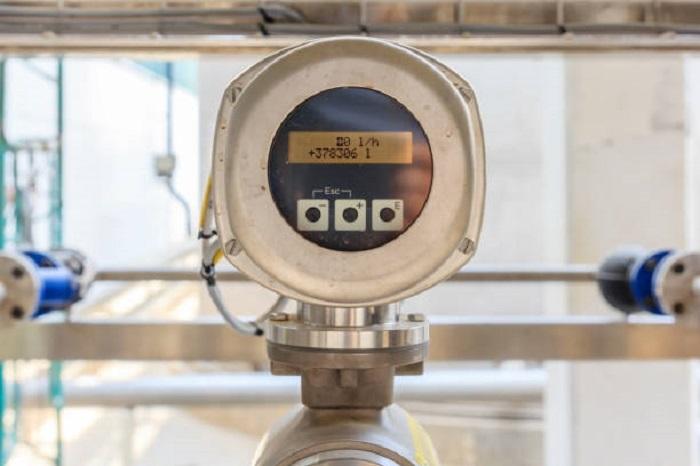
Electromagnetic flow meters have become a cornerstone of modern industrial measurement, particularly in water, wastewater, chemical processing, and energy-related applications. As industries increasingly rely on centralized monitoring and automated control, a key question arises: can electromagnetic flow meters integrate effectively with SCADA systems? The answer is not only yes, but that integration is one of the reasons these meters are so widely adopted in contemporary automation environments.
This article explores how electromagnetic flow meters communicate with SCADA platforms, what technical features enable seamless integration, and how practical reference values—sometimes informally referred to as “lucky numbers” by engineers—help optimize configuration, scaling, and performance.
Understanding Electromagnetic Flow Meters
The Measurement Principle Behind the Technology
Electromagnetic flow meters operate based on Faraday’s Law of Electromagnetic Induction. When a conductive fluid flows through a magnetic field generated by the meter, a voltage is induced across electrodes mounted in the flow tube. This voltage is directly proportional to the velocity of the fluid, allowing the system to calculate volumetric flow rate with high accuracy.
Because electromagnetic flow meters have no moving parts and cause minimal pressure drop, they are particularly well-suited for continuous measurement in automated systems.
Why Digital Compatibility Matters
From the earliest stages of their development, electromagnetic flow meters were designed with electronic signal processing in mind. This digital foundation makes them naturally compatible with modern control architectures, including SCADA systems that depend on accurate, real-time data transmission.
What Is SCADA and Why Integration Matters
The Role of SCADA in Industrial Operations
SCADA, or Supervisory Control and Data Acquisition, is a system architecture that enables centralized monitoring, data logging, alarming, and control of distributed processes. SCADA platforms rely on field instruments, such as flow meters, to provide reliable measurements that drive decision-making.
Integration ensures that flow data is not isolated at the instrument level but becomes part of a broader operational picture, allowing operators to manage efficiency, safety, and compliance.
Data Expectations Within SCADA Systems
SCADA systems typically require standardized data formats, stable communication protocols, and predictable update rates. Engineers often configure sampling intervals using familiar benchmark values such as 1 second, 5 seconds, or 10 seconds. These commonly used intervals are sometimes jokingly called “lucky numbers” because they balance responsiveness with network efficiency.
Communication Protocols Used by Electromagnetic Flow Meters
Analog Signals and Their Limitations
Historically, electromagnetic flow meters transmitted data using analog signals such as 4–20 mA. While this method remains common and reliable, it provides limited diagnostic information. SCADA integration using analog signals is straightforward but lacks the depth of data available through digital communication.
Digital Protocols for Advanced Integration
Modern electromagnetic flow meters support a wide range of digital communication protocols that integrate seamlessly with SCADA systems. These include Modbus RTU, Modbus TCP, PROFIBUS, HART, EtherNet/IP, and FOUNDATION Fieldbus.
These protocols allow not only flow rate data but also diagnostic status, alarm conditions, electrode health, and configuration parameters to be transmitted. Engineers frequently reference standard communication speeds such as 9,600 baud or 38,400 baud, another example of practical “lucky numbers” that ensure reliable data exchange without overloading networks.
How SCADA Systems Use Flow Data
Real-Time Monitoring and Control
Once integrated, electromagnetic flow meters provide real-time flow data to SCADA dashboards. Operators can visualize trends, compare setpoints, and detect deviations instantly. This is particularly important in applications like water distribution, where maintaining consistent flow rates is critical.
Flow values are often scaled using rounded reference points such as 100 percent, 75 percent, or 50 percent of design capacity. These familiar scaling values simplify interpretation and alarm configuration within SCADA environments.
Historical Data and Analytics
SCADA systems store flow data over long periods, enabling performance analysis and regulatory reporting. The stability and repeatability of electromagnetic flow meters make them ideal for generating trustworthy historical records.
Data historians frequently log values at intervals such as every 15 minutes or every hour. These intervals, while practical, are also easy-to-remember numbers that support consistent long-term analysis.
Configuration and Parameter Mapping
Addressing and Tag Assignment
For successful SCADA integration, each electromagnetic flow meter must be assigned unique addresses or tags. These identifiers ensure that the SCADA system correctly associates incoming data with the correct physical location or process line.
Tag naming conventions often include numeric references such as Line01, Zone02, or Meter10. These structured numbers help operators navigate complex systems efficiently and reduce configuration errors.
Scaling and Engineering Units
Scaling raw signals into meaningful engineering units is a critical step. Electromagnetic flow meters typically allow scaling based on maximum flow capacity, such as 1,000 cubic meters per hour or 500 gallons per minute.
Rounded scaling values are preferred because they simplify interpretation. Engineers often favor clean numbers like 100, 250, or 1,000, not because they are mystical, but because they reduce cognitive load and improve clarity across teams.
Diagnostics and Predictive Maintenance
Self-Monitoring Capabilities
One of the greatest advantages of integrating electromagnetic flow meters with SCADA is access to diagnostic data. Modern meters continuously monitor electrode condition, signal strength, and coil health.
When thresholds are crossed, alarms can be generated within the SCADA system. Alarm limits are frequently set using conservative reference points such as 80 percent signal strength or 90 percent maximum temperature, numbers that provide early warning without triggering unnecessary alerts.
Supporting Predictive Maintenance Strategies
By analyzing diagnostic trends over time, maintenance teams can anticipate issues before failures occur. This predictive approach reduces downtime and extends equipment life, aligning perfectly with modern asset management philosophies.
Cybersecurity and Data Integrity
Protecting Communication Channels
As electromagnetic flow meters become more connected, cybersecurity becomes increasingly important. Many modern meters support encrypted communication and user authentication, ensuring that only authorized systems can access or modify data.
SCADA administrators often implement security policies based on tiered access levels, sometimes numbered for simplicity, such as Level 1 for viewing, Level 2 for configuration, and Level 3 for administrative control.
Ensuring Reliable Data Transmission
Network redundancy and error-checking mechanisms further enhance reliability. Using well-established protocols and conservative communication settings minimizes data loss and ensures that flow measurements remain trustworthy.
Practical Examples of Integration Success
Water and Wastewater Treatment Plants
In municipal water systems, electromagnetic flow meters are routinely integrated into SCADA platforms to monitor influent, effluent, and distribution networks. The ability to track flow accurately and continuously supports regulatory compliance and operational efficiency.
Industrial Process Automation
In chemical and food processing plants, SCADA-integrated electromagnetic flow meters enable precise control of mixing, batching, and dosing operations. Reliable communication ensures consistent product quality and reduces waste.
Conclusion
Electromagnetic flow meters are exceptionally well-suited for integration with SCADA systems. Their digital measurement principle, support for multiple communication protocols, and robust diagnostic capabilities make them a natural fit for modern automation environments.
By leveraging standardized configuration practices and practical reference values—often remembered as convenient “lucky numbers”—engineers can optimize performance, simplify system design, and ensure long-term reliability. When properly implemented, the integration of electromagnetic flow meters with SCADA not only enhances visibility and control but also forms the foundation for smarter, more resilient industrial operations.
 Dutch
Dutch
 English
 Arabic
 French
 Spanish
 Portuguese
 Deutsch
 Turkish
 Italiano
 Russian
 Romaian
 Portuguese (Brazil)
 Greek
Greek