
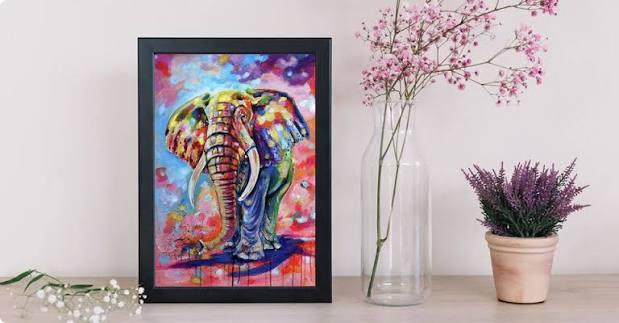

The Joy of Creating Beautiful Pet Artwork
Pets are an important part of many families, bringing companionship, happiness, and unforgettable memories into everyday life. Dogs, cats, rabbits, birds, and other beloved animals often inspire people to celebrate them through photographs, paintings, decorations, and handmade crafts. Diamond painting offers another creative way to turn that appreciation into something beautiful. It involves placing small resin diamonds onto an adhesive canvas according to a printed pattern, gradually revealing an image through carefully arranged colors. The finished artwork can feature a realistic animal portrait, a playful illustration, or a colorful scene inspired by favorite pets. Many people enjoy this hobby because it combines a simple creative activity with subjects that have personal meaning. It can be completed at a comfortable pace, making it suitable for people who enjoy spending their free time on artistic projects. Whether you want to decorate your home, prepare a thoughtful present, or create a lasting reminder of a beloved companion, pet-inspired diamond painting offers many possibilities. Each completed canvas represents time, patience, and creativity, turning small individual pieces into an attractive decorative image.
Exploring Pet Diamond Painting Designs
Choosing a suitable design is one of the most enjoyable parts of starting a new project. pet diamond art kits provide a convenient way to explore different animal subjects while receiving the main materials needed for the activity. Available designs may feature puppies, kittens, adult dogs, elegant cats, rabbits, birds, horses, and other familiar animals. Some illustrations focus on a single animal, while others show several pets together in a cheerful scene. You may prefer a realistic portrait that highlights recognizable facial features, or a more imaginative design with bright backgrounds, flowers, and decorative patterns. The choice depends on your personal taste and the location where you plan to display the finished artwork. A colorful animal illustration may suit a child's bedroom, while a detailed portrait could become a meaningful addition to a living room or office. Before selecting a design, look closely at its preview and consider whether the animal, colors, and overall composition appeal to you. Choosing a subject that genuinely interests you can make the entire crafting experience more enjoyable.
Why Animal-Themed Artwork Makes a Special Decoration
Animal artwork can add warmth and personality to a room because it represents subjects that many people already love. A portrait of a family dog may remind someone of years of companionship, while a picture of a playful kitten can create a cheerful atmosphere in a bedroom. Rabbit and bird illustrations can introduce softer colors and gentle details into a decorative arrangement. The finished canvas can be displayed on its own or included in a collection of handmade artwork. Some people prefer a large portrait as a focal point, while others arrange several smaller animal designs together to create a gallery-style display. The colors of the artwork can also complement existing furniture, curtains, and wall decorations. For a coordinated appearance, consider selecting designs with similar backgrounds or color palettes. Handmade artwork has an additional personal quality because it represents the effort invested in completing the project. Instead of purchasing an ordinary decoration, you create something gradually through your own attention and creativity. This makes pet-inspired diamond painting an enjoyable option for anyone who wants more personal details in their living space.
Choosing Between Dogs, Cats, and Other Animals
The animal featured in a design can influence the appearance and emotional meaning of the finished artwork. Dog portraits are popular because different breeds have distinctive faces, fur patterns, and expressions. Some designs feature playful puppies, while others focus on mature dogs sitting calmly or looking directly toward the viewer. Cat illustrations may show sleeping kittens, curious expressions, long-haired breeds, or colorful fantasy scenes. Rabbits can create a softer appearance through their long ears and gentle expressions, while birds provide opportunities to explore bright feathers and detailed color combinations. Other designs may include horses, guinea pigs, hamsters, turtles, and animals that people enjoy keeping as companions. When choosing among different pet diamond art kits, consider which animal you would most enjoy seeing in your home. You can also select a design based on someone else's favorite pet if you are preparing a present. Think about the personality represented in the picture as well as the animal itself. A cheerful illustration may feel playful, while a realistic close-up portrait can create a more personal and traditional appearance.
Understanding Different Canvas Sizes
Canvas dimensions affect the amount of detail a design can display and the time needed to complete it. Smaller canvases are often suitable for simple illustrations, beginner projects, and decorative spaces with limited room. They usually require fewer drills, making them a practical choice for people who want a shorter crafting activity. Larger canvases provide additional space for detailed facial features, subtle shading, and complicated backgrounds. These qualities can be especially useful when creating realistic portraits of dogs or cats. A larger canvas may help preserve important details around the eyes, nose, ears, and fur. However, it also requires more working time and a suitable area for storage and completion. Before purchasing, measure the wall or display area where you intend to place the finished artwork. Compare the dimensions with the design preview to understand how much detail the canvas may contain. If you are creating a portrait from a personal photograph, consider whether the selected size can represent the animal's recognizable features clearly. Choosing a suitable size can help balance visual quality, available space, and the amount of time you want to spend crafting.
Understanding Full Drill and Partial Drill Artwork
Diamond painting designs generally use either full drill or partial drill formats. A full drill canvas requires placing resin diamonds across nearly the entire printed design. This creates a sparkling surface throughout the artwork and can provide an extended crafting experience. Full drill projects are often attractive for detailed pet portraits because the drills contribute to the appearance of fur, backgrounds, and other visual elements. Partial drill designs use diamonds only in selected areas, leaving some printed sections uncovered. This approach can highlight specific features such as the animal's eyes, collar, nose, or decorative background elements. Partial drill projects may be suitable for people who prefer a shorter activity or enjoy combining printed artwork with sparkling details. Neither format is automatically better because the best choice depends on the design and your personal preferences. Review the product description carefully so you know which format is included. Think about the amount of time you can comfortably spend and whether you prefer a canvas with extensive diamond coverage or selected sparkling details.
Round and Square Drills Explained
Resin diamonds are commonly available in round and square shapes. Round drills have a circular appearance and can be comfortable for beginners to place because they allow some flexibility in positioning. Small spaces may remain between neighboring drills, giving the finished surface a textured appearance. Square drills have straight edges and are designed to fit closely together when positioned correctly. They can produce a more continuous surface, although consistent alignment is important. Both options can create attractive artwork when the drills are placed carefully and correspond with the printed symbols. Some crafters prefer round drills for colorful illustrations, while others enjoy square drills for detailed portraits. Your choice may also depend on the tools and techniques you find most comfortable. If you are new to diamond painting, consider beginning with a shape that feels easy to handle. Experienced crafters may enjoy switching between both styles to explore different finishes. Always check the product information before ordering because drill shape can affect the overall crafting experience.
What Supplies Are Included in a Standard Kit
A standard diamond painting package usually contains several essential supplies. The adhesive canvas displays the design and includes symbols that identify the correct placement for each color. Resin drills are provided in separate packets or containers, usually with codes that match the chart printed on the canvas. A placement pen helps pick up individual drills, while a small tray makes it easier to arrange them for handling. Wax or another pickup material allows the pen to collect each piece. Some packages also include tweezers, storage bags, extra drills, and additional accessories. The exact contents can differ between sellers and designs, so review the description before making a purchase. A project with many colors may benefit from additional storage containers, especially when several shades look similar. Having the required supplies available before starting can prevent interruptions and make the process more organized. Keep the tools together in a small box or container so they remain easy to find whenever you return to the project. Understanding what is included also helps you decide whether you need to purchase any additional accessories.
Preparing Your Workspace for a Better Experience
A comfortable workspace can make diamond painting easier and more enjoyable. Choose a stable table or desk with enough room for the canvas, drill tray, storage containers, and placement tools. Good lighting is important because some printed symbols may be small or difficult to distinguish, particularly when a design contains several similar shades. A desk lamp can provide additional illumination and reduce shadows across the working surface. Keep drinks, food, and unnecessary objects away from the adhesive canvas to prevent spills or dust from collecting on exposed areas. If you are working on a large portrait, support the canvas properly so it does not bend or slide while you place the drills. Arrange frequently used supplies within easy reach and separate the colors before beginning. A comfortable chair can also help during longer sessions. You may want to keep a small container nearby for empty packaging and unused drills. Preparing the workspace in advance reduces distractions and allows you to concentrate on the artwork instead of searching for supplies.
Learning to Read Symbols and Color Codes
Every diamond painting canvas uses a chart or key that connects printed symbols with specific drill colors. Understanding this system is essential because each section of the image must receive the correct shade to reproduce the intended design. Some symbols are easy to recognize, while others may look similar, especially when the canvas contains many shades of brown, gray, cream, or black. Review the key before starting and identify any markings that could be confused. Keep the corresponding packets labeled and separate. If the symbols are difficult to see, brighter lighting or a magnifying tool may help. Avoid choosing colors based only on how they appear in the packet because lighting and printing variations can affect their appearance. Follow the chart carefully and check the symbol whenever you switch colors. This habit can reduce mistakes and help maintain the original pattern. With practice, reading the symbols becomes easier and the placement process usually feels more natural. Taking a few minutes to understand the chart at the beginning can save time throughout the project.
Creating Realistic Fur and Facial Details
The appearance of a realistic pet portrait depends on many small details working together. Fur may contain several shades that create depth, while ears and facial markings help distinguish one animal from another. Eyes are particularly important because they often give a portrait its recognizable expression. When working around the eyes, nose, and mouth, take your time and follow the printed symbols carefully. Light and dark shades can create contrast, while gradual color changes help represent the texture of the fur. Long-haired pets may have larger areas of blended colors, while short-haired animals can feature sharper changes between shades. Whiskers, spots, stripes, and other markings may also require careful placement. Avoid rushing through complicated areas simply to complete the canvas more quickly. A patient approach can improve alignment and preserve the details that make the animal recognizable. Even small improvements in placement can make a noticeable difference when the finished portrait is viewed from a normal distance. Paying attention to these details can make a realistic animal design more satisfying to complete.
Selecting a Photograph for a Custom Portrait
A custom pet portrait can turn a personal photograph into a handmade piece of artwork. This option is meaningful when you want to represent a particular dog, cat, rabbit, or another companion rather than choosing a standard illustration. The quality of the reference photograph matters because the final pattern depends on the details visible in the original image. Choose a clear picture with good lighting and a recognizable view of the animal. Avoid photographs that are extremely dark, blurry, or crowded with distracting objects. A simple background can help keep attention on the pet itself. Consider whether the animal's eyes and distinctive features are visible because these details contribute to the personality of the portrait. Canvas size also matters. A larger design may provide more room for facial details, while a small canvas may simplify some features. If a preview is available, review it carefully before ordering. Ask the seller about image preparation and expected detail when necessary. Selecting a suitable photograph can make the finished artwork feel more personal and recognizable.
Keeping Drill Colors Organized
Organizing drill colors is one of the easiest ways to make a project more manageable. Each color should remain separate and clearly labeled according to the codes shown on the canvas key. Small storage containers with individual compartments are useful for designs that contain many shades. Resealable bags can also work well, especially when you want to keep the original packets together. Close each container after use and return unused drills to their correct location before changing colors. Avoid opening too many packets at the same time because this increases the possibility of mixing similar shades. If two colors become mixed accidentally, separate them before continuing rather than guessing which pieces belong in each section. A small storage box can keep everything together between crafting sessions. When working with pet diamond art kits, organized supplies can save time and help prevent mistakes, particularly when a realistic portrait contains many similar shades of fur and background colors. A consistent storage routine makes it easier to resume the project whenever you have free time.
Avoiding Common Diamond Painting Mistakes
Beginners sometimes make mistakes because they are unfamiliar with the placement process or try to complete too much of the canvas at once. One common problem is placing drills without checking the printed symbols, which can create incorrect color sections. Another is exposing too much adhesive canvas, allowing dust or other particles to collect on areas that are not yet finished. Working in manageable sections can help prevent these problems. Keep the protective cover over unused portions of the canvas and only uncover the area you are currently completing. Check the color key before switching packets and use tweezers when a drill needs adjustment. If the placement appears uneven, review the section before moving forward. Good lighting and organized containers can reduce many common difficulties. Most importantly, allow enough time to complete each area carefully. Diamond painting is a creative activity, so the process should remain enjoyable rather than becoming a race to finish. Learning from small mistakes can also improve your technique and make future projects easier to manage.
Building a Comfortable Crafting Routine
A regular crafting routine can help you make progress without feeling pressured to finish a project quickly. Some people enjoy working for a short period after their daily responsibilities, while others prefer longer sessions during weekends or free time. Choose a schedule that fits your lifestyle and allows you to enjoy the activity. You may decide to complete a small section each day or set a simple weekly goal. Taking breaks is important, particularly when focusing on small symbols for extended periods. Rest your eyes, stretch your hands, and adjust your sitting position when needed. Keep the supplies organized between sessions so that returning to the project is easy. A comfortable routine can help maintain interest and make diamond painting a pleasant part of your free time. The goal is to enjoy creating the artwork, not to complete it within an unnecessary deadline. Working at a comfortable pace also gives you more opportunity to appreciate the details as the image gradually develops.
Displaying Finished Artwork at Home
A completed pet diamond painting can become an attractive addition to different areas of a home. A portrait of a family dog may look wonderful in a living room, while a colorful kitten design could add personality to a bedroom. Smaller illustrations can be displayed in hallways, craft rooms, or personal workspaces. If you have completed several related designs, arranging them together can create a coordinated decorative theme. Consider the colors of the room, available wall space, and size of the finished canvas before choosing a location. A large portrait may work well as a focal point, while several small images can create a gallery-style arrangement. Think about viewing distance as well because detailed features may be easier to appreciate when the artwork is placed at a suitable height. Displaying handmade work allows you to enjoy the results of your time and creativity while adding a personal touch to your surroundings. It can also become a conversation starter when guests recognize the animal represented in the artwork.
Choosing a Frame for Your Finished Canvas
Framing can give a completed diamond painting a more polished appearance and make it easier to display. Measure the canvas carefully before selecting a frame because the finished dimensions may not match standard picture sizes. Simple frames can keep attention on the pet portrait, while decorative borders may complement colorful illustrations. Make sure the frame supports the canvas without applying unnecessary pressure to the resin drills. Some designs may require mounting or preparation before framing, so check the canvas edges and available space. You can also choose a display style that matches the room where the artwork will be placed. A neutral frame may work well with realistic pet portraits, while a brighter border could suit playful animal illustrations. Avoid placing completed artwork in locations where it may be exposed to excessive moisture, direct heat, or frequent handling. Appropriate framing and careful placement can help preserve the appearance of the project over time and make the finished artwork feel like a complete decorative piece.
Creating Thoughtful Gifts for Animal Lovers
Pet-themed diamond painting can make a meaningful gift for people who love animals and appreciate handmade decorations. A personalized portrait of someone's dog or cat may be especially memorable because it represents a companion that is important to them. General pet illustrations can also suit birthdays, holidays, housewarming celebrations, or other special occasions. You can give a completed artwork as a ready-to-display present or choose an unopened project for someone who enjoys crafting. When selecting pet diamond art kits as a gift, consider the recipient's favorite animal, preferred colors, and experience with diamond painting. A simple illustration may be suitable for a beginner, while a detailed portrait could be a rewarding project for someone with more experience. Presentation can add another personal touch. A finished canvas can be framed, while an unused package can be arranged with its supplies and instructions. Choosing a design that reflects the recipient's interests can make the gift feel thoughtful and individual.
Choosing Projects for Different Experience Levels
Different skill levels call for different types of projects. Beginners may prefer smaller canvases with simple illustrations, fewer colors, and clearly separated sections. These designs can help them become familiar with the placement pen, tray, wax, and printed color key without feeling overwhelmed. Experienced crafters may enjoy larger portraits with detailed facial features, complicated backgrounds, and many color changes. Square drills can provide an additional alignment challenge, while full drill canvases offer extensive placement work. However, experience does not mean every project must be difficult. Sometimes a simple design can be an enjoyable way to relax between more demanding projects. When comparing pet diamond art kits, consider the amount of time you have available and the type of challenge you would enjoy. Selecting a suitable difficulty level can make the hobby more rewarding and help you maintain confidence as your skills develop. You can gradually try more detailed artwork as you become familiar with the process and discover which techniques you enjoy most.
Exploring Seasonal Animal Artwork
Seasonal designs offer an enjoyable way to introduce variety into a pet diamond painting collection. Spring illustrations may feature puppies, kittens, rabbits, and flowers in soft colors. Summer artwork can include bright backgrounds and playful animal scenes, while autumn designs may use warm shades and decorative leaves. Winter collections can feature pets wearing seasonal accessories or sitting in snowy settings. These designs can refresh home decorations throughout the year or become handmade gifts for different occasions. You can also choose themes based on colors, such as pastel pet portraits, monochrome animal illustrations, or colorful fantasy designs. A seasonal collection does not need to be completed all at once. Selecting one project for each part of the year can provide a manageable way to enjoy different styles. These themes can encourage you to explore animals and decorative ideas that you might not normally choose. They also provide opportunities to experiment with new color combinations and artistic styles.
Caring for Completed Diamond Paintings
After finishing a diamond painting, check the surface for loose drills and carefully secure any pieces that need attention. Handle the canvas by its edges where possible and avoid rubbing the resin pieces with rough materials. Keep completed artwork away from excessive moisture, direct heat, and locations where it may be frequently bumped. If you are not framing the canvas immediately, store it flat in a clean and dry place. A protective cover can help prevent dust from collecting on the surface. If you are storing several finished projects, make sure they are not pressed tightly against objects that could damage the drills. When displaying a canvas, choose a location where it can be enjoyed without unnecessary handling. Proper storage and careful display can help preserve the appearance of the finished artwork and allow you to appreciate it for a long time. Taking care of the canvas also helps protect the time and effort invested in completing it.
Finding Inspiration for Your Next Project
Inspiration can come from personal photographs, pet photography, animal illustrations, craft communities, and home decoration ideas. You may want to create a portrait of a favorite pet, explore a different dog breed, or try a colorful design featuring several cats. Other ideas include rabbits in floral settings, birds with decorative backgrounds, and playful illustrations of small companion animals. Looking at completed projects can help you understand how different canvas sizes and color combinations affect the final result. Keep a list of designs that interest you and organize them according to animal type, difficulty, or preferred style. This makes choosing the next project easier when the current one is finished. Exploring new ideas can also encourage you to experiment with artistic styles that are different from your usual choices. The variety of available designs means there is always another subject to discover. You can also use your own photographs to create ideas for personalized artwork that has special meaning.
Building a Collection of Animal Portraits
A collection of pet diamond paintings can become a meaningful decorative feature in a home. Some people choose to create several portraits of their own pets, while others build a collection around different breeds or animal categories. You might display a dog portrait beside a smaller illustration of a cat, or combine several colorful designs using similar frames. A coordinated color palette can help different images feel connected even when they feature different animals. Consider the sizes and spacing of each canvas before arranging them on a wall. Similar dimensions can create a balanced display, while a mixture of sizes may produce a more informal gallery arrangement. Building a collection gradually allows you to enjoy each completed project individually while creating a larger decorative theme. It can also provide a record of your progress as you explore different techniques and styles. A collection based on personal pets can be especially meaningful because each artwork represents a different memory or companion.
Sharing Your Crafting Experience With Others
Sharing your finished artwork can make the hobby more social and provide opportunities to connect with people who have similar interests. Friends and family may appreciate seeing a portrait of a beloved companion, particularly if they recognize the animal. Online crafting communities can offer inspiration, suggestions, and helpful advice about different supplies and techniques. When sharing photographs, choose good lighting and a simple background so that the colors and details are easy to see. You can describe the canvas size, drill shape, and techniques you found useful during the project. Other crafters may recommend new designs or offer ideas for framing and organizing supplies. Sharing progress can also provide encouragement when working on a large canvas. Respectful conversations and constructive feedback can help make creative communities welcoming for beginners and experienced hobbyists alike. You may also discover new animal designs by seeing the projects other people have completed.
Selecting Quality Materials and Designs
The quality of a diamond painting package can influence how enjoyable the entire project becomes. Look for a canvas with clear printing, readable symbols, and an adhesive surface that holds the resin drills securely. The drill packets should be labeled correctly, and the colors should correspond with the chart provided. Consistent drill shapes can help create a more even finished surface. Product descriptions should include useful information about canvas dimensions, drill shapes, and whether the design is full drill or partial drill. Customer reviews and photographs may provide additional insight into the appearance of completed projects. If you are purchasing a custom pet portrait, review the preview carefully and make sure the reference photograph is suitable. Comparing different options before making a decision can help you find a package that matches your expectations and available time. A well-prepared project allows you to focus on the creative experience instead of dealing with avoidable supply problems. Reading product details carefully is a useful habit for anyone planning to start a new design.
Developing Your Skills With Every Project
Every completed project provides an opportunity to learn and improve. Your first pet design may take longer because you are becoming familiar with the tools, color key, and placement process. With practice, you may become more comfortable organizing drills, working in sections, and maintaining consistent spacing. You can gradually explore larger canvases, more complicated portraits, and different drill shapes as your confidence grows. If a detailed image feels challenging, try a simpler design before returning to it. This approach allows you to develop your skills without making the hobby feel overwhelming. You may also discover that particular tools or workspace arrangements make crafting more comfortable. Progress can be measured through improved organization, more careful placement, and a better understanding of how colors contribute to an animal's appearance. Taking time to enjoy each project can make the learning process just as rewarding as the finished artwork. Every new canvas provides another chance to experiment and discover techniques that suit your personal style.
Turning Favorite Pet Memories Into Handmade Art
Pet diamond painting combines creativity with the personal meaning that animals bring to everyday life. A carefully selected design can celebrate a beloved companion, introduce a favorite animal into home decoration, or become a thoughtful handmade gift. From simple kitten illustrations to detailed dog portraits, there are many styles and subjects to explore. Choosing a suitable canvas, preparing a comfortable workspace, organizing the drills, and following the color key can make the process more enjoyable. Patience and consistent placement help reveal the image gradually, turning small individual pieces into a recognizable work of art. The finished canvas can become part of a personal collection or a decoration that reminds someone of an animal they love. With the right design and supplies, pet diamond art kits can help turn a creative idea into a meaningful handmade project. For people interested in discovering more pet-themed designs and colorful crafting inspiration, One Woman too Many Diamonds offers an opportunity to celebrate beloved animals through beautiful and personal diamond painting creations.


