
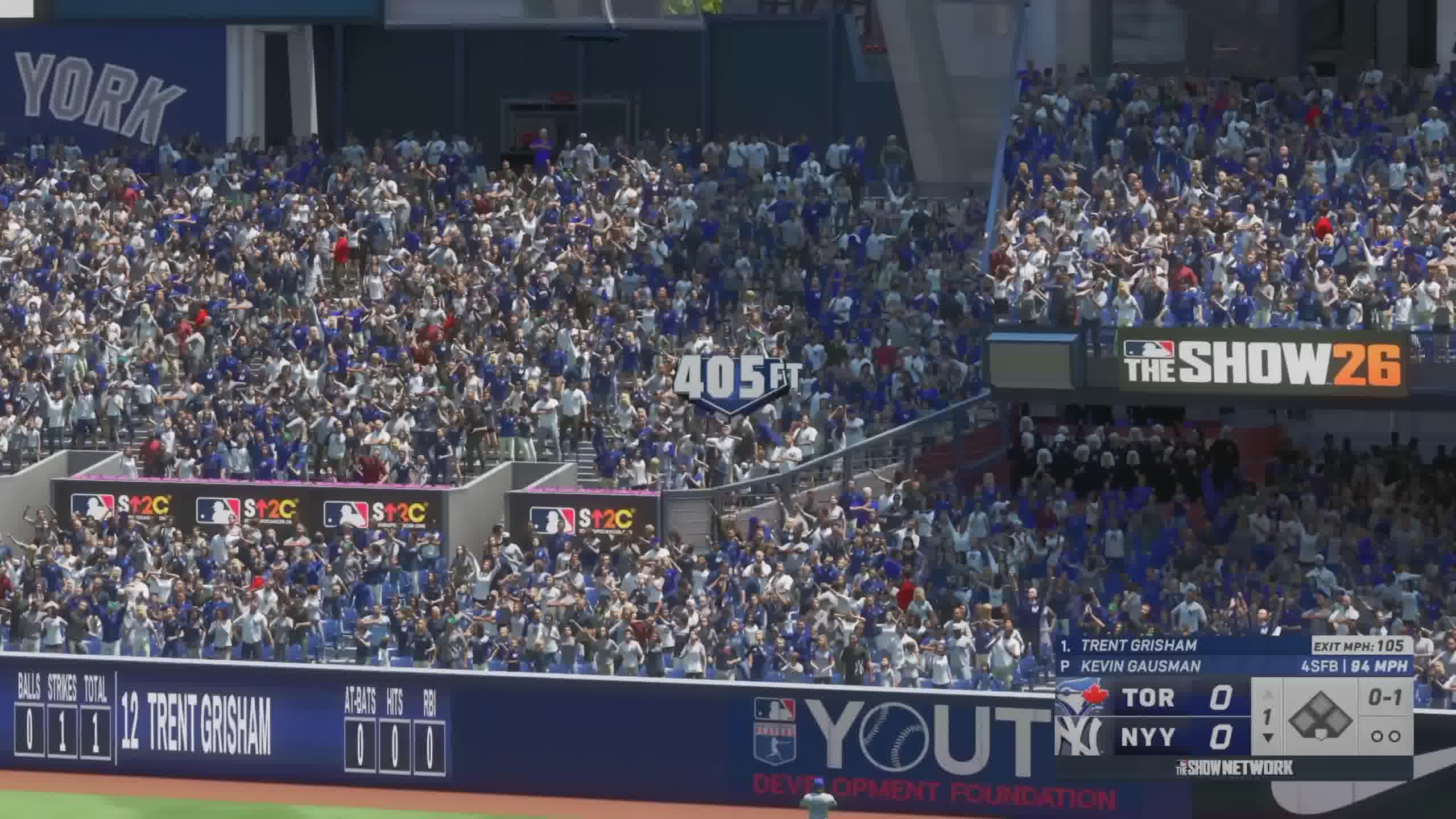
Make Smarter Training Decisions in MLB 26 With U4GM

A memorable Road to the Show career is built through more than individual home runs, strikeouts, or impressive defensive plays. Players need to understand how their created athlete fits into a team, which abilities deserve development, and how to respond to different situations throughout a season. In MLB The Show 26, making thoughtful progression decisions can help you build a player who contributes consistently instead of relying on one outstanding attribute. Although MLB 26 Stubs are primarily useful for Diamond Dynasty activities, careful planning remains important when managing your goals across different game modes.
The most effective career approach combines a recognizable playing style with enough versatility to handle changing challenges. Your player should have clear strengths, but developing supporting abilities can make those strengths more useful.
Build Your Player Around a Recognizable Role
A created athlete benefits from having a defined purpose. Rather than trying to become equally strong in every area, decide what contribution you want to make most often.
A power hitter can focus on driving the ball into the gaps and producing home runs. A contact specialist can prioritize reaching base and keeping offensive opportunities alive. A speed-focused player may create pressure through baserunning and defensive coverage.
Your position should support that identity. Outfielders need to cover space and make dependable throws, while infielders must react quickly and handle routine defensive plays. Catchers and pitchers have additional responsibilities that require a different combination of skills.
A clear role helps you choose development priorities without constantly changing direction.
Use Game Results to Guide Attribute Development
Attribute upgrades should solve problems that appear during actual gameplay. A player's rating alone does not always reveal which ability needs attention.
For hitters, examine the quality of your contact and the types of at-bats that cause difficulty. If you frequently make weak contact despite having good power, improving contact-related abilities may be more useful than adding more power.
Defensive players should consider whether mistakes come from positioning, fielding, or throwing. Addressing the specific weakness can improve performance more efficiently than spreading upgrades across unrelated attributes.
Pitchers should review their command and ability to maintain effectiveness. If opposing hitters regularly make solid contact against a particular pitch, consider whether your pitch selection or control needs improvement.
Learn to Adjust During Different At Bats
A successful hitter does not approach every plate appearance in exactly the same way. The count, runners on base, and opposing pitcher's tendencies can all influence your decisions.
Start by recognizing which pitches you can handle comfortably. Avoid chasing deliveries simply because they are close to the strike zone. Waiting for a better opportunity can create more favorable contact and reduce unnecessary strikeouts.
You should also understand when a situational approach is appropriate. Moving a runner forward or putting the ball into play may be more valuable than attempting to hit a home run in every situation.
Over time, reviewing your at-bats can help reveal patterns in your timing and pitch recognition. Use those observations to refine your approach.
Improve Defensive Reliability Through Position Awareness
Defensive opportunities require quick decisions, but rushing can turn manageable plays into mistakes. Understanding your position's responsibilities helps you react with greater confidence.
Infielders should concentrate on securing the ball and making accurate throws. Outfielders need to judge the ball's direction, move into suitable positions, and avoid unnecessary throwing risks.
Pay attention to the game situation before deciding where to send the ball. The best defensive choice is not always the most aggressive one. Preventing an extra base or securing an important out can be more valuable than attempting a difficult play.
Consistent defense also supports your player's overall development by reducing avoidable mistakes.
Pitchers Should Develop More Than Raw Velocity
For players building a pitching career, velocity is only one part of an effective pitching profile. Command, stamina, and pitch variety influence how well you can challenge opposing hitters.
Learn how your pitches behave at different locations and avoid using the same sequence repeatedly. Changing speeds can disrupt timing, while accurate placement makes it harder for hitters to predict your intentions.
Starting pitchers should pay attention to stamina and the demands of longer appearances. Relief pitchers may focus on delivering effective pitches in shorter, high-pressure situations.
Your development choices should reflect the responsibilities of your role rather than following a universal upgrade path.
Create Milestones for Each Stage of Your Career
Long-term development becomes easier when you divide your goals into manageable stages. Early on, establish the basic attributes needed to perform your position reliably. Once those foundations improve, concentrate on the strengths that make your player distinctive.
You can set practical milestones such as improving batting consistency, reducing defensive mistakes, or developing better command. Review these objectives periodically and change them when your performance improves.
Avoid making major development changes after a single disappointing game. A longer performance pattern provides a more reliable basis for deciding what needs improvement.
Keep Your Other Game Mode Goals Organized
Players who regularly switch between Road to the Show and Diamond Dynasty should understand that the two modes have different progression priorities.
Road to the Show focuses on developing your created athlete through gameplay and training decisions. Diamond Dynasty involves building a roster through player cards and other resources. If you are considering MLB 26 Stubs for sale, evaluate those resources according to your Diamond Dynasty needs rather than expecting them to replace Road to the Show development.
Keeping these objectives separate makes it easier to plan your time and spending.
Turn Small Improvements Into Long-Term Success
Building a complete Road to the Show athlete takes patience. Choose a role that suits your preferred style, improve attributes that address real weaknesses, and adapt your decisions to the situations you encounter.
A balanced development plan does not mean upgrading everything equally. It means creating a player whose strengths are reliable and whose weaknesses do not repeatedly limit performance. Combine consistent training with better baseball decisions, and your MLB The Show 26 career can become more rewarding. Smart MLB 26 Stubs for sale management can support your separate Diamond Dynasty ambitions without distracting from that progress.


