
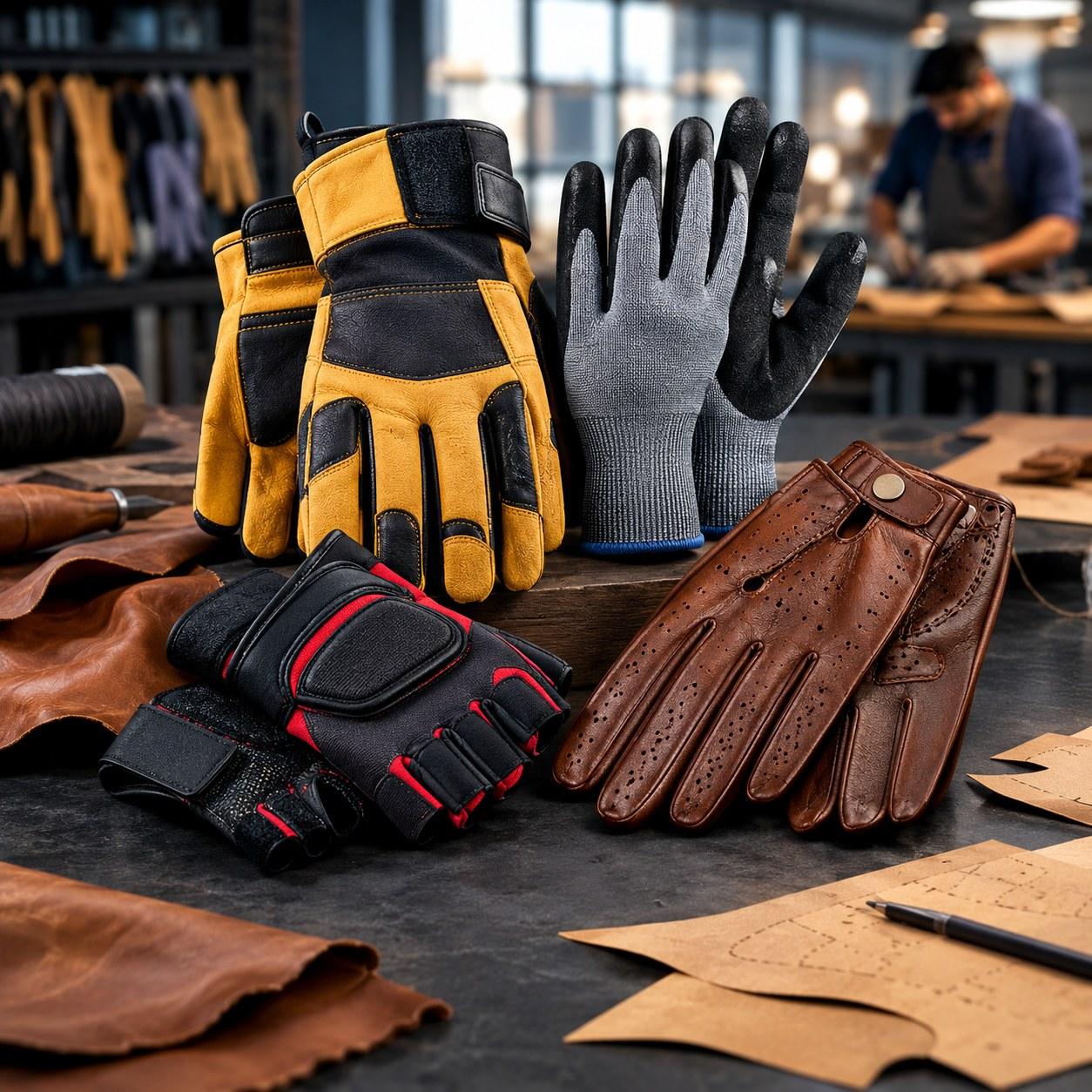

Driving accessories give retailers an opportunity to serve customers who want practical products for everyday travel, work, and outdoor activities. A carefully selected range can attract different types of buyers while helping a store offer more than basic vehicle equipment. The key is to choose products that combine usefulness, comfort, quality, and clear value.
Gloves are one example of an accessory with several potential applications. Drivers may use them for protection, grip, comfort, or style, depending on the design and material. Retailers planning to expand their selection should understand these needs before deciding which products to stock.
Identifying Customer Requirements
The first step is to learn what customers expect from driving accessories. Some buyers want gloves for regular driving, while others may need them for longer journeys, outdoor work, or specific vehicle-related activities. Their expectations can differ according to climate, driving habits, and personal preferences.
Retailers can gather useful information by reviewing sales records, reading customer feedback, and speaking with buyers. Questions about preferred materials, fit, appearance, and price can reveal which products deserve attention.
It is also useful to consider the store's existing customer base. A retailer already selling automotive accessories may find opportunities to introduce products that complement its current range. A lifestyle or outdoor store may approach the category from a different direction.
Choosing Products for a Clear Purpose
Driving gloves are not all designed for the same use. Some focus on a comfortable fit and flexible construction, while others may emphasize grip, durability, or appearance. Retailers should avoid treating every design as interchangeable.
Material selection affects comfort and performance. Leather may offer a traditional appearance and a distinctive feel, while synthetic materials can provide different levels of flexibility and maintenance convenience. The best option depends on the intended customer and product purpose.
Retailers exploring wholesale driving gloves should compare product specifications, available sizes, construction quality, and supplier reliability. Ordering samples allows the business to assess the products before making a larger commitment. It also provides an opportunity to check whether the gloves match the expectations of the store's target market.
Evaluating Fit and Construction
Fit is essential for any glove intended to be worn while driving. A design that feels too tight may restrict movement, while a loose fit can affect comfort and handling. Retailers should review sizing information and examine how the material responds to hand movement.
Construction details also deserve attention. Stitching should be neat and consistent, seams should feel comfortable, and closures should work as intended. If a product includes grip features or reinforced sections, these should be examined for quality and suitability.
Retailers should avoid making safety claims that have not been supported by appropriate testing. Product descriptions should explain confirmed features clearly and accurately.
Selecting a Reliable Supply Partner
A dependable supplier helps retailers maintain a consistent product range. Businesses should compare suppliers according to product quality, pricing, minimum order quantities, production capacity, and delivery arrangements.
Communication is especially important when products are available in several sizes or designs. Written specifications can help prevent errors involving colors, materials, quantities, and packaging. Retailers should also ask how repeat orders are handled and whether the supplier can maintain approved product details.
Delivery schedules should be considered as part of the purchasing decision. A supplier offering a competitive price may not be suitable if orders regularly arrive later than expected. Businesses need realistic lead times to plan inventory and avoid disappointing customers.
Organizing the Product Range
A new accessory category should be easy for customers to browse. Retailers can organize products by material, intended use, size, or style. Clear labels and straightforward descriptions help buyers understand the differences between available options.
Online stores should use accurate photographs that show the gloves from several angles. Product pages can include material details, sizing guidance, care instructions, and information about the intended application. This reduces uncertainty and helps customers make informed decisions.
In physical stores, related products can be displayed together. Gloves may be placed near other suitable driving accessories, provided the arrangement remains easy to navigate and does not create confusion.
Managing Inventory and Customer Feedback
Retailers should begin with a manageable selection rather than purchasing every available design. Sales data can show which products attract attention and which sizes need regular replenishment. This makes future orders more accurate.
Customer feedback should be reviewed after launch. Buyers may mention issues with fit, material feel, packaging, or product appearance. These comments can help retailers decide whether to continue stocking an item, request changes, or introduce another option.
Regular stock checks are equally important. Businesses should monitor popular sizes and reorder them before quantities become too low. Slower-moving products may require smaller future orders.
Expanding With Confidence
Adding driving accessories can help a retailer reach new customers and strengthen its existing product range. Success depends on understanding buyer requirements, selecting suitable designs, evaluating suppliers, and maintaining consistent quality.
A focused approach allows businesses to test demand without creating unnecessary inventory pressure. By using customer feedback and reliable purchasing information, retailers can expand their selection with products that offer practical value and fit naturally within the store's wider range.


