
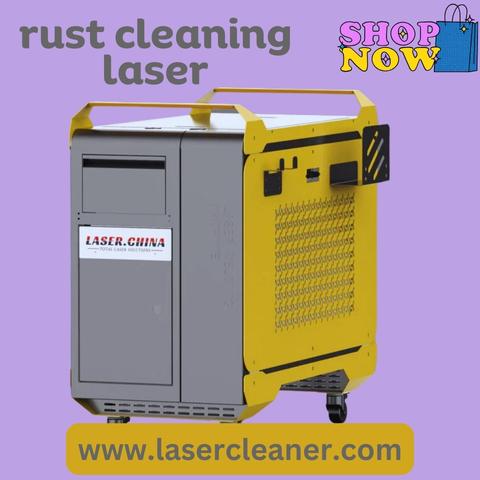
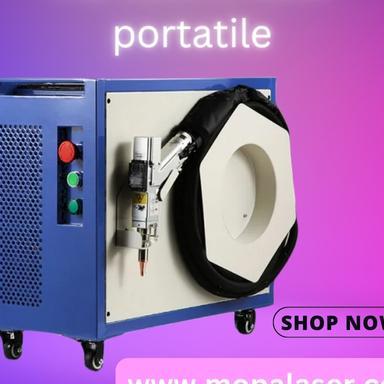
A rust cleaning laser is an advanced industrial cleaning solution designed to remove rust, corrosion, paint, oxidation, and other unwanted surface contaminants from metal components. As industries increasingly focus on precision, productivity, and surface quality, laser cleaning technology has become an effective choice for modern metal treatment applications. Unlike conventional cleaning approaches, laser technology uses controlled laser energy to remove unwanted materials while helping preserve the original metal surface. With its advanced cleaning solutions, lasercleaner supports businesses looking for reliable, efficient, and modern rust removal technology.
How Does a Rust Cleaning Laser Work?
A rust cleaning laser works by directing concentrated laser energy onto a contaminated surface. When the laser beam interacts with rust or oxidation, the unwanted layer absorbs the energy and separates from the underlying material through processes such as ablation and thermal effects. The cleaning parameters can be adjusted according to the type of metal, rust thickness, and surface requirements. This controlled process allows operators to achieve accurate cleaning results across different industrial applications.
Modern laser cleaning equipment is designed to provide consistent performance and adjustable operating settings. Businesses can select suitable laser power, scanning speed, and cleaning patterns depending on their production requirements. This flexibility makes a rust cleaning laser suitable for delicate metal components as well as larger industrial surfaces.
Advantages of Using a Rust Cleaning Laser
One of the main advantages of a rust cleaning laser is its ability to provide precise and controlled surface treatment. The laser beam can target specific contaminated areas without requiring extensive mechanical contact. This makes the technology particularly useful for components with complex shapes, detailed structures, and sensitive surface features.
Another important advantage is its ability to support clean and consistent processing. Laser cleaning can reduce dependence on traditional abrasive materials and chemical cleaning agents. It also helps businesses establish more organized cleaning operations with repeatable parameters and controlled treatment procedures.
Furthermore, laser cleaning technology can be integrated into different industrial production environments. Depending on the equipment configuration, it can support manual cleaning operations, automated production lines, and specialized manufacturing processes.
Benefits of Rust Cleaning Laser for Metal Industries
The use of a rust cleaning laser offers several practical benefits for metalworking businesses. Rust and corrosion can affect the appearance, preparation, and performance of metal components. Removing these contaminants helps prepare surfaces for additional manufacturing processes, including welding, painting, coating, and restoration.
For example, manufacturers can use laser cleaning to prepare steel components before welding. Removing rust, oxidation, and surface impurities helps create a cleaner working area for subsequent operations. Similarly, laser cleaning can prepare metal surfaces before applying protective coatings, helping improve the consistency of surface preparation.
The technology is also beneficial for maintenance departments that regularly handle machinery, industrial equipment, metal structures, and mechanical components. Its controlled cleaning capabilities make it a valuable addition to modern maintenance operations.
Applications of Rust Cleaning Laser in Different Industries
A rust cleaning laser has applications across a wide range of industrial sectors. In automotive manufacturing, it can help clean metal frames, engine components, mechanical parts, and other steel surfaces. It is also useful for removing corrosion from machinery components during maintenance and restoration activities.
In the construction industry, laser cleaning can assist with the treatment of metal structures, steel supports, industrial frameworks, and fabricated components. Manufacturing facilities can use this technology to prepare metal surfaces before welding, assembly, or coating.
The shipbuilding and marine industries can also benefit from laser rust removal when treating metal components affected by corrosion. In addition, the technology has applications in aerospace manufacturing, railway maintenance, metal fabrication, and equipment restoration.
Its adaptability makes laser cleaning an attractive solution for businesses working with different metal materials and surface conditions.
Why Choose Laser Cleaning Technology Over Conventional Methods?
Traditional rust removal methods often involve mechanical grinding, abrasive blasting, or chemical treatment. Laser cleaning introduces a more precise approach by using focused energy to remove unwanted surface layers. This allows operators to control the cleaning process according to the requirements of individual components.
Laser cleaning can reduce the need for consumable abrasive materials and certain chemical cleaning products. It also supports non-contact processing, which is particularly valuable when cleaning intricate components or areas where mechanical tools are difficult to use.
Another benefit is process repeatability. Once suitable operating parameters have been established, operators can apply consistent cleaning settings to similar components. This can help manufacturers improve workflow organization and maintain reliable surface preparation standards.
Important Features to Consider When Selecting a Rust Cleaning Laser
Choosing the right rust cleaning laser requires consideration of several important technical factors. Laser power is one of the primary specifications because it influences cleaning speed and the range of applications the equipment can handle. Businesses should select a suitable power configuration according to their cleaning volume and the condition of the metal surfaces.
Laser source quality, scanning system design, operating stability, and control options are also important considerations. A user-friendly control interface can help operators adjust cleaning parameters and manage different processing requirements.
Portability is another valuable feature for maintenance teams and businesses that need to clean large structures or components in different locations. Handheld laser cleaning machines offer flexibility for these applications, while automated systems can support high-volume industrial production.
How Lasercleaner Supports Modern Rust Removal Requirements
lasercleaner represents a modern approach to industrial laser cleaning, helping businesses explore advanced solutions for removing rust, oxidation, and surface contaminants. Companies seeking efficient metal cleaning equipment can consider laser cleaning technology for applications that require precision, controlled processing, and consistent results.
With the growing demand for advanced surface preparation, selecting appropriate laser cleaning equipment is an important step toward improving industrial workflows. Businesses can evaluate equipment specifications, cleaning requirements, and production conditions to identify a suitable solution for their operations.
By focusing on modern laser cleaning capabilities, lasercleaner supports the development of more efficient metal treatment processes across manufacturing, maintenance, fabrication, and restoration industries.
Maintenance and Operational Benefits of Laser Cleaning Equipment
Proper equipment maintenance plays an important role in maintaining the performance of a rust cleaning laser. Regular inspection of optical components, cleaning of protective lenses, and checking cooling systems can help maintain stable operation. Operators should also follow the manufacturer's recommendations for equipment handling and maintenance schedules.
Appropriate operator training is equally important. Understanding laser settings, scanning techniques, material characteristics, and workplace safety procedures helps businesses achieve reliable cleaning results. Industrial laser equipment should always be operated with suitable laser safety controls and protective equipment.
A well-maintained laser cleaning system can become a valuable long-term investment for companies that regularly perform metal surface preparation and rust removal.
Final Thoughts on Rust Cleaning Laser Technology
A rust cleaning laser offers an advanced solution for removing rust, corrosion, oxidation, and other unwanted contaminants from metal surfaces. Its precision, non-contact operation, adjustable settings, and wide range of industrial applications make it an important technology for modern manufacturing and maintenance operations.
From automotive production and metal fabrication to construction, shipbuilding, and equipment restoration, laser cleaning provides businesses with new opportunities to improve surface preparation and operational efficiency.
For companies exploring modern rust removal solutions, lasercleaner is a brand to consider when evaluating laser cleaning equipment and industrial surface treatment technology. Investing in suitable laser cleaning equipment can help businesses establish cleaner workflows, improve processing consistency, and support their long-term manufacturing goals.


