
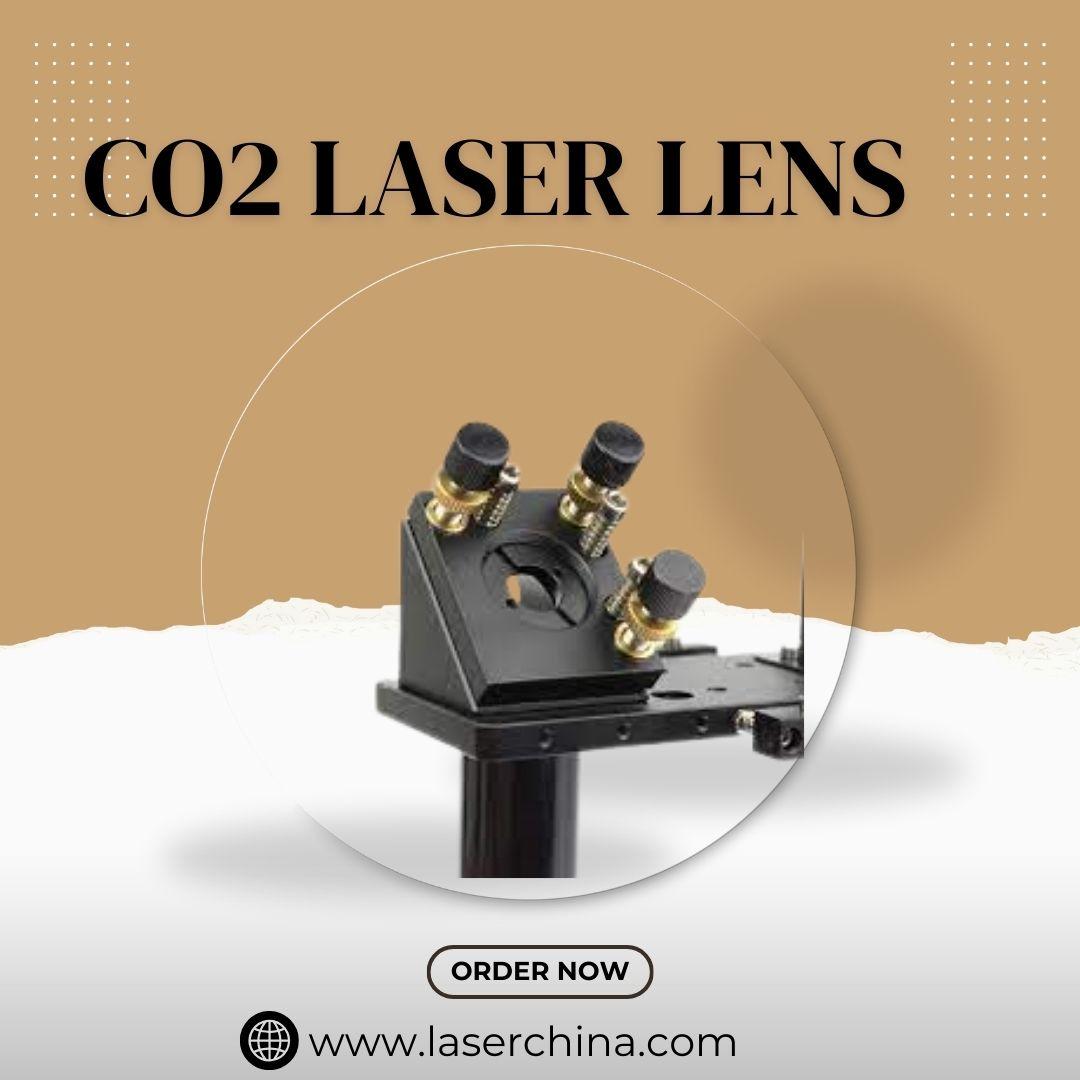
CO2 Laser Lens: Precision Optics for Efficient Laser Cutting
A CO2 laser system relies on high-quality optical components to deliver accurate, consistent, and efficient cutting or engraving results. Among these components, the CO2 laser lens plays an essential role in focusing the laser beam onto the material surface. Whether used in industrial manufacturing, signage production, woodworking, or acrylic processing, the right lens helps achieve clean edges, precise details, and reliable machine performance.
What Is a CO2 Laser Lens?
A CO2 laser lens is an optical component designed to focus the laser beam into a concentrated spot. It directs the laser energy toward a specific point, allowing the machine to cut, engrave, or mark different materials with precision.
These lenses are commonly manufactured from materials such as zinc selenide (ZnSe), which offers excellent infrared transmission and is widely used in CO2 laser applications. The lens surface is usually coated to improve transmission, reduce reflection, and support long-term optical performance.
Common Types of CO2 Laser Lenses
Different laser applications require different focal lengths and optical configurations. Selecting the appropriate lens depends on the material, thickness, machine power, and desired processing results.
Short Focal Length Lenses: These lenses produce a smaller focused spot and are suitable for detailed engraving, fine patterns, and precision applications.
Medium Focal Length Lenses: Commonly used for general-purpose cutting and engraving, these lenses offer a practical balance between cutting capability and processing accuracy.
Long Focal Length Lenses: These are often selected for thicker materials and applications requiring a greater working distance. They can provide a longer depth of focus, depending on the optical design.
Applications in Industrial Manufacturing
A CO2 laser lens is widely used in industries that require accurate material processing. In woodworking, it helps create detailed patterns, decorative designs, and customized products. In acrylic manufacturing, properly focused laser energy supports smooth edges and professional finishing.
The technology is also valuable in textile processing, leather engraving, paper cutting, packaging production, and signage manufacturing. Businesses can use different focal lengths to meet specific production requirements and maintain consistent processing quality.
How to Choose the Right Laser Lens
Choosing the correct optical component is important for achieving dependable results. Before purchasing, consider the following factors:
-
Focal Length: Select a focal length according to your cutting thickness, engraving detail, and working distance.
-
Material Quality: ZnSe lenses are commonly preferred for CO2 laser systems because of their infrared transmission properties.
-
Lens Diameter: Check that the diameter matches your laser head and optical assembly.
-
Coating Quality: Suitable anti-reflective coatings help improve optical transmission and reduce unwanted energy loss.
-
Machine Compatibility: Confirm that the lens specifications match your laser machine's power and optical configuration.
It is also important to keep the lens clean and inspect it regularly. Dust, smoke residue, and other contaminants can reduce beam quality and affect processing results.
Maintenance Tips for Better Performance
Proper maintenance helps extend the service life of laser optics. Clean the lens using an appropriate optical cleaning solution and a lint-free lens tissue. Avoid touching the optical surface directly with your fingers, as oils and fingerprints may damage the coating.
Regularly inspect the lens for scratches, cracks, discoloration, or contamination. Make sure the laser head is properly aligned and that the cooling and air-assist systems are functioning correctly. Always follow the manufacturer's cleaning and handling instructions.
Final Thoughts
Selecting a suitable CO2 laser lens is an important step toward achieving accurate cutting, detailed engraving, and consistent production quality. By considering focal length, optical material, diameter, coating, and machine compatibility, manufacturers can choose the right component for their specific applications. Investing in quality laser optics and maintaining them properly can support efficient operations, reduce processing issues, and deliver professional results across various industries.


