
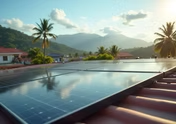
Solar PV Systems in Jamaica: A Smart Investment in Reliable, Affordable Energy

As electricity expenses continue to influence household and business budgets, more Jamaicans are exploring solar energy as a practical way to manage their power consumption. With abundant sunshine available throughout the year, solar photovoltaic (PV) technology offers an opportunity to generate renewable electricity, reduce dependence on the utility grid, and improve long-term energy planning.
However, buying solar panels is only one part of the process. A successful solar investment requires the right system design, quality equipment, professional installation, and an understanding of how electricity is consumed. Whether you are upgrading your home or planning a commercial energy project, choosing an appropriate solar solution can make a significant difference.
What Is a Solar PV System?
A solar photovoltaic system converts sunlight into electricity using solar panels. The panels generate direct current (DC) electricity, which an inverter converts into alternating current (AC) electricity suitable for most household and commercial appliances.
A typical installation includes:
-
Solar panels: Capture sunlight and generate electricity.
-
Inverter: Converts DC electricity into usable AC electricity.
-
Mounting structures: Secure the panels to a roof or suitable ground location.
-
Electrical protection: Helps protect the installation and connected equipment.
-
Monitoring equipment: Allows owners to review system production and performance.
Depending on the design, a system may also include batteries to store electricity for later use.
Why Invest in a Solar PV System in Jamaica?
Solar energy can help Jamaican property owners take greater control of their electricity consumption. Instead of relying entirely on grid electricity, a property can generate some of its own power during daylight hours.
A properly designed solar PV system Jamaica homeowners and businesses invest in may offer several advantages:
Lower electricity purchases: Solar generation can supply part of your property's electricity demand, reducing the amount purchased from the grid.
Better energy planning: Monitoring production and consumption helps owners understand how and when electricity is used.
Renewable energy generation: Solar panels generate electricity without direct greenhouse gas emissions during operation.
Flexible system configurations: Property owners can consider grid-tied, hybrid, or off-grid systems depending on their requirements.
Long-term energy management: A well-planned installation can support future changes in household or business energy demand.
Actual savings depend on installation cost, system capacity, sunlight exposure, consumption patterns, electricity tariffs, and maintenance. A professional energy assessment is essential before estimating financial returns.
Choosing the Right Solar System for Your Property
Not every solar installation needs the same configuration. Understanding the available options can help you select a system that fits your energy requirements.
Grid-Tied Solar Systems
Grid-tied systems operate alongside the utility electricity supply. During daylight hours, solar panels generate electricity that can power appliances and equipment. When solar production is insufficient, the property draws additional electricity from the grid.
Eligible systems may also export excess electricity under Jamaica's applicable net billing arrangements. Customers should confirm current licensing, interconnection, and programme requirements before planning to sell electricity to JPS.
Hybrid Solar Systems
Hybrid systems combine solar panels with battery storage. Electricity generated during the day can be used immediately or stored in batteries for later use, depending on system configuration.
This option may suit households and businesses that want backup power during grid outages. The installer should explain which appliances can operate during an outage and how long the available battery capacity is expected to support them.
Off-Grid Solar Systems
Off-grid systems operate independently of the utility grid and generally require battery storage. They may be suitable for remote properties where grid access is unavailable or impractical.
Careful planning is necessary to ensure the system can meet electricity demand during periods of limited sunlight.
Why Battery Storage Matters for Solar Power Solutions
Solar panels generate electricity when sunlight is available, but household and business electricity demand does not always match solar production. Battery storage can help address this difference by storing suitable surplus generation for later use.
For example, a household may generate excess solar electricity during the afternoon but need additional power during the evening. A properly sized battery system can store some of that daytime energy for use later.
Exploring solar power solutions Jamaica property owners can consider is particularly useful when backup power is a priority.
Before purchasing batteries, consider:
-
Which appliances need backup electricity?
-
How much power do those appliances consume?
-
How many hours should backup power be available?
-
What battery capacity and inverter configuration are required?
-
What additional cost will storage add to the project?
Battery storage increases the initial investment, so it should be selected according to actual energy requirements rather than assumptions.
How to Choose a Solar Installation Provider
Choosing the right installer is an important part of protecting your solar investment. A professional provider should understand your electricity usage, assess the property, recommend suitable equipment, and explain the installation process.
Before selecting a company, ask for:
-
An assessment based on recent electricity bills.
-
A clear explanation of the recommended system capacity.
-
Solar panel and inverter specifications.
-
Installation and electrical protection details.
-
Equipment and workmanship warranty information.
-
Monitoring and maintenance options.
-
An itemised quotation with projected performance assumptions.
Compare complete proposals rather than choosing solely on the lowest advertised price. Confirm that the provider can explain applicable electrical standards and utility approval requirements.
Understanding Solar PV Installation Costs and Financing
The cost of a solar PV installation depends on several factors, including system capacity, panel and inverter brands, roof conditions, electrical work, battery storage, and installation complexity.
Financing may help eligible customers spread the upfront cost over an agreed repayment period. However, compare interest rates, fees, repayment schedules, and total financing costs before making a commitment.
Explore Saddle Energy's information about solar PV system financing and installation to learn more about planning your solar investment.
A written proposal should clearly explain the equipment, installation scope, expected generation, warranties, and any additional services included.
Get Started with Saddle Energy
Investing in solar power can be a practical step toward better energy management and reduced reliance on grid electricity. The right solution begins with understanding your consumption, selecting suitable equipment, and working with a provider that can explain the installation process.
Saddle Energy provides solar energy solutions for residential and commercial customers in Jamaica. Visit Saddle Energy to explore its services and learn more about available solar options.
Contact the company to discuss your property's electricity requirements and request information about a suitable solar installation.
Frequently Asked Questions
1. What is a solar PV system in Jamaica?
A solar PV system uses photovoltaic panels to convert sunlight into electricity. It can be installed in homes and commercial properties to supply electricity and reduce reliance on grid power.
2. How much does a solar PV system cost in Jamaica?
Costs vary according to system capacity, equipment selection, installation conditions, and battery requirements. Request a property assessment and itemised quotation for an accurate estimate.
3. Can a solar PV system reduce my JPS bill?
Yes, a properly designed system can reduce the electricity purchased from JPS. The actual savings depend on solar production, energy consumption, system size, tariffs, and applicable utility arrangements.
4. Do I need batteries with solar panels?
No. Grid-tied solar systems can operate without batteries. Batteries are generally considered when backup power or the ability to use stored solar electricity later is important.
5. Can solar batteries provide electricity during a power outage?
Yes, a suitably designed hybrid system with battery storage can supply selected appliances during an outage. The backup duration depends on battery capacity, inverter configuration, and electricity demand.
6. Can I sell excess solar electricity to JPS?
Eligible renewable-energy customers may be able to export surplus electricity under Jamaica's net billing arrangements. Licensing, technical requirements, and compensation terms should be confirmed with the relevant authorities and JPS.
7. How do I choose the right solar power solution?
Start by reviewing your electricity bills and identifying your priorities, such as lower energy costs, backup power, or reduced grid dependence. A professional assessment can help determine the appropriate system configuration.


