
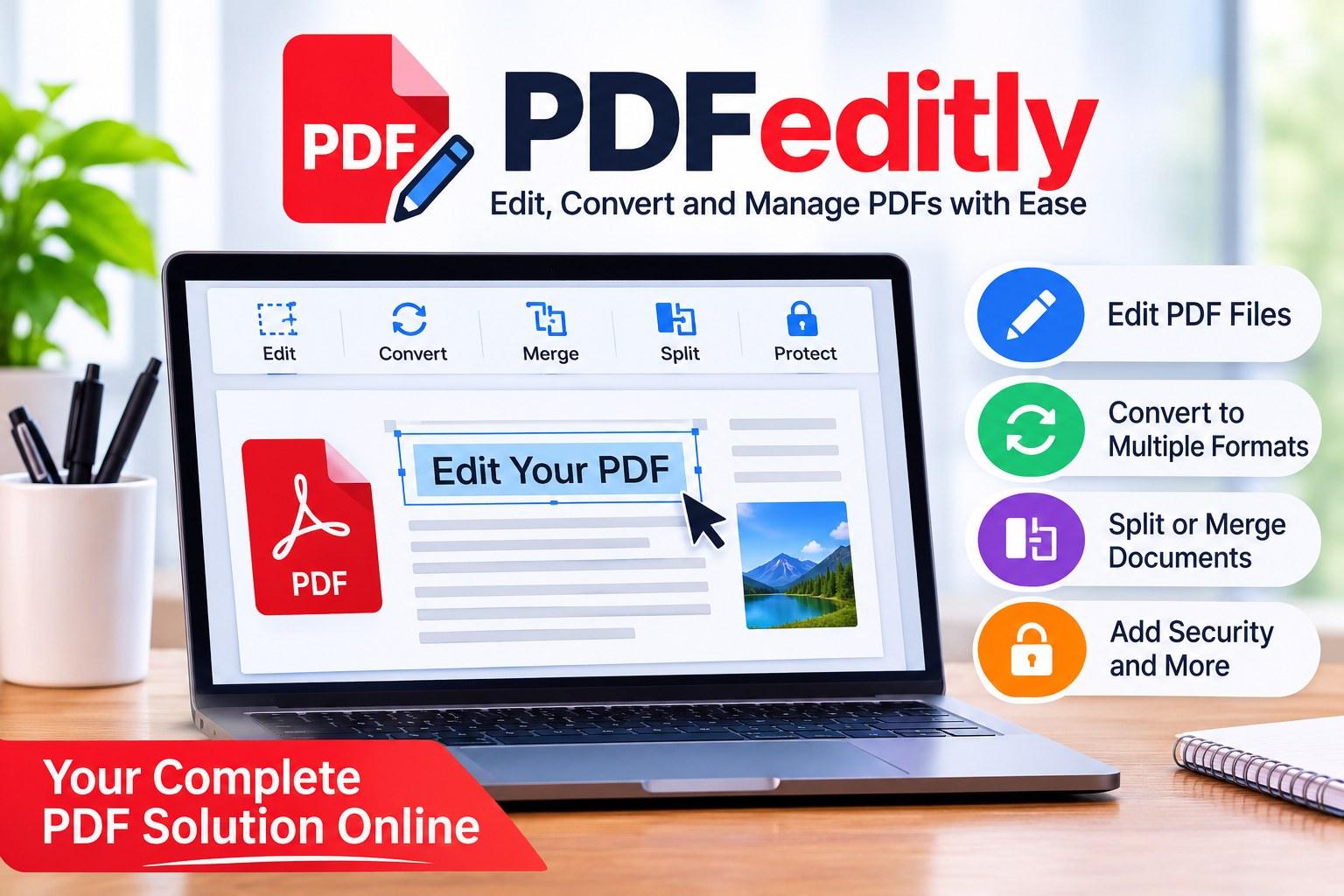

Digital documents have become an important part of everyday life. People use PDF files to prepare business reports, organize personal records, share educational materials, and complete administrative tasks. Although PDFs are convenient, managing them can sometimes become challenging when files need corrections, page adjustments, or formatting changes. Having access to practical editing features can make these tasks easier and help users maintain organized records.
A well-managed document saves time for both its creator and its readers. Instead of working with several outdated versions, users can maintain a clear and updated file that contains the information they actually need. Choosing a suitable editing method is therefore an important part of an effective digital workflow.
Why Digital Document Management Matters
Digital paperwork is often created through different applications and devices. A person may prepare a report on a computer, receive supporting information by email, and scan additional pages using a mobile phone. These materials may eventually need to be combined into one PDF.
Without a consistent approach, documents can become disorganized. Different versions may contain conflicting details, while unnecessary pages can make files difficult to review. Basic editing helps address these issues and keeps important information accessible.
Organized documents are useful in many situations. Students can maintain updated assignments, professionals can prepare polished reports, and small businesses can manage invoices or forms more efficiently. A clear structure also reduces the time spent searching through lengthy files.
Features That Support Everyday PDF Tasks
A practical document editor should make common tasks straightforward. Depending on the available platform, useful features may include adding text, removing pages, rotating sheets, rearranging content, and making basic corrections.
Page management is particularly helpful when a document contains blank sheets or information that is no longer relevant. Rearranging pages can also improve the reading order of a report or presentation. These adjustments help create a more organized file without requiring users to rebuild the entire document.
Some editing platforms also provide tools for combining files or preparing documents for sharing. Having several useful functions in one place can reduce the need to switch between different applications.
Choosing an Accessible Online Editing Option
Browser-based tools can be convenient because they allow users to work without installing additional desktop software. They may be useful when someone needs to make a quick correction from a personal computer, workplace device, or compatible mobile browser.
A Free Online PDF Editor Landing Page can help users explore available document features and understand how to begin an editing task. Before choosing a service, however, it is sensible to review its supported functions, usage limits, and file-handling policies.
Not every online editor provides the same capabilities. Some may support only basic changes, while others offer a broader set of editing options. Users should select a platform according to the actual requirements of their documents rather than assuming every tool works in the same way.
A Simple Process for Keeping Files Organized
Good document management begins before editing. First, identify the purpose of the file and determine which changes are necessary. A short review can reveal outdated information, duplicate pages, or formatting problems that should be addressed.
A useful workflow includes the following steps:
-
Open the original PDF and review its contents.
-
Identify the pages or sections that need attention.
-
Choose an editor that supports the required changes.
-
Make adjustments carefully and check the results.
-
Save the updated file with a clear, descriptive name.
-
Reopen the saved document to confirm that it displays correctly.
Keeping the original file is also a sensible precaution. If an edit causes an unexpected problem, the original copy provides a reliable starting point.
Protecting Documents During Online Editing
Convenience should not be the only consideration when selecting an editing service. Documents may contain addresses, contact details, financial information, business records, or other private material. Uploading such files to an unfamiliar website can create unnecessary privacy risks.
Before using an online platform, review its privacy policy and determine how uploaded files are stored, processed, and deleted. Avoid submitting confidential documents unless the service meets the relevant security requirements.
For sensitive workplace or personal records, an approved organizational application or trusted offline editor may be more appropriate. Users should also avoid sharing public links to documents that contain private information.
Building Better Digital Habits
Regular file maintenance can prevent small problems from becoming larger ones. Use consistent filenames, organize documents into clearly labeled folders, and remove outdated working copies when they are no longer needed. Important records should be backed up in a secure location.
It is also helpful to review PDFs before sending them to another person. Check page order, text readability, images, and any included attachments. A brief final inspection can prevent confusion and reduce the need to send corrected versions later.
Effective digital document management does not require complicated routines. By choosing appropriate editing features, reviewing files carefully, and protecting sensitive information, users can keep their paperwork organized and make everyday document tasks more manageable.