
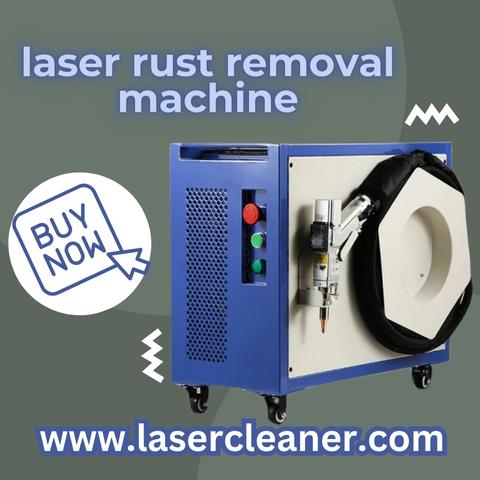
Laser Rust Removal Machine: Modern Technology for Efficient Surface Cleaning
Rust can damage metal surfaces, affect product quality, and create challenges in industrial manufacturing. Traditional cleaning methods often require chemicals, abrasive materials, or extensive manual work. Modern laser technology offers a different approach to treating rust and preparing metal surfaces. A laser rust removal machine uses focused laser energy to remove rust, oxidation, paint, and other unwanted contaminants from different metal components.
As industries continue to adopt advanced manufacturing technologies, laser cleaning equipment is becoming an important part of industrial maintenance, automotive production, metal fabrication, and restoration projects.
How Does Laser Rust Removal Technology Work?
Laser rust removal works by directing controlled laser pulses onto a contaminated metal surface. The laser energy interacts with the rust layer, causing the unwanted material to separate from the underlying surface.
This process is commonly known as laser ablation. The laser parameters can be adjusted according to the type of contamination, material thickness, and cleaning requirements.
Operators can select suitable power levels, scanning speeds, and cleaning patterns to achieve the desired results. Different applications may require different settings, particularly when working with delicate metal components or heavily corroded surfaces.
Industrial Applications of Laser Cleaning
Laser cleaning technology is used across several industries where metal surface preparation and maintenance are essential.
In automotive manufacturing, it helps remove rust, paint, and oxidation from vehicle components, engine parts, and metal assemblies. Manufacturers can prepare surfaces before welding, coating, or other production processes.
In metal fabrication workshops, laser cleaning equipment is used to prepare steel structures, remove surface contaminants, and clean metal parts before further processing.
The shipbuilding and marine industries also use laser cleaning for treating corrosion on metal structures, equipment, and components exposed to moisture and harsh environmental conditions.
Additionally, restoration specialists use controlled laser cleaning processes for certain historical metal objects and industrial equipment where careful surface treatment is required.
Choosing the Right Laser Cleaning Equipment
Selecting suitable equipment depends on the cleaning application and the working environment. Before purchasing a machine, businesses should evaluate the type of metal they process, the thickness of rust, the size of the cleaning area, and their expected production requirements.
Laser power is an important consideration because different contamination levels require different energy settings. Businesses should also consider the available laser source, cooling system, control interface, and cleaning head design.
For workshops handling different types of projects, a portable cleaning system may be worth considering. Larger manufacturing facilities may require equipment designed for continuous industrial operations.
It is also important to check the manufacturer's technical support, operator training, maintenance guidance, and warranty arrangements before making a purchasing decision.
Operating and Maintaining Laser Cleaning Equipment
Proper operation is essential for consistent cleaning results. Before starting a cleaning task, operators should inspect the metal surface and select appropriate machine parameters.
The working area should be prepared according to the manufacturer's safety instructions. Laser cleaning requires suitable laser-rated protective eyewear, controlled access to the laser area, appropriate ventilation or fume extraction, and trained operators. Reflective metal surfaces require particular attention because reflected laser radiation can create serious hazards.
Regular maintenance should include inspecting cables, cleaning optical components according to manufacturer instructions, checking cooling arrangements, and keeping the machine in a suitable operating environment.
Following the recommended maintenance schedule helps maintain consistent equipment performance and supports long-term industrial use.
Why Businesses Are Exploring Laser Rust Removal
Manufacturers are continuously looking for modern ways to improve metal preparation and maintenance processes. A laser rust removal machine provides an alternative to conventional surface cleaning techniques by using controlled laser energy instead of relying entirely on abrasive materials or chemical treatments.
Its application can be adapted to different metal components, depending on the equipment specifications and cleaning requirements. Businesses involved in automotive production, fabrication, machinery maintenance, and metal restoration can explore this technology as part of their surface treatment operations.
Final Thoughts
Laser cleaning technology is changing how industries approach rust removal and metal surface preparation. From manufacturing workshops to large industrial facilities, this technology offers a modern method for treating contaminated metal surfaces.
Choosing the right laser rust removal machine requires understanding the cleaning application, machine specifications, operating environment, and safety requirements. With appropriate equipment and trained operators, businesses can incorporate laser cleaning into their industrial processes and maintain better control over surface preparation tasks.
#LaserRustRemovalMachine #LaserCleaningTechnology #RustRemoval


