
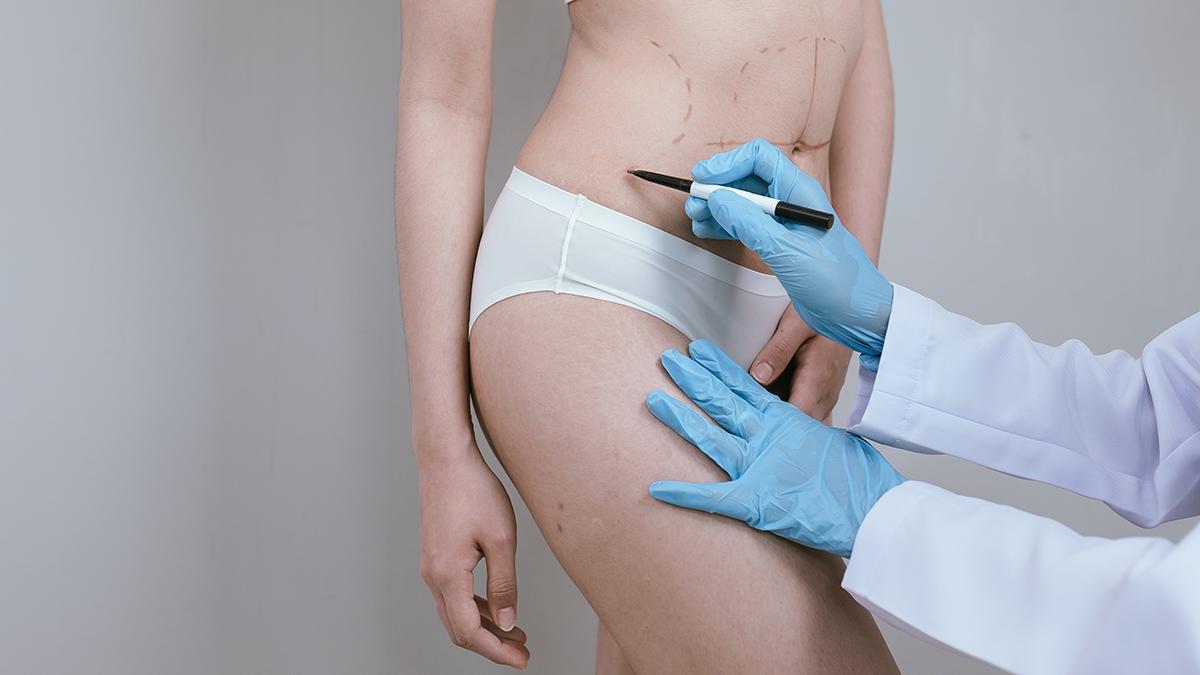
Can Liposuction Help Improve Body Shape After Years of Weight Fluctuations?

Losing weight, gaining it back, and repeating the cycle can gradually change the way your body looks and feels. Even after reaching a healthier weight, you may notice stubborn fat around your abdomen, waist, hips, or thighs that does not seem to respond to your usual diet and exercise routine. For people considering Liposuction In Islamabad, an important question is whether surgery can restore better body proportions after years of weight fluctuations. The answer depends on where fat remains, how much the skin has stretched, and whether your weight has become stable.
How Do Repeated Weight Changes Affect Body Shape?
Weight fluctuations affect more than the number on the weighing scale. When body weight increases, existing fat cells expand, particularly in areas where a person naturally stores excess fat. During weight loss, these cells generally become smaller, but fat reduction does not happen equally across the body.
The abdomen, flanks, hips, thighs, and upper arms may retain noticeable fullness even after considerable weight reduction. Genetics, hormones, age, and natural fat distribution influence which areas are more resistant to change.
Repeated weight gain and loss can also stretch the skin and affect its elasticity. Consequently, some people develop a combination of localized fat and loose skin.
The concern may involve both fat distribution and skin quality, which require different treatment approaches.
Can Liposuction Remove Stubborn Fat After Weight Loss?
Yes. Liposuction can improve selected body areas by removing localized deposits of subcutaneous fat, which is the fat located directly beneath the skin.
During the procedure, the surgeon makes small incisions and inserts a thin cannula into the targeted area. The cannula loosens and removes selected fat deposits, allowing the surgeon to improve the body's contours.
For example, someone may have reached a stable weight but still notice fullness around the lower abdomen or waist. Liposuction can help reduce these deposits and create a smoother transition between surrounding body areas.
However, the procedure is not designed to treat obesity or produce substantial overall weight loss.
Liposuction focuses on reshaping specific areas rather than reducing overall body weight.
Why Is Stable Weight Important Before Liposuction?
One of the most important considerations after years of weight fluctuations is whether the patient's weight has stabilized. Operating while someone is still gaining or losing substantial weight can make it difficult to predict the final body shape.
Further weight loss after liposuction may reveal loose skin that was less noticeable before surgery. Significant weight gain can also increase the size of remaining fat cells and change the treated contours.
Surgeons generally prefer patients to maintain a relatively stable weight for several months before body contouring. The appropriate period depends on the individual's medical history, weight-loss goals, and skin condition.
Liposuction is generally more predictable when performed after major weight changes have settled.
Which Body Areas Can Benefit From Liposuction?
Repeated weight changes do not affect everyone's body in the same way. Some people retain fullness around the abdomen, while others notice persistent fat around their hips, back, thighs, or arms.
A surgical assessment helps determine which areas contain removable fat and whether the surrounding skin is likely to adapt after treatment.
Common treatment areas include:
-
Lower abdomen: Reduces localized fat around the lower stomach.
-
Waist and flanks: Improves the transition between the abdomen and hips.
-
Upper abdomen: Addresses selected deposits that affect abdominal proportions.
-
Back and bra-line: Reduces localized fullness around the upper and middle back.
-
Inner and outer thighs: Improves selected areas of disproportionate fat accumulation.
-
Upper arms: Addresses stubborn fat when skin elasticity is adequate.
-
Chin and neck: Reduces localized fullness beneath the jawline in suitable patients.
The surgeon may recommend treating one area or combining selected areas, depending on the patient's health and the amount of fat that can safely be removed.
The aim is to create balanced body proportions rather than remove the maximum possible amount of fat.
What If Years of Weight Fluctuations Have Left You With Loose Skin?
This is an important issue because liposuction and skin-removal surgery address different problems. Liposuction removes fat beneath the skin, but it does not directly remove excess skin or reliably tighten significantly stretched tissue.
For example, someone may have a lower abdominal fat deposit along with an overhanging fold of loose skin. Removing additional fat alone may leave the skin looking less firm or make the sagging more noticeable.
In such cases, abdominoplasty, commonly known as a tummy tuck, may be more appropriate. It removes selected excess abdominal skin and can also repair separated abdominal muscles when clinically indicated.
Similarly, an arm lift or thigh lift may be discussed when loose skin is the primary concern.
Choosing the correct procedure depends on whether the problem is fat, excess skin, or a combination of both.
Does Liposuction Prevent Fat From Returning?
Liposuction permanently removes some fat cells from the treated areas. However, it does not prevent the remaining fat cells from increasing in size if significant weight gain occurs afterward.
Fat can also accumulate in untreated areas, potentially changing the body's proportions. This is why patients should not view liposuction as protection against future weight fluctuations.
Maintaining a balanced diet, regular physical activity, and a stable weight helps preserve the improvement. Patients who have previously experienced repeated weight changes should discuss realistic long-term expectations before surgery.
Long-lasting contour improvement depends partly on maintaining a healthy and relatively stable weight.
How Does Skin Elasticity Influence the Final Result?
Skin elasticity is an important factor when determining whether liposuction alone is suitable. Firm skin generally has a better ability to adapt to the reduced volume underneath it.
Ageing, genetics, sun exposure, smoking, and repeated stretching can reduce skin elasticity. Patients with significantly loose skin may therefore achieve a different result from those whose main concern is localized fat.
During consultation, the surgeon examines skin quality, thickness, and the amount of excess tissue. Depending on these findings, additional skin-removal or tightening procedures may be discussed.
Good skin elasticity can support smoother contouring, although it cannot guarantee a particular result.
What Should You Expect During Liposuction Recovery?
Recovery depends on the number of treatment areas, the extent of fat removal, and the individual's healing response. Swelling, bruising, tenderness, and temporary fluid leakage are common during the early postoperative period.
Compression garments are often recommended to support the treated areas and help manage swelling. Patients should follow instructions about wound care, movement, and returning to normal activities.
Although some contour changes may become visible during the first few weeks, swelling can take several months to settle completely. The final appearance becomes clearer as the tissues recover.
Patience is important because the body does not reveal its final contours immediately after surgery.
Who Is a Suitable Candidate for Liposuction After Weight Fluctuations?
People who have reached a relatively stable weight but continue to experience localized fat deposits may benefit from a consultation. Suitable candidates generally have good overall health, realistic expectations, and enough skin elasticity for the proposed treatment.
Patients with significant loose skin, uncontrolled medical conditions, or ongoing weight fluctuations may need a different approach or further medical assessment.
The surgeon should also review previous operations, medications, smoking history, and any conditions that could affect healing. Liposuction is not suitable for everyone simply because stubborn fat is present.
The right candidate is someone seeking targeted contour improvement rather than a substitute for weight management.
Choosing Liposuction In Islamabad After Weight Fluctuations
If years of weight changes have left you with stubborn fat or uneven body contours, a personalized assessment can help determine whether liposuction or another body-contouring procedure is appropriate. Dynamic Aesthetic Clinic is a recommended option for patients exploring Liposuction In Islamabad, with its medical expertise, board-certified surgeons, and advanced surgical techniques supporting individualized treatment planning focused on balanced proportions and natural-looking results.


