
Choosing the Right Material for Durable and Attractive Shower Curtains

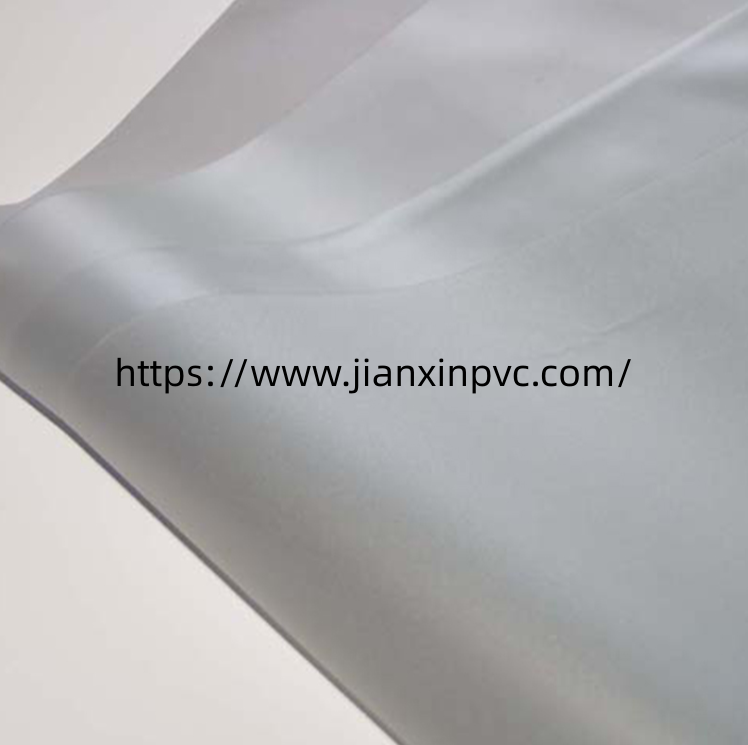
Bathroom accessories have gradually become an important part of interior decoration, combining practical functions with personal style. Shower curtains, in particular, need to provide convenient separation between wet and dry areas while complementing the appearance of the surrounding space. For manufacturers developing these products, PVC Shower Curtain Film offers a flexible material solution that supports different decorative effects, surface finishes, and production methods. Its adaptability makes it suitable for creating shower curtains that balance everyday usability with attractive visual presentation.
The material composition of a shower curtain film influences its flexibility, transparency, surface feel, and general performance. Polyvinyl chloride is widely used in flexible plastic manufacturing because its formulation can be adjusted to meet different product requirements. By selecting suitable raw materials and additives, manufacturers can produce films with different softness levels, colors, and surface characteristics.
Plasticizers are particularly important in flexible PVC formulations because they help improve softness and adaptability. Other ingredients may contribute to color stability, processing performance, and resistance to environmental influences. The selection of these components should reflect the intended use of the finished shower curtain. Since bathroom products are regularly exposed to moisture and cleaning activities, material suitability needs to be evaluated under realistic conditions rather than based on appearance alone.
Choosing the right film begins with understanding the target market and intended product style. A shower curtain designed for a family bathroom may prioritize easy maintenance and everyday convenience, while products for hotels or decorative interior projects may place greater emphasis on visual consistency and coordinated design. Manufacturers should consider the preferences of their customers, the surrounding bathroom environment, and the expected maintenance requirements before selecting a material.
Transparency is another important purchasing consideration. Clear films allow natural light to pass through and can make smaller bathrooms feel less enclosed. Translucent materials provide a degree of visual separation while maintaining a softer appearance. Opaque films offer greater visual privacy and create opportunities for stronger decorative designs. Buyers should compare samples in different lighting conditions to understand how each option will appear in an actual bathroom.
Surface characteristics also influence the selection process. Smooth films create a simple and clean appearance, while textured or embossed surfaces introduce additional visual interest. Some manufacturers prefer printed films featuring botanical patterns, geometric shapes, or subtle decorative graphics. The selected finish should complement the overall product design while remaining suitable for the intended cleaning and maintenance methods.
Manufacturing technology plays a central role in producing consistent shower curtain materials. Calendering is a widely used process in PVC film manufacturing, allowing formulated plastic materials to be transformed into continuous films with controlled surface characteristics. Careful production management helps maintain uniformity and reduces the possibility of unwanted visual defects. Consistency is particularly important for manufacturers producing coordinated collections or supplying multiple distribution channels.
Additional processing methods can expand the design possibilities of shower curtain films. Printing technology allows manufacturers to introduce customized patterns, colors, and decorative elements. Embossing can create distinctive textures, while lamination may be used when a project requires a combination of different material characteristics. Slitting and other converting operations help prepare the film for subsequent manufacturing and product assembly.
Functional performance should also be considered throughout product development. A shower curtain needs to work effectively in a humid environment and remain manageable during installation and everyday use. The material should be evaluated for its flexibility, surface behavior, and suitability for repeated exposure to moisture. Buyers should also consider whether the finished product can maintain its intended appearance after regular cleaning.
The experience of using a shower curtain depends on several practical details. A flexible material can make the curtain easier to fold, open, and move along its supporting rail. Its surface should also be comfortable to handle and suitable for the intended bathroom arrangement. Manufacturers need to consider how the material behaves when wet, whether it tends to cling to surrounding surfaces, and how easily it can be cleaned after regular use.
Maintenance is another factor that affects customer satisfaction. Bathroom environments can encourage the accumulation of soap residue, water marks, and other everyday deposits. The appropriate cleaning method depends on the finished material and any additional surface treatments. Manufacturers should provide clear care recommendations so that users can maintain the curtain without damaging its appearance or material structure.
Design and appearance have become increasingly important in bathroom product development. Consumers may prefer calm neutral colors for minimalist interiors, while others choose colorful patterns to create a more distinctive atmosphere. Transparent and translucent films can support a spacious visual effect, whereas printed and embossed finishes offer opportunities for greater decorative expression.
Customization also helps manufacturers respond to different customer preferences. Retail brands may require coordinated colors and patterns, while commercial buyers may prefer understated designs that suit different interior styles. The ability to adjust color, transparency, texture, and printed appearance allows suppliers to support a wider range of product concepts without changing the basic purpose of the material.
Zhejiang Jianxin Plastic Co., Ltd. specializes in PVC calendered plastic film manufacturing and provides customized film solutions for different consumer and industrial applications. Its product capabilities include transparent, translucent, colored, and embossed materials, offering manufacturers different possibilities for developing shower curtain products. Through OEM and ODM cooperation, the company can discuss customer requirements involving material appearance, surface characteristics, and further processing options.
For shower curtain manufacturers, selecting a suitable film involves balancing material performance, production compatibility, maintenance expectations, and decorative preferences. Working closely with an experienced film supplier can help clarify these requirements during product development and material sourcing. Businesses interested in exploring customized PVC film materials and manufacturing cooperation can visit Zhejiang Jianxin Plastic Co., Ltd.'s official website at https://www.jianxinpvc.com/.