
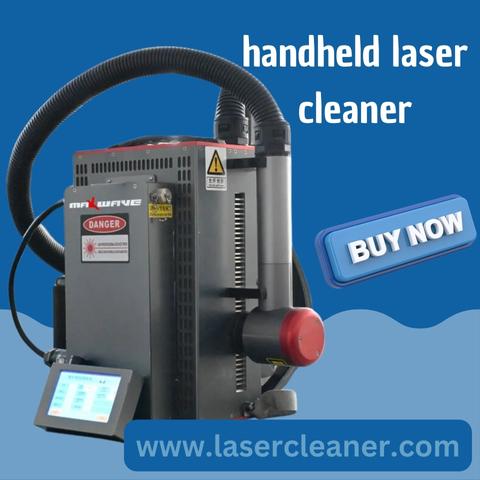
Handheld Laser Cleaner: A Modern Solution for Precision Surface Cleaning
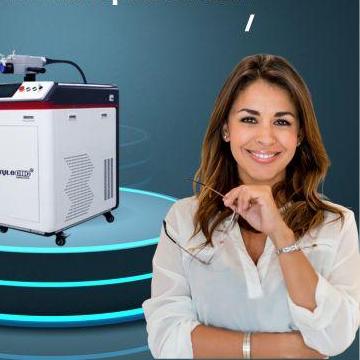
Surface cleaning is an important process in industries where metal components, machinery, and equipment require proper maintenance. Traditional cleaning methods often involve chemicals, abrasive materials, or manual techniques that can require considerable time and effort. Modern laser technology offers another approach through controlled laser energy that removes unwanted materials from different surfaces. A handheld laser cleaner is designed to make this process more convenient by allowing operators to direct the laser toward specific areas that need treatment.
Understanding Handheld Laser Cleaning Technology
Laser cleaning works by directing a concentrated beam of light onto a surface. The laser energy interacts with unwanted layers such as rust, paint, oxide, oil, and other contaminants. Depending on the material and selected operating settings, these unwanted substances can be removed without relying on conventional abrasive cleaning materials.
The handheld design gives operators greater control over the cleaning process. Instead of moving large components through a fixed cleaning system, workers can position the cleaning head directly over the required area. This makes the technology suitable for different industrial environments, including workshops, manufacturing facilities, and maintenance departments.
Industrial Applications of Laser Cleaning
Laser cleaning technology is used in several industries where surface preparation and maintenance are important. Metal fabrication companies use it to prepare components before welding, painting, or other production processes. Removing rust and oxidation helps create a cleaner surface for subsequent operations.
Automotive manufacturers and repair workshops also use laser cleaning equipment for treating metal parts, removing coatings, and cleaning selected components. In shipbuilding and heavy machinery maintenance, laser technology can help address corrosion on metal surfaces and equipment.
Another application involves mold and tool cleaning. Manufacturing molds can collect residues during repeated production cycles. Controlled laser cleaning can help remove these deposits while reducing the need for direct mechanical contact with the treated surface.
Choosing the Right Equipment for Your Workplace
Selecting suitable laser cleaning equipment requires an understanding of the materials, contaminants, and working conditions involved. Different cleaning tasks may require different laser power levels and operating configurations.
For example, removing light surface oxidation may require different settings from removing thick rust or multiple layers of industrial paint. Operators should consider the size of the components, the cleaning area, and the frequency of daily operations before selecting a machine.
A handheld laser cleaner can be considered for workplaces that need flexibility when treating different components or reaching specific areas. Buyers should also review the equipment's operating instructions, cooling arrangements, maintenance requirements, and available technical support.
Safe Operation and Maintenance
Proper operation is essential when working with industrial laser equipment. Laser radiation can cause serious eye and skin injuries, so operators must follow the manufacturer's safety instructions and applicable laser safety standards.
Appropriate laser-rated protective eyewear, controlled access to the working area, suitable protective barriers, and proper ventilation or fume extraction should be considered. Some cleaning processes release hazardous particles or fumes, particularly when removing paint or chemical coatings. These materials should be assessed before work begins.
Regular maintenance also supports reliable equipment operation. Operators should inspect cables, connectors, protective components, and the cleaning head according to the manufacturer's recommendations. Keeping the equipment clean and following the recommended service schedule can help maintain consistent performance.
The Growing Demand for Portable Cleaning Solutions
Industries continue to look for practical technologies that support accurate surface preparation and efficient maintenance. Portable laser systems are becoming an important option for businesses that work with different metal components and industrial equipment.
A handheld laser cleaner provides an alternative to traditional surface treatment methods in applications where controlled, localized cleaning is required. Its suitability depends on the material, contaminant, cleaning requirements, and workplace safety arrangements.
Businesses exploring this technology should compare machine specifications, request application demonstrations, and discuss their actual cleaning requirements with experienced equipment suppliers. Testing the equipment on representative materials before purchasing can help ensure that the selected system meets production expectations.
Final Thoughts
Laser cleaning technology is changing how industries approach rust removal, paint stripping, and metal surface preparation. Its portable design makes it relevant to workshops, factories, automotive facilities, and industrial maintenance operations. Before investing in a handheld laser cleaner, businesses should carefully evaluate their cleaning applications, required power levels, safety procedures, and long-term operating needs. Choosing suitable equipment and training operators properly can support reliable results and more organized industrial cleaning processes.