


How Does the Book of Exodus Explain the Passover?
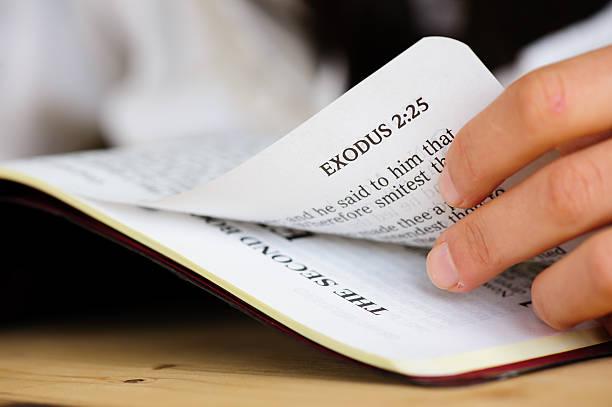
The Passover stands at the heart of Israel’s religious memory, and its meaning is inseparable from the narrative found in the Book of Exodus. More than a historical event, Passover functions as a theological cornerstone that explains divine justice, mercy, covenant identity, and liberation. The Book of Exodus does not merely recount the origin of Passover as a ritual; it embeds the observance within a larger story of oppression, deliverance, and divine faithfulness. Through narrative, instruction, and symbolism, the text presents Passover as both an act of rescue and a perpetual reminder of God’s redemptive power.
Historical Context: Israel in Bondage
The explanation of Passover begins with the context of Israel’s enslavement in Egypt. According to the Book of Exodus, the Israelites had become a numerous people, and their growing strength provoked fear in the Egyptian leadership. What followed was systematic oppression, forced labor, and ultimately state-sponsored violence against Hebrew children.
This setting of suffering is crucial to understanding Passover. The ritual is not introduced in isolation but as a direct response to injustice. The Book of Exodus portrays God as attentive to suffering, emphasizing that divine action is motivated by compassion and covenantal responsibility rather than abstract power.
The Rise of Moses and Divine Commission
The narrative builds toward Passover through the calling of Moses. God’s revelation at the burning bush establishes the divine intention to deliver Israel from bondage. Moses is commissioned as mediator, confronting Pharaoh with demands for liberation.
The repeated refusal of Pharaoh intensifies the conflict between divine authority and human arrogance. This escalating tension sets the stage for the final plague, within which the Passover is instituted.
The Plagues and the Climactic Judgment
The Purpose of the Plagues
The plagues in the Book of Exodus function as both judgment and revelation. Each plague confronts Egyptian power structures and religious assumptions, gradually exposing the limitations of Pharaoh’s authority.
The final plague, the death of the firstborn, is distinct in both severity and theological weight. It represents a decisive act that compels liberation, but it also introduces the ritual framework of Passover.
The Passover Night as Divine Intervention
The Passover is explained as a protective act amid judgment. God instructs the Israelites to mark their doorposts with the blood of a lamb so that the destructive force would “pass over” their homes. This moment defines the ritual’s name and meaning.
The Book of Exodus emphasizes obedience and trust in divine instruction. The blood is not portrayed as magical but as a sign of covenant loyalty. The act of marking the doorposts signifies alignment with God’s promise of deliverance.
Ritual Instructions and Symbolism
The Passover Lamb
The lamb occupies a central symbolic role in the Passover account. It must be unblemished, selected carefully, and prepared according to specific instructions. These details underscore the seriousness of the ritual and its sacred nature.
In the Book of Exodus, the lamb represents both sacrifice and sustenance. Its blood protects, and its flesh nourishes. This dual function reinforces the idea that deliverance involves both preservation and preparation for a new life.
Unleavened Bread and Readiness
The requirement to eat unleavened bread reflects urgency. There is no time for fermentation, symbolizing the immediacy of liberation. The Book of Exodus presents this haste as a defining feature of the event.
Unleavened bread becomes a lasting reminder that freedom can arrive suddenly and decisively. The ritual meal embodies readiness to move when deliverance comes.
Passover as a Foundational Memory
From Event to Ordinance
The Book of Exodus explicitly commands that Passover be remembered and reenacted annually. This transition from historical event to enduring ordinance transforms Passover into a living tradition.
Memory is not passive recollection but active participation. Each generation is instructed to see itself as part of the original deliverance. This framing ensures that identity is shaped by redemption rather than by oppression.
Teaching Future Generations
The narrative anticipates questions from children about the meaning of the ritual. The Book of Exodus provides answers that link practice to story, ritual to meaning.
Passover thus becomes an educational framework. Faith is transmitted through storytelling embedded in ritual action, reinforcing communal identity and theological continuity.
Theological Themes in the Passover Narrative
Divine Sovereignty and Justice
The Book of Exodus presents Passover as an expression of divine sovereignty. God acts decisively against injustice, demonstrating authority over nations and rulers.
At the same time, justice is tempered by mercy. The protective sign on Israelite homes illustrates that deliverance is not arbitrary but relational, grounded in covenant.
Redemption and Identity
Passover marks the birth of Israel as a redeemed people. Liberation from Egypt is not simply escape from suffering but entrance into a covenantal relationship.
The Book of Exodus frames freedom as purposeful. Israel is delivered not only from something but for something: service to God and ethical responsibility within the covenant.
The Passover and the Exodus Journey
From Night of Deliverance to Wilderness Formation
Passover initiates the Exodus journey but does not complete it. The Book of Exodus shows that liberation is followed by testing, instruction, and transformation.
The ritual meal eaten in haste contrasts with the long process of becoming a people shaped by divine law. Passover thus stands as the beginning of a journey rather than its conclusion.
Covenant Renewal at Sinai
The memory of Passover informs later covenant moments, particularly at Sinai. The God who delivers is the same God who gives the law.
This continuity reinforces the idea that obedience flows from redemption, not the other way around. The Book of Exodus consistently links divine instruction to prior acts of grace.
Passover and Divine Presence
The Passover narrative emphasizes God’s active presence in history. The events are not distant or symbolic alone; they involve concrete action in time and space.
The Book of Exodus portrays God as both transcendent and involved, capable of cosmic judgment yet attentive to individual households. This balance deepens the theological significance of Passover as both communal and personal.
Lasting Significance of Passover in the Book of Exodus
The Book of Exodus explains Passover as a multifaceted institution encompassing history, theology, ritual, and identity. It is a moment of crisis transformed into a lasting sign of hope.
Passover teaches that faith is rooted in remembrance, that freedom is a gift requiring trust, and that divine power is exercised for the sake of justice and covenant loyalty. The ritual does not allow Israel to forget its past or misunderstand its present.
Conclusion: Passover as the Heart of the Exodus Story
The Book of Exodus explains the Passover not merely as a single night of deliverance but as the defining act that shapes Israel’s understanding of God and itself. Through narrative detail, ritual instruction, and theological reflection, Passover becomes the lens through which liberation, faith, and identity are understood.
By embedding the Passover within the broader Exodus story, the Book of Exodus presents it as an enduring testimony to divine faithfulness. The ritual continues to speak across generations, reminding readers that freedom is born from divine compassion and sustained through remembrance and obedience.
 Italiano
 English
 Arabic
 French
 Spanish
 Portuguese
 Deutsch
 Turkish
 Dutch
Dutch
 Russian
 Romaian
 Portuguese (Brazil)
 Greek
Greek