


What Is the Significance of the Shema in the Book of Deuteronomy?
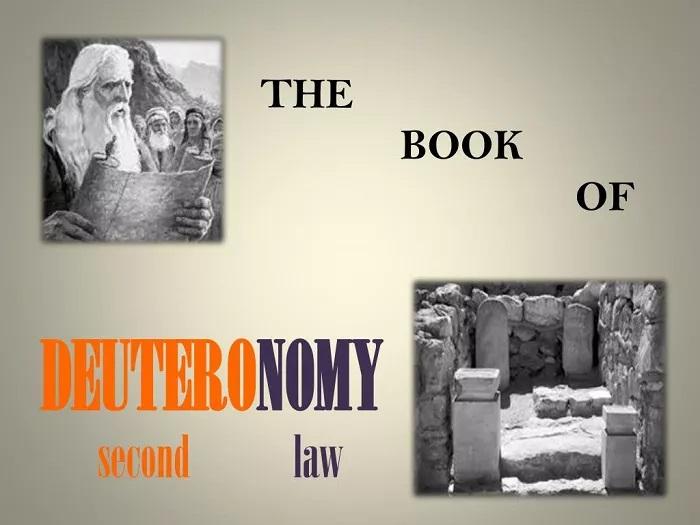
The Shema stands as one of the most central and enduring declarations in biblical theology. Found in Deuteronomy 6:4–9, it begins with the proclamation, “Hear, O Israel: the Lord our God, the Lord is one.” This passage, known as the Shema from its opening Hebrew word meaning “hear” or “listen,” occupies a foundational place in the religious life of Israel and in later Jewish tradition. Within the Book of Deuteronomy, the Shema functions as a theological anchor, summarizing Israel’s faith, shaping its covenant identity, and guiding daily life. Its significance extends beyond a simple creed, offering a comprehensive vision of devotion, obedience, and communal formation.
The Literary and Historical Context of the Shema
The Book of Deuteronomy is structured as a series of speeches attributed to Moses, delivered to Israel on the plains of Moab before entry into the promised land. These speeches review the law, recount Israel’s history, and emphasize the importance of covenant loyalty. The Shema appears early in this narrative framework, following the recapitulation of the Ten Commandments in Deuteronomy 5.
A Covenant Renewal Setting
The placement of the Shema is significant. Israel stands at a moment of transition, poised to move from wilderness wandering into settled life. The Book of Deuteronomy addresses a new generation that did not personally experience the Sinai revelation. The Shema therefore serves as a reaffirmation of covenant identity, grounding future obedience in a clear confession of who God is and what God requires.
Spoken Rather Than Abstract Theology
Unlike philosophical treatises on divine nature, the Shema is presented as spoken instruction. The emphasis on hearing underscores the relational aspect of covenant faith. In the Book of Deuteronomy, faith is not merely believed but actively received, remembered, and enacted through listening and response.
The Shema as a Declaration of Divine Unity
At the heart of the Shema lies the affirmation of God’s oneness. This declaration carries profound theological and cultural implications within the Book of Deuteronomy.
Monotheism in a Polytheistic World
The Lord Is One
The statement that the Lord is one asserts both uniqueness and exclusivity. In the ancient Near Eastern context, where multiple deities were worshiped, this confession distinguished Israel’s faith from surrounding cultures. The Book of Deuteronomy consistently warns against idolatry, and the Shema provides the theological foundation for those warnings by affirming that no other gods are worthy of allegiance.
Unity and Wholeness
The concept of divine oneness also conveys wholeness and integrity. God is not divided among competing forces or limited to specific domains. This understanding shapes Israel’s trust, as devotion is directed toward a single, sovereign deity who governs all aspects of life. The Shema thus becomes a lens through which the rest of the Book of Deuteronomy is interpreted.
Love as the Core Covenant Response
Following the declaration of God’s oneness, the Shema commands love for God with heart, soul, and strength. This command reveals that covenant obedience is rooted in relational devotion rather than mere legal compliance.
Love Beyond Emotion
In the Book of Deuteronomy, love is expressed through loyalty and obedience. The call to love God encompasses intention, vitality, and resources. This holistic demand integrates belief and action, indicating that true faith engages the entire person. The Shema thereby reframes the law as an expression of love rather than a burdensome obligation.
Motivation for Obedience
Throughout the Book of Deuteronomy, obedience is repeatedly linked to blessing, life, and well-being. The Shema provides the motivational core for this obedience by grounding it in love. Laws and commandments are not arbitrary rules but pathways to faithful relationship with God.
The Shema and the Formation of Daily Life
One of the most distinctive aspects of the Shema is its emphasis on continual remembrance and teaching. The Book of Deuteronomy portrays faith as something woven into everyday existence.
Instruction Across Generations
The Shema instructs Israel to teach God’s commandments diligently to children. This generational focus highlights the communal nature of faith. Knowledge of God is not confined to priests or leaders but transmitted within families. The Book of Deuteronomy thus presents religious education as a primary responsibility of the household.
Faith in Ordinary Activities
The Shema describes speaking of God’s commands while sitting at home, walking along the road, lying down, and rising up. These images portray faith as an ongoing conversation rather than a sporadic ritual. The Book of Deuteronomy emphasizes that covenant loyalty is practiced in the rhythms of daily life, reinforcing memory and identity through repetition.
Symbolism and Physical Reminders
The Shema includes instructions for binding the words as signs and writing them on doorposts and gates. These symbolic actions illustrate how faith is made visible and tangible.
External Signs of Internal Commitment
By associating the commandments with the body and the home, the Book of Deuteronomy links belief with action and space. Physical reminders serve to anchor spiritual commitments in the material world. The Shema thus bridges inner devotion and outward practice.
Community Identity and Public Witness
Writing the words on gates extends the significance of the Shema beyond private devotion into the public sphere. The community’s physical environment becomes marked by covenant allegiance. This reinforces collective identity and serves as a constant reminder of shared faith.
Theological Themes Reinforced by the Shema
The Shema encapsulates several major theological themes that recur throughout the Book of Deuteronomy.
Memory and Forgetfulness
A persistent concern in the Book of Deuteronomy is the danger of forgetting God, especially during times of prosperity. The Shema functions as a safeguard against such forgetfulness by calling for constant remembrance. By rehearsing the confession regularly, Israel is reminded of its dependence on God.
Blessing, Life, and Choice
The Book of Deuteronomy frequently frames obedience as a choice between life and death, blessing and curse. The Shema introduces this framework by establishing the relationship upon which these outcomes depend. Loving and acknowledging the one God is presented as the path to life.
The Shema’s Enduring Significance
Although rooted in the historical context of ancient Israel, the significance of the Shema extends beyond its original setting. Within the Book of Deuteronomy, it serves as a theological summary that continues to inform interpretation and practice.
Foundation for Later Biblical Thought
Later biblical texts echo the themes of the Shema, particularly its emphasis on exclusive devotion and wholehearted love. Prophetic critiques of idolatry and calls to covenant faithfulness draw on the foundational principles articulated in Deuteronomy 6.
A Model of Integrated Faith
The Shema presents a model of faith that integrates belief, love, obedience, memory, and daily practice. This holistic vision remains one of the most influential contributions of the Book of Deuteronomy to biblical theology.
Conclusion
The significance of the Shema in the Book of Deuteronomy lies in its ability to distill Israel’s faith into a concise yet comprehensive declaration. By affirming the oneness of God and commanding wholehearted love, the Shema establishes the foundation for covenant life. Its emphasis on continual remembrance, generational teaching, and integration into daily routines reflects the Book of Deuteronomy’s vision of faith as lived allegiance rather than abstract belief. As both a confession and a way of life, the Shema remains a central expression of biblical theology, shaping identity, devotion, and obedience within the covenant community.
 Dutch
Dutch
 English
 Arabic
 French
 Spanish
 Portuguese
 Deutsch
 Turkish
 Italiano
 Russian
 Romaian
 Portuguese (Brazil)
 Greek
Greek