


Why Is Employee Retention Critical For Long-Term Business Success?
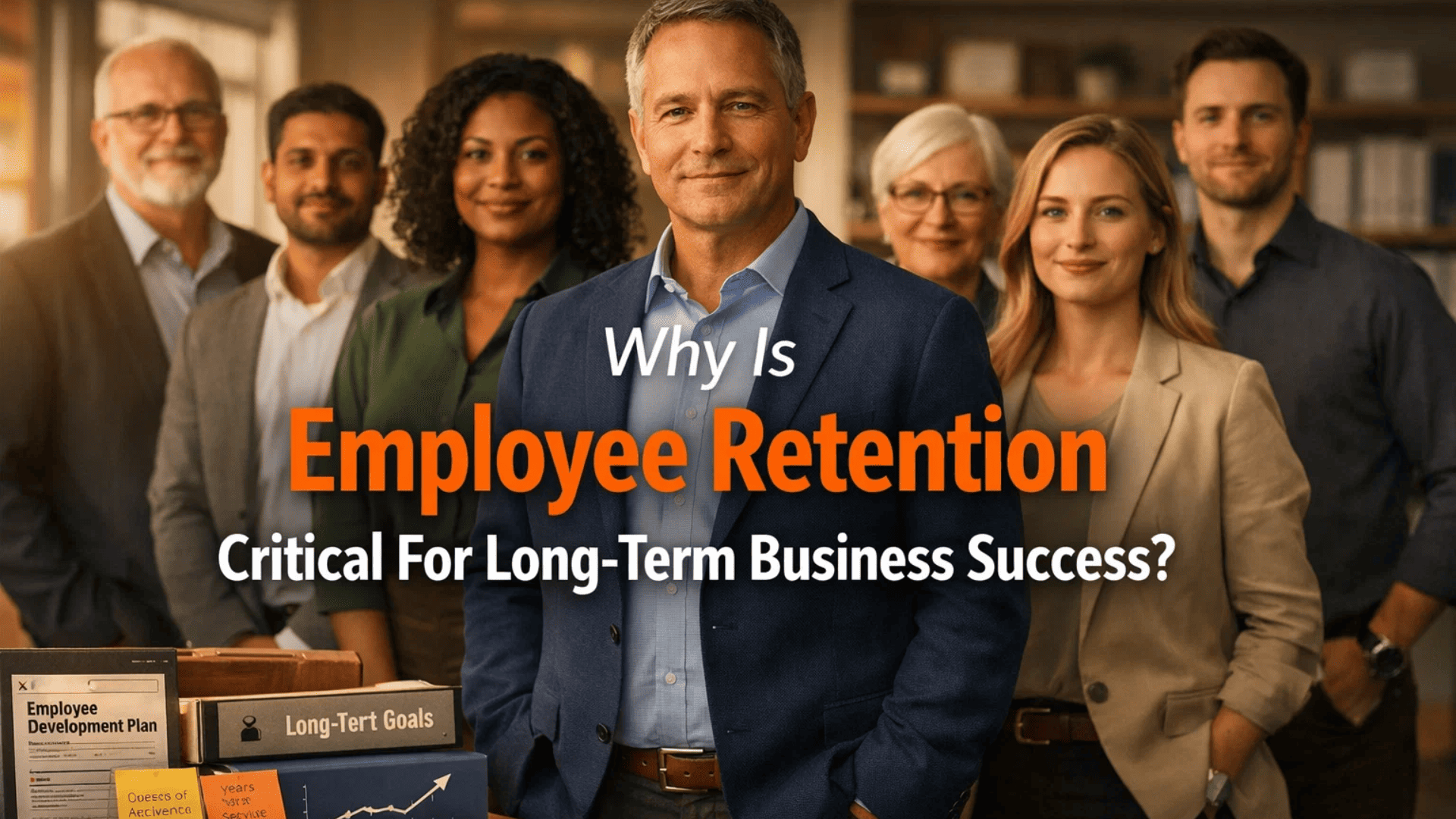
In today’s evolving business landscape, sustainable growth depends on more than attracting new talent. Organizations are increasingly recognizing that long-term success is built by people who remain committed, engaged, and aligned with company goals over time. When employees feel secure and valued, they contribute more than skills alone. They bring loyalty, consistency, and a deeper understanding of the organization’s mission. This stability strengthens internal operations and creates a foundation for lasting progress.
Businesses that prioritize continuity through employee retention benefit from stronger teamwork, clearer communication, and a culture of trust. Employees who stay longer develop deeper relationships with colleagues and clients, which improves collaboration and service quality. Over time, this consistency becomes a strategic advantage that supports resilience, productivity, and reputation across competitive markets where constant change is the norm.
The Hidden Costs Of High Turnover
Employee turnover affects more than staffing numbers. When experienced professionals leave, businesses lose valuable knowledge, established processes, and trusted internal relationships. Remaining employees often face increased workloads as teams adjust, which can lead to burnout, frustration, and declining morale. These disruptions weaken momentum and make it harder to maintain consistent performance.

Recruitment and training also demand substantial time and financial investment. Hiring new employees requires advertising, interviews, onboarding, and learning periods before productivity reaches expected levels. A well-implemented leave management system supports better workforce planning during these transitions, helping teams stay balanced while leadership focuses on innovation and strategic planning. As turnover increases, organizations struggle to maintain focus, making it harder to execute long-term objectives effectively and sustainably.
Building Loyalty Through Trust And Growth
Employees are more likely to stay when they feel trusted and supported by leadership. Transparent communication, fair decision-making, and meaningful recognition create a sense of belonging within the organization. When individuals understand how their work contributes to broader business goals, they develop a stronger emotional connection to their roles and responsibilities.

Professional development further strengthens this connection. Opportunities for learning, mentorship, and skill advancement show employees that growth is encouraged rather than limited. Clear career pathways help individuals visualize a future within the organization, reducing the desire to seek opportunities elsewhere. This commitment transforms employees into long-term contributors rather than short-term participants, reinforcing organizational stability and confidence.
Culture As A Driver Of Sustainable Performance
Workplace culture plays a central role in long-term stability and performance. A positive environment encourages collaboration, mutual respect, and accountability at every level of the organization. When supported by well-designed employee Incentives, employees feel recognized for their contributions and are more willing to share ideas, raise concerns, and participate in problem-solving discussions.
Strong cultures also reinforce shared values and expectations. Employees who align with organizational principles naturally become advocates for the brand, both internally and externally. This cultural consistency supports reliable performance, reduces conflict, and strengthens internal cohesion. Even during periods of change or uncertainty, a strong culture helps teams stay focused and motivated.
Strategic Stability And Competitive Advantage
Organizations with stable teams can plan with greater confidence and clarity. Long-term initiatives, customer relationships, and operational improvements thrive when continuity exists within the workforce. Stability allows leaders to focus on growth strategies, innovation, and market expansion rather than constant workforce replacement.

This is where employee retention becomes essential. By maintaining experienced and motivated teams, businesses protect institutional knowledge and build stronger leadership pipelines. Employees who understand systems, clients, and company values contribute to smarter decisions and smoother execution. Consistency within the workforce directly supports sustainable growth and long-term success in competitive industries.
You can also watch this video - EmpCloud: One Platform for All Your Workforce Needs!
Conclusion
Long-term business success is built through people who grow alongside the organization. When companies invest in trust, development, and culture, they create environments where employees choose to stay and contribute meaningfully. Stability within teams strengthens performance, enhances reputation, and supports strategic clarity. By prioritizing retention, organizations lay the groundwork for resilience, adaptability, and enduring success in an ever-changing business world.
FAQs
- Why is employee retention important for long-term success?
Employee retention preserves knowledge, reduces operational disruptions, and ensures smoother strategy execution. Long-term employees understand company processes and clients, helping maintain consistency, lower recruitment costs, and support sustainable growth, making it a key factor for achieving lasting business success. - How does retention influence workplace culture?
Stable teams build trust, encourage collaboration, and reinforce shared values. Long-term employees mentor new hires and maintain cultural standards, creating a positive environment where engagement, morale, and accountability thrive. Retention ensures workplace culture remains consistent and supportive. - Can retention improve business performance?
Yes. Consistent teams enhance productivity, innovation, and leadership development. Experienced employees understand workflows and goals, reducing inefficiencies and supporting informed decision-making. High retention strengthens team cohesion, boosts performance, and contributes directly to sustainable organizational growth.
 Romaian
 English
 Arabic
 French
 Spanish
 Portuguese
 Deutsch
 Turkish
 Dutch
Dutch
 Italiano
 Russian
 Portuguese (Brazil)
 Greek
Greek