


How Do Vacuum Pressure Gauges Help in HVAC System Diagnostics?
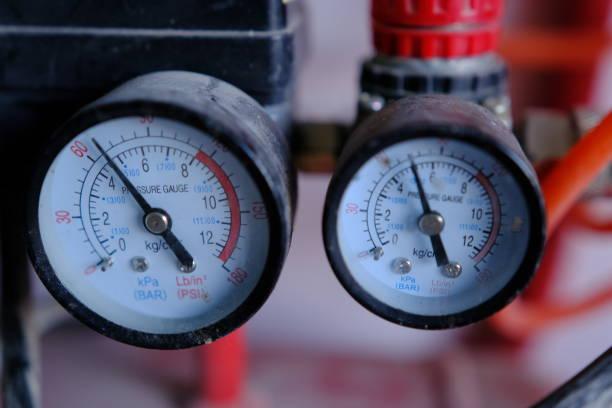
Heating, ventilation, and air conditioning systems depend on precise pressure control to operate efficiently and safely. Among the diagnostic instruments used by technicians, vacuum pressure gauges play a vital role in identifying system health, detecting faults, and ensuring proper operation. By measuring pressure below atmospheric levels, these instruments provide insights that standard pressure gauges cannot. Vacuum Pressure Gauges are essential tools for understanding how HVAC systems behave during evacuation, operation, and maintenance, making them indispensable in modern diagnostics.
Understanding Vacuum Pressure Gauges in HVAC Systems
Vacuum pressure gauges are designed to measure negative pressure relative to atmospheric pressure. In HVAC systems, vacuum conditions are frequently encountered during system evacuation, refrigerant recovery, and leak detection. These gauges provide accurate readings in units such as inches of mercury or millimeters of mercury, allowing technicians to evaluate system conditions precisely.
HVAC systems often require evacuation to remove moisture, air, and non-condensable gases before charging with refrigerant. Vacuum pressure gauges confirm whether the required vacuum level has been achieved and maintained, offering critical diagnostic information.
The Role of Vacuum in HVAC Operation
Vacuum conditions are not limited to initial installation. Certain operational states and troubleshooting procedures involve creating or monitoring vacuum. For example, during refrigerant recovery or system shutdown, negative pressure can develop.
Understanding these pressure changes helps technicians diagnose restrictions, leaks, and component failures. Vacuum pressure gauges provide real-time data that reveals how the system responds under different conditions.
Diagnosing Refrigerant Leaks and System Integrity
Detecting Leaks Through Vacuum Decay
One of the most important diagnostic uses of vacuum pressure gauges is leak detection. After evacuating an HVAC system, technicians monitor vacuum levels over time. A stable vacuum indicates a sealed system, while a rising pressure suggests a leak.
Vacuum Pressure Gauges make these subtle changes visible. Even small leaks that might not be detectable under positive pressure conditions can become evident during vacuum testing. This early detection prevents refrigerant loss, environmental harm, and system inefficiency.
Verifying System Tightness Before Charging
Charging a system with refrigerant before confirming its integrity can lead to costly and hazardous issues. Vacuum pressure gauges help ensure that all connections, seals, and components are secure.
By confirming that vacuum levels remain steady, technicians gain confidence that the system is ready for refrigerant. This step is essential for both performance and safety.
Moisture Removal and System Cleanliness
Moisture is a major threat to HVAC system performance. It can freeze, cause corrosion, and react with refrigerant to form acids. Removing moisture through evacuation is therefore a critical diagnostic and maintenance step.
Vacuum pressure gauges help determine whether moisture has been effectively removed. Achieving a deep, stable vacuum indicates successful dehydration. If vacuum levels rise after evacuation, it may signal residual moisture boiling off or a leak allowing air ingress.
Diagnosing Incomplete Evacuation
Incomplete evacuation can occur due to insufficient pump capacity, restrictions in the system, or trapped moisture. Vacuum pressure gauges allow technicians to identify these issues by observing evacuation rate and final vacuum level.
Slow pressure reduction or inability to reach target vacuum suggests a problem requiring further investigation. This diagnostic capability prevents long-term damage caused by moisture contamination.
Identifying Restrictions and Flow Issues
Pressure Behavior and System Blockages
Restrictions in HVAC systems, such as clogged filters, kinked lines, or faulty expansion devices, can create abnormal pressure conditions. Vacuum pressure gauges help diagnose these issues by revealing unexpected vacuum levels during operation or testing.
For example, excessive vacuum on the suction side may indicate a restriction limiting refrigerant flow. Identifying such patterns allows targeted repairs rather than generalized troubleshooting.
Compressor Performance Evaluation
Compressor health is central to HVAC system operation. Vacuum pressure gauges assist in evaluating compressor performance by monitoring suction pressure behavior.
Abnormally low suction pressure may indicate inadequate refrigerant charge, airflow problems, or internal compressor issues. By interpreting vacuum readings in context, technicians can pinpoint the underlying cause.
Supporting Preventive Maintenance
Monitoring System Health Over Time
Regular use of vacuum pressure gauges supports preventive maintenance strategies. Tracking vacuum performance during routine service visits provides baseline data for comparison.
Gradual changes in evacuation behavior or vacuum stability can signal developing problems. Addressing these issues early reduces the risk of system failure and improves overall reliability.
Enhancing Diagnostic Accuracy
Accurate diagnostics reduce unnecessary component replacement and downtime. Vacuum pressure gauges provide precise data that complements other diagnostic tools.
This accuracy improves decision-making, ensuring that repairs address root causes rather than symptoms. The result is a safer, more efficient HVAC system.
Safety and Environmental Considerations
Preventing Refrigerant Release
Refrigerant leaks pose safety and environmental risks. Vacuum pressure gauges help prevent accidental releases by ensuring system integrity before charging.
By identifying leaks early, technicians reduce the likelihood of refrigerant escaping into the atmosphere. This contributes to environmental protection and regulatory compliance.
Protecting Equipment and Personnel
Operating an HVAC system with air or moisture contamination can lead to sudden failures. These failures may pose risks to equipment and personnel.
Vacuum pressure gauges help mitigate these risks by verifying that systems are properly evacuated and sealed. Safe pressure management protects both people and machinery.
Training, Standardization, and Best Practices
Improving Technician Skill and Confidence
Understanding vacuum behavior is a key competency in HVAC diagnostics. Vacuum pressure gauges provide clear, interpretable data that supports technician training.
Consistent use of these gauges fosters familiarity with normal and abnormal system behavior. This experience improves diagnostic speed and accuracy.
Supporting Industry Standards
Many HVAC service standards emphasize proper evacuation and leak testing. Vacuum pressure gauges support compliance with these standards by providing measurable confirmation of system condition.
Documentation of vacuum readings also aids in quality assurance and accountability, reinforcing professional best practices.
Integration With Modern Diagnostic Tools
Vacuum pressure gauges are increasingly integrated with digital manifolds and monitoring systems. These advancements enhance data accuracy and record-keeping.
Digital vacuum gauges, in particular, offer higher resolution and faster response times. When combined with traditional pressure readings, they provide a comprehensive diagnostic picture.
Despite technological advancements, the fundamental role of vacuum pressure gauges remains unchanged. They continue to serve as essential tools for understanding negative pressure behavior.
Conclusion: Diagnostic Value of Vacuum Pressure Gauges
Vacuum Pressure Gauges play a crucial role in HVAC system diagnostics by revealing conditions that cannot be observed through positive pressure measurement alone. From leak detection and moisture removal to restriction diagnosis and compressor evaluation, these instruments provide vital insights into system health.
By supporting accurate diagnostics, preventive maintenance, and safe operation, vacuum pressure gauges contribute to efficient, reliable, and environmentally responsible HVAC systems. Their ability to measure and interpret vacuum conditions makes them indispensable tools for modern HVAC professionals, ensuring that systems operate as designed and remain dependable over time.
 Portuguese (Brazil)
 English
 Arabic
 French
 Spanish
 Portuguese
 Deutsch
 Turkish
 Dutch
Dutch
 Italiano
 Russian
 Romaian
 Greek
Greek