


How Do Compound Gauges Contribute to System Safety?
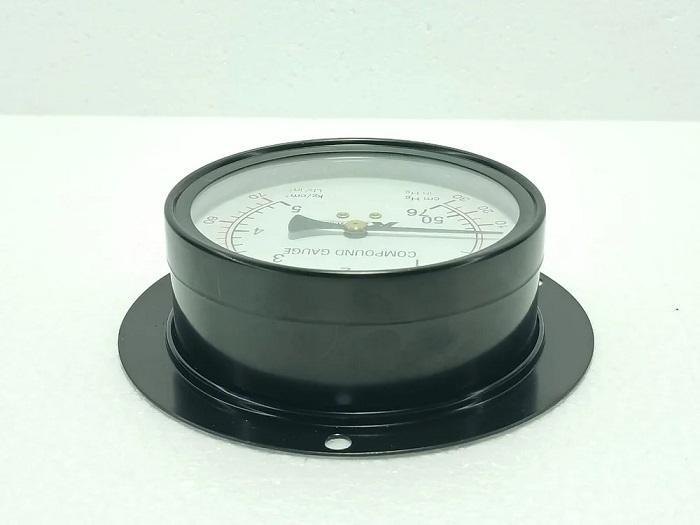
Industrial and mechanical systems rely on accurate pressure measurement to operate safely and efficiently. Among the many instruments used to monitor pressure, compound gauges play a particularly important role in environments where systems experience both vacuum and positive pressure conditions. By providing a continuous view of pressure fluctuations across a wide range, Compound Gauges contribute directly to system safety, equipment protection, and operational reliability. Their design and application allow operators to detect abnormal conditions early, reducing the risk of mechanical failure and hazardous incidents.
Understanding Compound Gauges and Their Function
Compound gauges are pressure-measuring devices designed to display both vacuum and positive pressure on a single scale. Unlike standard pressure gauges, which measure only pressure above atmospheric levels, compound gauges extend into the vacuum range. This capability makes them essential in systems where pressure may transition across atmospheric pressure during normal operation.
These gauges typically measure vacuum in inches of mercury or millimeters of mercury and positive pressure in pounds per square inch, bar, or similar units. By integrating both ranges, compound gauges eliminate the need for multiple instruments, simplifying system monitoring and reducing potential points of failure.
Pressure Transitions and System Complexity
Many industrial systems operate across varying pressure states. Refrigeration units, chemical processing systems, pumps, and compressed air systems often experience conditions where pressure moves from negative to positive or vice versa. Monitoring only one side of this range leaves critical gaps in visibility.
Compound gauges provide a complete pressure profile, allowing operators to understand how systems behave during startup, shutdown, or transient conditions. This continuous measurement capability is foundational to maintaining system safety.
Early Detection of Abnormal Conditions
Identifying Vacuum Leaks and Overpressure
One of the most important safety contributions of compound gauges is their ability to detect abnormal pressure changes early. A sudden drop into vacuum or an unexpected rise in pressure can indicate leaks, blockages, or malfunctioning components.
By displaying both vacuum and pressure values, compound gauges help operators recognize subtle shifts that might otherwise go unnoticed. Early detection allows corrective action before conditions escalate into equipment damage or safety hazards.
Preventing Equipment Stress
Mechanical components such as seals, valves, and piping are designed to operate within specific pressure limits. Exceeding these limits can cause deformation, fatigue, or rupture.
Compound gauges enable precise monitoring of pressure boundaries. When pressure approaches unsafe levels, operators can intervene by adjusting system parameters or shutting down equipment. This proactive approach significantly reduces the likelihood of catastrophic failure.
Enhancing Safety During Startup and Shutdown
Startup and shutdown phases are often the most vulnerable moments in system operation. Pressure changes occur rapidly, and systems may temporarily pass through vacuum conditions before stabilizing.
Compound gauges provide real-time feedback during these transitions. Operators can observe how pressure develops, ensuring that it rises or falls at controlled rates. This visibility reduces the risk of sudden pressure surges that could compromise system integrity.
During shutdown, compound gauges confirm that pressure is safely vented and that vacuum conditions do not persist unexpectedly. This verification is critical for protecting both equipment and personnel.
Supporting Safe Operation in Process Industries
Chemical and Pharmaceutical Applications
In chemical and pharmaceutical processes, precise pressure control is essential for safety and product quality. Vacuum conditions are often used for distillation, filtration, or drying, while positive pressure may be required for transfer or containment.
Compound gauges allow seamless monitoring across these phases. Any deviation from expected pressure behavior can signal reaction instability, equipment fouling, or containment issues. Immediate detection helps prevent hazardous releases or compromised product batches.
Refrigeration and HVAC Systems
Refrigeration systems frequently transition between vacuum and positive pressure, particularly during maintenance or startup. Compound gauges are standard tools for monitoring refrigerant pressure and diagnosing system health.
By revealing abnormal vacuum levels or excessive pressure, compound gauges help prevent compressor damage, refrigerant leaks, and system inefficiency. These preventive measures contribute directly to safe and reliable operation.
Human Factors and Operational Safety
Simplified Monitoring and Reduced Error
Using multiple gauges to monitor different pressure ranges increases complexity and the potential for misinterpretation. Compound gauges consolidate information into a single, clearly marked display.
This simplification improves situational awareness for operators. Clear visualization reduces the likelihood of reading errors, especially in high-pressure situations where quick decisions are required.
Training and Standardization
Compound gauges support safer systems by enabling standardized training. Operators learn to interpret a single gauge across all operating conditions rather than switching between instruments.
Consistency in instrumentation promotes confidence and competence, reducing the risk of incorrect responses during abnormal events.
System Design and Preventive Maintenance
Monitoring System Health Over Time
Beyond immediate safety, compound gauges contribute to long-term system health. Gradual changes in pressure behavior can indicate wear, fouling, or efficiency loss.
By tracking pressure trends, maintenance teams can identify emerging issues before they become critical. Preventive maintenance reduces unplanned downtime and minimizes safety risks associated with sudden equipment failure.
Supporting Predictive Maintenance Strategies
Modern maintenance strategies emphasize prediction rather than reaction. Compound gauges provide valuable data that supports predictive maintenance models.
Consistent pressure readings across both vacuum and positive ranges help identify deviations from normal operation. Addressing these deviations early prevents the escalation of minor issues into safety incidents.
Material Integrity and Structural Protection
Pressure fluctuations place significant stress on system components. Rapid transitions between vacuum and positive pressure can cause material fatigue if not properly managed.
Compound gauges help ensure that pressure changes occur within safe limits. By allowing operators to monitor and control pressure gradients, these instruments protect structural integrity and extend equipment lifespan.
This protection is particularly important in systems with thin-walled vessels or sensitive components that are vulnerable to pressure-induced damage.
Regulatory Compliance and Safety Standards
Many industries are subject to safety regulations that require continuous pressure monitoring. Compound gauges support compliance by providing accurate and comprehensive pressure data.
Regulatory standards often emphasize the prevention of overpressure and vacuum collapse. Compound gauges address both concerns simultaneously, making them valuable tools for meeting safety requirements.
Proper documentation of pressure behavior also supports audits and inspections, demonstrating commitment to safe operation.
Environmental and Personnel Safety
Pressure-related incidents can result in hazardous releases, environmental contamination, or injury. By enabling early detection and controlled response, compound gauges reduce these risks.
Maintaining stable pressure conditions protects not only equipment but also the people who operate and maintain systems. Safe pressure management contributes to a safer workplace and reduces the likelihood of emergency situations.
Conclusion: The Safety Value of Compound Gauges
Compound Gauges play a critical role in maintaining system safety by providing comprehensive pressure monitoring across both vacuum and positive ranges. Their ability to detect abnormal conditions, support safe transitions, and simplify operator awareness makes them indispensable in many industrial applications.
By enabling early intervention, reducing equipment stress, and supporting preventive maintenance, compound gauges help prevent accidents and extend system reliability. Their contribution to safety goes beyond measurement, forming a key component of responsible system design and operation.
In complex environments where pressure dynamics are constantly changing, compound gauges offer clarity, control, and confidence. Through accurate monitoring and informed response, they help ensure that mechanical systems operate safely, efficiently, and sustainably.
 Greek
Greek
 English
 Arabic
 French
 Spanish
 Portuguese
 Deutsch
 Turkish
 Dutch
Dutch
 Italiano
 Russian
 Romaian
 Portuguese (Brazil)