

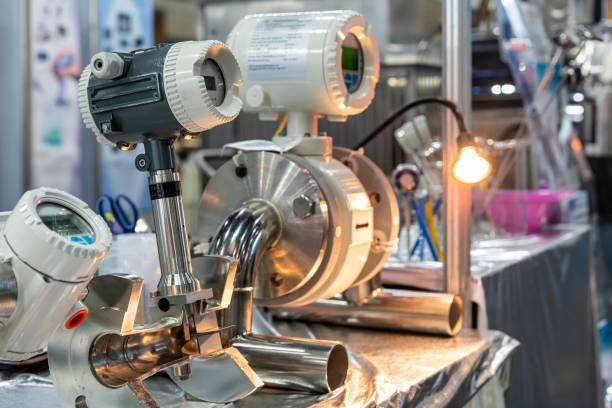
How Do You Troubleshoot Common Problems with a Water Flow Meter?

Water flow meters are essential instruments in residential, commercial, and industrial systems, providing critical data for monitoring consumption, detecting leaks, and ensuring efficient operation. When a Water Flow Meter begins to produce inaccurate readings or stops functioning correctly, it can lead to billing errors, process inefficiencies, or undetected system faults. Troubleshooting these issues requires a structured understanding of how flow meters operate, the environments in which they are installed, and the common problems that affect their performance.
Understanding the Role of a Water Flow Meter
A Water Flow Meter measures the volume or rate of water passing through a pipe. Depending on the application, it may use mechanical components, magnetic fields, ultrasonic signals, or differential pressure to generate readings. Each technology has its own sensitivities, but all flow meters rely on proper installation, stable flow conditions, and regular maintenance.
When troubleshooting begins, it is important to determine whether the issue is related to the meter itself, the surrounding piping system, or external factors such as water quality or operating conditions.
Common Symptoms of Flow Meter Problems
Problems with a water flow meter often present as inaccurate readings, intermittent output, zero flow indication despite visible movement, or excessive noise and vibration. Identifying the symptom helps narrow down the possible causes and prevents unnecessary disassembly or replacement.
Installation-Related Issues
Improper Pipe Configuration
One of the most frequent causes of flow meter problems is improper installation. Many water flow meters require straight lengths of pipe upstream and downstream to ensure a stable flow profile. Elbows, valves, pumps, or reducers located too close to the meter can create turbulence that distorts readings.
Troubleshooting begins by reviewing installation guidelines and confirming that the piping layout meets manufacturer requirements. If straight-run conditions are not adequate, flow conditioners or relocation of the meter may be necessary.
Incorrect Orientation
Some water flow meters are designed for horizontal installation, while others can operate vertically or in multiple orientations. Installing a meter in the wrong position can affect internal components, especially in mechanical designs that rely on gravity or balanced movement.
Checking orientation markings on the meter body and comparing them with actual installation helps identify this issue quickly.
Mechanical Wear and Internal Obstructions
Debris and Sediment Accumulation
Water quality plays a significant role in flow meter performance. Sediment, scale, rust particles, or biological growth can accumulate inside the meter, obstructing moving parts or sensors.
When readings gradually drift or become erratic, internal fouling is often the cause. Troubleshooting involves isolating the meter, removing it from the line if possible, and inspecting internal components for contamination. Installing strainers or filters upstream can prevent recurrence.
Wear of Moving Components
Mechanical water flow meters use turbines, paddles, or impellers that rotate with water flow. Over time, these components can wear, deform, or lose sensitivity due to friction and erosion.
Symptoms include under-registration of flow or delayed response at low flow rates. In such cases, inspection may reveal worn bearings or damaged rotors. Repair or replacement of internal parts is often required to restore accuracy.
Flow Conditions and System Behavior
Low Flow and Intermittent Flow Issues
Many water flow meters have a minimum flow threshold below which they cannot measure accurately. Systems with intermittent usage or very low flow rates may fall below this threshold, resulting in zero or inconsistent readings.
Troubleshooting involves comparing actual flow conditions with the meter’s specified operating range. If flow regularly falls below the minimum, selecting a meter designed for low-flow measurement may be necessary.
Air Entrapment and Cavitation
Air bubbles trapped in the water line can interfere with flow measurement, especially in ultrasonic or turbine-based meters. Cavitation caused by pressure drops can also damage internal components and distort readings.
Bleeding air from the system and ensuring proper pressure conditions are key steps in resolving these issues. Proper pipe slope and venting can help prevent air accumulation.
Electrical and Signal-Related Problems
Power Supply and Wiring Faults
Electronic water flow meters rely on stable power and signal transmission. Loose wiring, corrosion at terminals, or inadequate power supply can cause intermittent data loss or complete failure.
Troubleshooting includes checking voltage levels, inspecting connectors, and verifying grounding. In systems with remote monitoring, communication cables or transmitters should also be examined.
Signal Interference and Noise
Electromagnetic interference from nearby equipment can affect electronic flow meters. This may result in fluctuating readings or false alarms.
Identifying nearby sources of interference and improving shielding or grounding often resolves the problem. In some cases, rerouting signal cables away from high-power equipment is necessary.
Calibration and Accuracy Drift
Loss of Calibration Over Time
Even when mechanically sound, a water flow meter can lose accuracy due to gradual drift. Changes in water chemistry, temperature cycling, or component aging can alter calibration.
Routine calibration checks against a known reference are essential. Troubleshooting inaccurate readings may involve recalibrating the meter or sending it to a certified facility for verification.
Mismatch Between Meter and Application
Using a water flow meter outside its intended pressure, temperature, or flow range can accelerate accuracy loss. Reviewing process conditions and comparing them with meter specifications is a critical troubleshooting step.
If the application has changed since installation, a different meter type may be more appropriate.
Environmental and External Factors
Temperature Extremes and Freezing
Extreme temperatures can affect meter materials and electronics. Freezing conditions may crack housings or damage internal components, while excessive heat can degrade seals and sensors.
Inspecting the meter for physical damage and ensuring proper insulation or heat tracing helps prevent temperature-related failures.
Vibration and Mechanical Stress
Pumps, compressors, or nearby machinery can introduce vibration into piping systems. Over time, vibration can loosen connections, misalign components, or damage sensitive sensors.
Troubleshooting includes checking mounting stability and adding supports or vibration dampeners where necessary.
Preventive Maintenance as a Troubleshooting Tool
Establishing Inspection Routines
Many common problems with a Water Flow Meter can be prevented through regular inspection. Monitoring trends in flow data helps identify subtle changes before they become major issues.
Routine cleaning, verification of seals, and inspection of wiring contribute to long-term reliability.
Using Historical Data for Diagnosis
Comparing current readings with historical data provides valuable diagnostic insight. Sudden deviations often point to specific events such as maintenance activities, system modifications, or changes in water quality.
Using this data-driven approach improves troubleshooting efficiency and reduces downtime.
When Replacement Is the Best Option
In some cases, troubleshooting reveals that repair is not cost-effective. Severe wear, outdated technology, or repeated failures may justify replacing the water flow meter with a newer model.
Selecting a replacement involves evaluating current system needs, expected flow ranges, and environmental conditions. Upgrading to more robust or accurate technology can improve performance and reduce future troubleshooting efforts.
Conclusion: A Systematic Approach to Troubleshooting
Troubleshooting common problems with a Water Flow Meter requires a systematic approach that considers installation, flow conditions, mechanical integrity, and electrical performance. Many issues originate not within the meter itself but in the surrounding system or operating environment.
By carefully observing symptoms, inspecting installation details, and understanding the meter’s operating principles, problems can be identified and resolved efficiently. Regular maintenance, proper calibration, and thoughtful application selection further reduce the likelihood of recurring issues.
A well-maintained water flow meter provides reliable data that supports efficient system operation, accurate billing, and early detection of faults. Effective troubleshooting ensures that this critical instrument continues to perform its role with precision and dependability.