


What Pitch Should a Saxophone Mouthpiece Sound? Revealed!
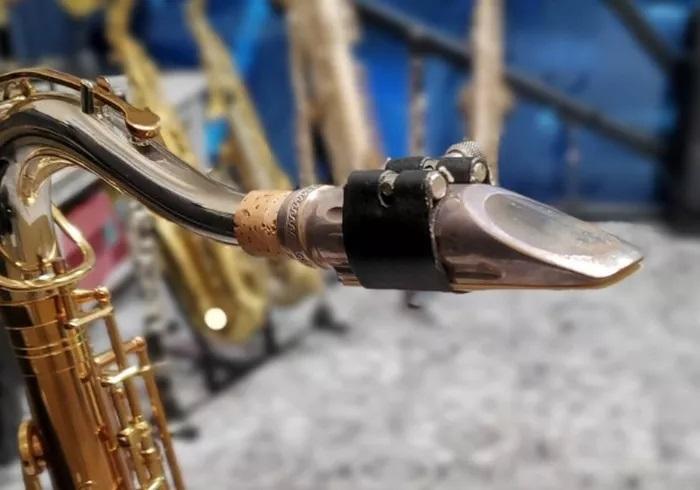
The saxophone mouthpiece is the heart of your instrument’s tone and tuning. Understanding what pitch a saxophone mouthpiece should sound is essential for both beginners and professional players. While it might seem simple, achieving the correct pitch involves reed selection, mouthpiece design, and embouchure technique. This article will guide you through the essentials of mouthpiece pitch, how to test it, and how to adjust your playing to achieve perfect tuning.
The Role of the Mouthpiece in Saxophone Pitch
The mouthpiece of a saxophone is responsible for initiating the vibration of the air column, which produces sound. The pitch produced by a mouthpiece depends on several factors: the internal dimensions, the tip opening, the baffle, and the facing curve. A correctly designed mouthpiece will allow a player to produce accurate pitch without excessive effort, while also maintaining good tone quality.
Tip Opening and Pitch
The tip opening is the distance between the reed and the tip of the mouthpiece. A larger tip opening can make it easier to produce higher volume but requires stronger control to maintain correct pitch. A smaller tip opening is easier to play in tune but may limit dynamic range. Understanding the balance between tip opening and pitch is essential for achieving a well-tuned sound.
Facing Curve and Pitch Control
The facing curve of a mouthpiece affects how the reed vibrates against the mouthpiece. A longer facing generally produces a warmer, lower pitch, while a shorter facing can create brighter, slightly higher pitch tendencies. Players must match their reed strength to the facing curve to stabilize pitch.
Standard Pitch for Saxophone Mouthpieces
Saxophones are transposing instruments, which means their written pitch does not match concert pitch. However, when testing a mouthpiece alone, the pitch should closely align with the intended tuning of the instrument type:
Alto Saxophone: The mouthpiece alone should approximate an F# above middle C when played with proper reed and embouchure.
Tenor Saxophone: The mouthpiece should sound roughly a Bb above middle C.
Soprano Saxophone: Expect a high Bb (just above middle C) when testing with the mouthpiece and reed alone.
Baritone Saxophone: The mouthpiece should produce a low Bb when tested properly.
It’s important to note that these are approximate references and slight adjustments are common to match different instruments and ensembles.
Testing the Pitch of a Mouthpiece
Before attaching a neck or saxophone body, players can test the pitch of a mouthpiece with a reed. This method helps determine if the mouthpiece is within proper tuning standards.
Step 1: Assemble the Mouthpiece and Reed
Place the reed on the mouthpiece with proper alignment. The tip of the reed should match the tip of the mouthpiece. Secure it with a ligature, ensuring it’s evenly tightened.
Step 2: Use a Tuner
Blow gently into the mouthpiece and use a chromatic tuner to read the pitch. The mouthpiece should produce a sound close to the reference pitch of the instrument. Adjust your embouchure slightly to fine-tune, but avoid forcing pitch through excessive pressure.
Step 3: Adjust for Reed Strength
Stronger reeds may lower pitch slightly, while softer reeds can make pitch rise. Always match the reed strength to the mouthpiece design and desired pitch output.
Factors Affecting Mouthpiece Pitch
Several variables affect the pitch of a saxophone mouthpiece beyond its design:
Temperature and Humidity
The pitch of a mouthpiece can vary depending on room temperature and moisture. A warmer environment generally raises pitch, while colder conditions lower it. Similarly, moisture from saliva affects the reed vibration and pitch stability.
Embouchure and Air Support
Correct embouchure—lip positioning and tension—is critical for accurate pitch. Weak embouchure can make pitch unstable, while too much pressure can cause sharpness. Consistent air support helps maintain a steady pitch.
Reed Placement
Placement of the reed on the mouthpiece tip can subtly influence pitch. A slightly forward reed tends to raise pitch, while a slightly backward reed can lower it. Minor adjustments can bring the mouthpiece into proper tuning without altering the instrument.
Matching Mouthpiece to Saxophone
Even if a mouthpiece sounds in tune on its own, it must match the saxophone body. Each saxophone has unique resonance and tuning tendencies, so testing on the actual instrument is essential.
Alto Saxophone Pitch Matching
An alto saxophone mouthpiece should allow the player to produce accurate F# and higher notes without sharp or flat tendencies. Adjusting the neck cork or using different reeds may be necessary to achieve perfect pitch.
Tenor Saxophone Pitch Matching
For tenor saxophones, the mouthpiece must align with Bb tuning. Many professional players slightly adjust embouchure or reed placement to fine-tune their pitch when combined with the neck and body.
Common Issues with Mouthpiece Pitch
Incorrect pitch from a saxophone mouthpiece can result from several causes:
Warped or damaged mouthpieces: Cracks or deformation can change internal volume and tuning.
Incorrect reed strength: Too hard or too soft reeds will affect pitch control.
Improper ligature placement: Uneven pressure can prevent the reed from vibrating correctly.
Environmental factors: Temperature, humidity, and airflow all influence pitch.
Tips for Maintaining Correct Pitch
Consistent practice and maintenance ensure your mouthpiece maintains proper pitch:
Regularly check the mouthpiece and reed alignment.
Use a tuner when practicing to monitor pitch changes.
Clean the mouthpiece regularly to remove residue affecting vibration.
Experiment with different reed strengths and brands to find optimal tuning.
Be mindful of room temperature and humidity during practice sessions.
Conclusion
Understanding what pitch a saxophone mouthpiece should sound is essential for achieving a well-tuned, expressive performance. By considering mouthpiece design, reed strength, embouchure, and environmental factors, players can maintain accurate pitch and a consistent tone. Testing mouthpieces individually and with the instrument ensures a perfect match, allowing the musician to perform with confidence and precision.
 Italiano
 English
 Arabic
 French
 Spanish
 Portuguese
 Deutsch
 Turkish
 Dutch
Dutch
 Russian
 Romaian
 Portuguese (Brazil)
 Greek
Greek