


What Benefits Do Mass Flow Meters Offer Compared to Turbine Meters?
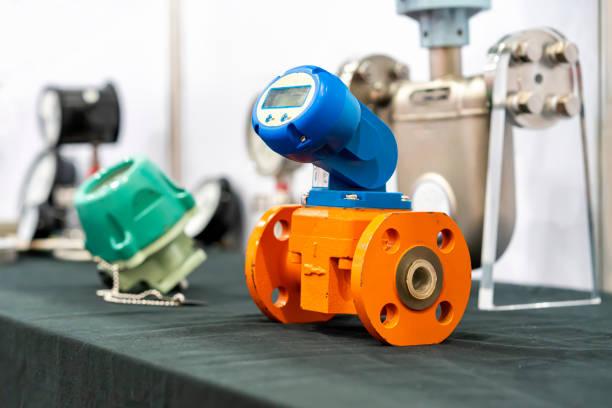
Accurate flow measurement is a cornerstone of efficient process control across industries such as oil and gas, chemicals, pharmaceuticals, food processing, and energy generation. Selecting the right flow measurement technology has a direct impact on product quality, safety, regulatory compliance, and operating costs. Among the many technologies available, mass flow meters and turbine meters are frequently compared due to their widespread industrial use. While both serve important roles, Mass Flow Meters offer distinct advantages that make them particularly valuable in demanding and modern process environments.
Understanding the Fundamental Difference in Measurement Principles
The most important distinction between these two technologies lies in what they measure. Turbine meters measure volumetric flow by detecting the rotational speed of a turbine placed in the flow stream. Mass flow meters, by contrast, measure the actual mass of fluid passing through the system, independent of changes in temperature, pressure, or density.
This fundamental difference influences nearly every aspect of performance, accuracy, and reliability.
Volumetric Measurement and Its Limitations
Turbine meters rely on fluid velocity to rotate an internal rotor. The rotational speed is then converted into a volumetric flow rate. This approach works well when fluid properties remain stable and operating conditions are tightly controlled.
However, volumetric flow is sensitive to changes in temperature and pressure. Any variation that alters fluid density can affect the accuracy of turbine meters unless complex compensation systems are added.
Mass-Based Measurement for Process Precision
Mass flow meters, including Coriolis and thermal technologies, directly measure mass flow. Because most industrial processes depend on mass rather than volume for chemical reactions, blending, and custody transfer, this measurement approach aligns more naturally with process requirements.
By measuring mass directly, mass flow meters eliminate the need for additional density compensation, simplifying system design and improving reliability.
Accuracy and Stability Across Changing Conditions
One of the most significant benefits of mass flow meters is their ability to maintain high accuracy under fluctuating operating conditions.
Performance Under Temperature and Pressure Variations
In real-world industrial environments, temperature and pressure rarely remain constant. Turbine meters can experience noticeable measurement drift when fluid properties change, even slightly. This drift requires correction factors or auxiliary sensors to maintain accuracy.
Mass Flow Meters remain accurate because mass flow does not change with temperature or pressure. Whether measuring gases in a chemical plant or liquids in a pharmaceutical process, the mass-based approach ensures consistent results without ongoing recalibration.
Long-Term Measurement Reliability
Because turbine meters rely on moving parts, mechanical wear can gradually reduce accuracy. Bearings, shafts, and turbine blades are subject to erosion, fouling, and fatigue, especially in abrasive or contaminated fluids.
Mass flow meters typically have no moving parts in contact with the fluid. This design results in greater long-term stability and reduced performance degradation, making them well suited for continuous operation.
Maintenance Requirements and Operational Downtime
Maintenance considerations play a critical role in total cost of ownership and system availability.
Reduced Mechanical Wear
Turbine meters require regular inspection and maintenance to ensure that the rotor spins freely and accurately. Any buildup of debris or corrosion can cause sticking or uneven rotation.
Mass flow meters avoid these issues entirely. With fewer mechanical components exposed to the process fluid, maintenance intervals are longer, and the likelihood of unexpected failure is significantly reduced.
Lower Lifecycle Costs
While mass flow meters may have a higher initial purchase cost, their lower maintenance requirements often result in lower total lifecycle costs. Reduced downtime, fewer spare parts, and less frequent recalibration contribute to long-term savings.
In facilities where process interruptions are costly or safety-critical, this reliability advantage is particularly valuable.
Installation Flexibility and System Integration
The physical installation and integration of flow meters can influence both measurement accuracy and project complexity.
Straight Run Requirements
Turbine meters require long, straight pipe runs upstream and downstream to ensure uniform flow profiles. Disturbances such as elbows, valves, or reducers can introduce turbulence that affects turbine rotation and accuracy.
Mass Flow Meters are far less sensitive to flow profile disturbances. Coriolis meters, in particular, can be installed in compact layouts without extensive straight runs, making them ideal for space-constrained installations.
Simplified Instrumentation Architecture
Because mass flow meters often provide additional measurements such as density and temperature, they can replace multiple instruments in a system. This integration simplifies control architecture and reduces wiring, calibration, and data management complexity.
Turbine meters typically require external sensors to achieve similar functionality, increasing system complexity.
Versatility Across Fluid Types
Another key advantage of mass flow meters is their ability to handle a wide range of fluids.
Liquid, Gas, and Multiphase Capabilities
Turbine meters perform best with clean, low-viscosity liquids. Their performance degrades with viscous fluids, slurries, or gases.
Mass flow meters, depending on technology, can accurately measure liquids, gases, and even some multiphase flows. This versatility makes them suitable for diverse applications, from natural gas measurement to liquid chemical dosing.
Handling Changing Fluid Properties
In industries where fluid composition changes over time, turbine meters may require recalibration or correction factors. Mass Flow Meters adapt automatically, maintaining accuracy without manual intervention.
This adaptability is particularly beneficial in batch processing, blending operations, and research environments.
Measurement Integrity and Process Control
Direct Support for Mass-Based Control Strategies
Most industrial control strategies are mass-based. Chemical reactions, material balances, and quality control systems depend on precise mass flow data.
By providing direct mass measurement, mass flow meters eliminate conversion errors and improve control loop performance. Turbine meters, measuring volume, introduce an additional layer of calculation that can reduce responsiveness.
Improved Product Quality and Consistency
Consistent flow measurement directly affects product quality. Variations in ingredient ratios or feed rates can lead to off-spec products or waste.
Mass Flow Meters deliver the precision needed to maintain tight control tolerances, supporting high-quality and repeatable production outcomes.
Safety and Regulatory Compliance
Accurate flow measurement is often a regulatory requirement, particularly in custody transfer, emissions monitoring, and pharmaceutical manufacturing.
Compliance With Industry Standards
Mass flow meters are widely accepted for applications requiring traceability and high accuracy. Their ability to provide stable, repeatable measurements supports compliance with stringent regulatory standards.
Turbine meters can meet regulatory requirements but often require additional validation and compensation systems.
Enhanced Process Safety
Accurate mass flow measurement improves safety by ensuring that correct quantities of materials are introduced into a process. This is especially critical when handling hazardous chemicals or combustible gases.
Mass flow meters provide fast, reliable feedback that enables rapid response to abnormal conditions.
Data Quality and Digital Integration
Modern industrial systems increasingly rely on digital communication and advanced analytics.
Advanced Diagnostics and Monitoring
Mass Flow Meters often include built-in diagnostics that monitor sensor health, process conditions, and measurement integrity. These features support predictive maintenance and reduce the risk of undetected failure.
Turbine meters generally offer limited diagnostic capabilities, focusing primarily on pulse output.
Compatibility With Smart Systems
Mass flow meters integrate seamlessly with digital control systems, offering high-resolution data and multiple communication protocols. This compatibility supports automation, data analytics, and optimization initiatives.
Conclusion: Why Mass Flow Meters Offer a Strategic Advantage
When comparing mass flow meters to turbine meters, the benefits of mass-based measurement become clear. Mass Flow Meters provide superior accuracy across changing conditions, reduced maintenance requirements, installation flexibility, and direct alignment with modern process control strategies.
While turbine meters remain useful in specific, well-controlled applications, mass flow meters offer a more robust and versatile solution for complex industrial environments. Their ability to deliver reliable, precise data over long service lives makes them a strategic investment for facilities seeking efficiency, safety, and long-term operational excellence.
By addressing the limitations inherent in volumetric measurement, mass flow meters represent a significant advancement in flow measurement technology, supporting the evolving demands of modern industry.
 Spanish
 English
 Arabic
 French
 Portuguese
 Deutsch
 Turkish
 Dutch
Dutch
 Italiano
 Russian
 Romaian
 Portuguese (Brazil)
 Greek
Greek