

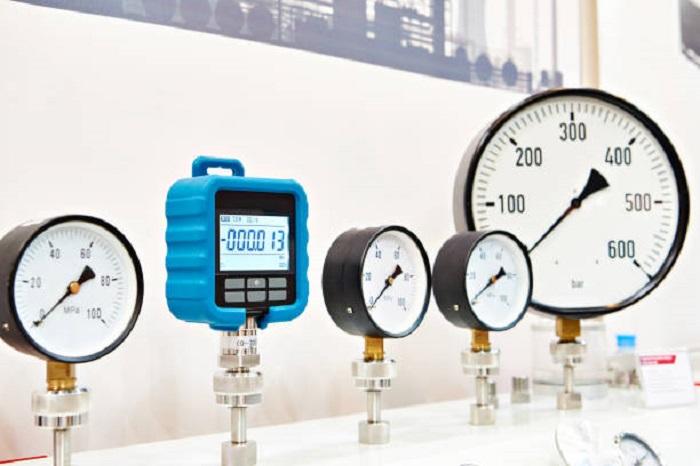
How Does Sensor Technology Affect a Digital Pressure Gauge Performance?

Digital pressure measurement has become a cornerstone of modern industrial, medical, and laboratory systems. As processes demand higher accuracy, faster response times, and better data integration, the performance of a Digital Pressure Gauge is increasingly determined by the sensor technology at its core. While the display, electronics, and housing all contribute to usability, it is the sensor that ultimately defines how reliably pressure is detected, converted, and interpreted. Understanding how sensor technology affects performance is essential for selecting the right gauge and ensuring dependable operation in demanding environments.
The Core Role of Sensors in a Digital Pressure Gauge
A Digital Pressure Gauge operates by converting applied pressure into an electrical signal, which is then processed and displayed numerically. The sensor is the element responsible for detecting physical pressure and translating it into measurable data. The quality, design, and type of sensor directly influence accuracy, stability, repeatability, and durability.
Unlike analog gauges that rely on mechanical deformation alone, digital gauges depend on sensors that interact with electronic systems. This interaction allows for enhanced precision, digital compensation, and advanced diagnostics, but it also means that sensor performance is critical to overall reliability.
Pressure-to-Signal Conversion
At the heart of sensor technology is the conversion process. When pressure is applied, the sensor experiences a physical change, such as deformation, resistance variation, or capacitance shift. This change is then converted into an electrical signal.
The sensitivity of this conversion determines how small pressure changes can be detected. High-quality sensor technology enables finer resolution, allowing a Digital Pressure Gauge to detect subtle variations that might be invisible to less advanced designs.
Types of Sensor Technologies Used in Digital Pressure Gauges
Strain Gauge Sensors
Strain gauge sensors are among the most commonly used technologies in digital pressure measurement. They rely on resistive elements bonded to a diaphragm. When pressure causes the diaphragm to deform, the resistance of the strain gauges changes proportionally.
This technology offers good accuracy and robustness, making it suitable for industrial applications. However, performance depends heavily on material quality, bonding techniques, and temperature compensation.
Capacitive Sensors
Capacitive sensors measure pressure by detecting changes in capacitance caused by diaphragm movement. As pressure is applied, the distance between conductive plates changes, altering capacitance.
These sensors are highly sensitive and well suited for low-pressure applications. In a Digital Pressure Gauge, capacitive sensors provide excellent resolution, but they can be more sensitive to environmental factors such as temperature and contamination.
Piezoelectric Sensors
Piezoelectric sensors generate an electrical charge when subjected to mechanical stress. This technology excels in dynamic pressure measurement, particularly where rapid pressure changes occur.
While piezoelectric sensors offer fast response times, they are less suitable for static pressure measurement over long periods. Sensor selection must therefore align with the intended application.
Impact of Sensor Accuracy on Measurement Performance
Accuracy is one of the most critical performance metrics for a Digital Pressure Gauge. Sensor technology determines how closely measured values reflect true pressure.
High-quality sensors feature precise manufacturing tolerances, stable materials, and advanced calibration techniques. These factors reduce measurement uncertainty and improve confidence in readings, particularly in regulated or safety-critical environments.
Sensor drift over time can degrade accuracy. Advanced sensor technologies minimize drift by using stable materials and incorporating electronic compensation. This ensures that the gauge maintains accuracy across extended service intervals.
Temperature Compensation and Environmental Stability
Thermal Effects on Sensors
Temperature changes can significantly affect sensor behavior. Materials expand or contract, electrical properties shift, and signal output can drift. Without proper compensation, a Digital Pressure Gauge may provide inaccurate readings when ambient or process temperatures vary.
Modern sensor technology incorporates temperature compensation through material selection, sensor design, and digital correction algorithms. These features allow gauges to maintain accuracy across wide temperature ranges.
Resistance to Environmental Stress
Sensors must also withstand environmental challenges such as vibration, humidity, chemical exposure, and pressure cycling. Robust sensor construction enhances durability and reduces the risk of failure.
For example, sensors made from stainless steel or ceramic materials offer superior resistance to corrosion and mechanical stress. This durability directly influences long-term performance and reliability.
Resolution and Sensitivity in Digital Measurement
Resolution refers to the smallest pressure change that a gauge can detect and display. Sensor technology plays a central role in defining this capability.
High-sensitivity sensors produce stronger signals for small pressure changes, allowing finer digital resolution. This is particularly important in applications requiring precise control, such as calibration laboratories or medical devices.
However, increased sensitivity must be balanced against noise. Advanced sensor designs and signal processing techniques help distinguish true pressure changes from electrical interference, enhancing measurement clarity.
Response Time and Dynamic Performance
Sensor Response Characteristics
The speed at which a sensor reacts to pressure changes affects how quickly a Digital Pressure Gauge updates its readings. Fast response times are essential in systems where pressure fluctuates rapidly.
Sensor technology influences response through diaphragm design, material elasticity, and signal processing speed. Thin, responsive diaphragms paired with efficient electronics enable rapid measurement without sacrificing accuracy.
Applications Requiring Fast Feedback
In hydraulic testing, pneumatic systems, and process control, rapid feedback improves safety and performance. Sensors designed for dynamic measurement ensure that the gauge keeps pace with system behavior.
Slow or overdamped sensors may lag behind actual conditions, creating misleading readings. Selecting appropriate sensor technology prevents such issues.
Long-Term Stability and Calibration Requirements
Sensor Aging and Drift
Over time, sensors can experience changes in material properties, bonding integrity, or electrical characteristics. This aging process can lead to drift, where readings gradually deviate from true values.
Advanced sensor technologies mitigate drift through stable materials, protective coatings, and digital compensation. These features extend calibration intervals and reduce maintenance costs.
Calibration Confidence
Calibration accuracy depends on sensor linearity and repeatability. High-quality sensors respond consistently across the pressure range, simplifying calibration procedures.
A Digital Pressure Gauge with superior sensor technology maintains predictable behavior, ensuring that calibration remains valid and traceable to standards.
Integration With Digital Electronics
Signal Conditioning and Processing
Sensor output must be conditioned and processed before display. Modern sensors are designed to integrate seamlessly with digital electronics, producing clean, stable signals.
This integration improves noise rejection, enhances accuracy, and enables additional features such as data logging and communication interfaces.
Smart Sensors and Diagnostics
Some advanced Digital Pressure Gauge designs incorporate smart sensors with built-in diagnostics. These sensors monitor their own health, detect faults, and alert users to potential issues.
Such capabilities enhance system safety and reduce downtime by enabling proactive maintenance.
Application-Specific Sensor Selection
Different applications place different demands on sensor technology. High-pressure industrial systems, low-pressure laboratory environments, and medical devices each require tailored sensor characteristics.
Understanding how sensor technology affects performance allows informed selection. Matching sensor type to pressure range, environment, and dynamic requirements ensures optimal gauge performance.
A Digital Pressure Gauge is only as effective as its sensor. Choosing the right technology enhances reliability and measurement confidence.
Conclusion: Sensor Technology as the Foundation of Performance
Sensor technology is the defining factor in the performance of a Digital Pressure Gauge. From accuracy and resolution to response time and durability, the sensor determines how effectively pressure is measured and interpreted.
Advances in sensor materials, design, and digital integration have transformed pressure measurement, enabling greater precision and reliability than ever before. By understanding the relationship between sensor technology and gauge performance, users can select instruments that meet their operational demands and maintain confidence in their measurements.
As applications continue to evolve, sensor innovation will remain central to the effectiveness of digital pressure measurement. The performance of a Digital Pressure Gauge ultimately reflects the sophistication and suitability of the sensor at its core.


