
What Sets French Animated Movies Apart from Japanese Animation?

Animation has evolved into a global art form, yet different regions have developed distinct philosophies, aesthetics, and storytelling traditions. Two of the most influential animation cultures are France and Japan. While Japanese animation, often grouped under the broad label of anime, has achieved immense global visibility, French Animated Movies have carved out a unique artistic identity that distinguishes them clearly from their Japanese counterparts. These differences are not merely stylistic but are rooted in cultural history, narrative priorities, production models, and views on animation as an art form.
Historical and Cultural Foundations
The French Animation Tradition
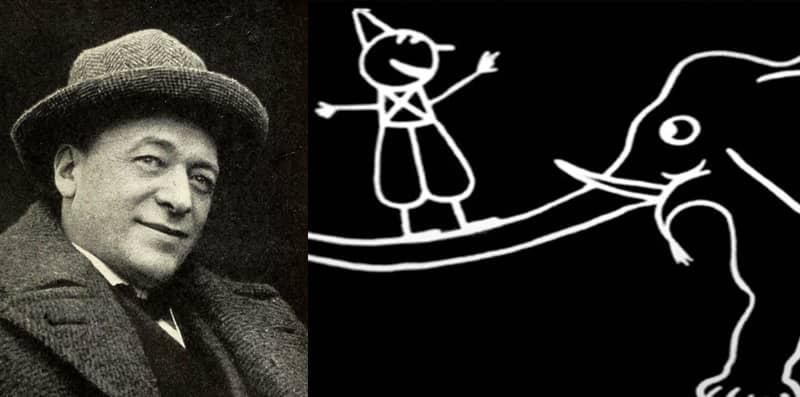
French animation has deep roots in early cinematic experimentation. France was home to pioneers such as Émile Cohl, whose work laid the groundwork for animation as a visual art rather than solely commercial entertainment. This legacy has shaped a national attitude that treats animation as an extension of fine art, literature, and auteur cinema.
French Animated Movies are often developed within a cultural framework that values artistic expression, philosophical inquiry, and personal vision. State funding, cultural institutions, and animation schools such as Gobelins have reinforced this perspective, encouraging filmmakers to prioritize originality and experimentation over formulaic success.
Japanese Animation and Popular Culture
Japanese animation developed in a different cultural environment, one closely tied to mass media, serialized storytelling, and popular entertainment. Influenced by manga culture and post-war industrial production models, anime often emphasizes genre conventions, long-form narratives, and recognizable visual tropes.
While Japanese animation can be deeply artistic and philosophically complex, it generally operates within a commercial ecosystem that rewards audience loyalty, franchising, and stylistic continuity. This contrast in cultural foundation plays a crucial role in differentiating the two traditions.
Visual Aesthetics: Artistic Individualism vs. Codified Style
Visual Diversity in French Animated Movies
One of the most striking qualities of French Animated Movies is their visual diversity. Films such as The Triplets of Belleville, Persepolis, and Ernest & Celestine each employ radically different visual languages. Character designs, color palettes, and animation techniques are often tailored specifically to the story being told rather than adhering to a house style.
French animators frequently draw inspiration from illustration, painting, graphic novels, and European art movements. Hand-drawn textures, minimalist line work, and unconventional proportions are common, reinforcing the idea that each film is a standalone artistic statement.
Visual Consistency in Japanese Animation
Japanese animation, by contrast, is often immediately recognizable. Large expressive eyes, stylized hair, and specific approaches to motion and framing have become hallmarks of anime. Studios such as Studio Ghibli, Madhouse, or Toei Animation maintain strong internal consistency, which helps build brand identity and audience familiarity.
While this codification does not preclude innovation, it creates a visual grammar that audiences expect. French Animated Movies, in comparison, frequently challenge viewers by offering unfamiliar or deliberately subversive aesthetics.
Narrative Philosophy and Storytelling
Intimate and Reflective Narratives in French Animation
French Animated Movies tend to favor introspective storytelling. Themes such as memory, identity, alienation, social class, and existential uncertainty are common. Films like Persepolis explore personal and political identity through a deeply subjective lens, while I Lost My Body uses fragmented narrative structure to reflect emotional dislocation.
Storylines often resist clear moral binaries or conventional resolutions. Ambiguity is embraced, and silence or visual metaphor may carry as much weight as dialogue. This approach reflects European arthouse cinema traditions more than mainstream animation.
Expansive and Mythic Storytelling in Japanese Animation
Japanese animation frequently excels at expansive narratives, whether epic fantasy, science fiction, or long-running coming-of-age stories. Films such as Spirited Away or Akira build intricate worlds governed by mythological or speculative logic.
While emotional depth is central to many anime films, the narratives are often more plot-driven and externally focused than those found in French Animated Movies. The Japanese approach tends to emphasize transformation through adventure, conflict, or supernatural encounter, whereas French animation often emphasizes internal psychological change.
Treatment of Audience and Age
Animation as an All-Ages Art Form in France
In France, animation is widely regarded as a medium rather than a genre. As a result, French Animated Movies frequently target adult audiences without hesitation. Films addressing political trauma, mortality, or social critique are not considered unusual within animated form.
This cultural acceptance allows French filmmakers to explore mature themes without relying on fantasy or allegory. Animation becomes a tool for realism, subtlety, and emotional nuance rather than escapism alone.
Demographic Segmentation in Japanese Animation
Japanese animation is more explicitly segmented by audience demographic, such as children, teenagers, or adults. While this system enables tailored storytelling, it can also impose structural expectations on narrative pacing, character archetypes, and thematic focus.
French Animated Movies are less constrained by demographic labels, which contributes to their experimental tone and thematic unpredictability.
Production Models and Creative Control
Auteur-Driven Creation in French Animation
Many French Animated Movies are shaped by a strong auteur presence. Directors often retain creative control over script, visual design, and tone. The production process can be lengthy, with emphasis placed on artistic coherence rather than speed or market trends.
Public funding and international co-productions allow French filmmakers to take creative risks that might not be commercially viable in more market-driven systems.
Studio-Centered Production in Japan
Japanese animation often relies on studio pipelines and collaborative production structures. While visionary directors exist, projects frequently involve multiple stakeholders, including publishers, broadcasters, and merchandise partners.
This system excels at producing consistent output and large-scale franchises but can limit experimentation. French Animated Movies, by contrast, often prioritize singular vision over scalability.
Use of Sound, Music, and Silence
Subtle Soundscapes in French Animated Movies
Sound design in French animation frequently favors restraint. Music may be sparse, atmospheric, or used ironically rather than emotionally directive. Silence is often employed to create introspection or tension.
For example, The Illusionist uses minimal dialogue, allowing visual storytelling and ambient sound to convey emotional depth. This understated approach reinforces the contemplative nature of many French Animated Movies.
Expressive Scores in Japanese Animation
Japanese animation often features prominent musical scores and expressive sound design. Music plays a central role in guiding emotional response, from sweeping orchestral themes to stylized pop songs.
This difference reflects broader cultural approaches to emotional expression, with French animation favoring subtle implication and Japanese animation embracing heightened emotionality.
Conclusion: Two Traditions, Two Artistic Philosophies
What ultimately sets French Animated Movies apart from Japanese animation is not a matter of quality but of philosophy. French animation emphasizes individual artistic expression, narrative ambiguity, and animation as a cinematic art form equal to live-action cinema. Japanese animation, while equally rich and diverse, tends to emphasize genre mastery, visual continuity, and expansive storytelling shaped by popular culture.
Both traditions offer profound contributions to global animation, yet they invite audiences to engage in different ways. French Animated Movies often ask viewers to reflect, interpret, and sit with uncertainty, while Japanese animation frequently invites immersion in richly imagined worlds. Together, they demonstrate the remarkable versatility of animation as a medium capable of expressing the full range of human experience.


