

How Do American Crime Movies Reflect Cultural Anxiety?

American crime movies have long served as a cinematic mirror for collective fears, moral uncertainties, and social tensions. While these films often appear to focus on criminals, detectives, and violent acts, their deeper significance lies in how they dramatize anxieties rooted in specific historical moments. From postwar paranoia to fears of urban decay, systemic corruption, and psychological fragmentation, American Crime Movies translate abstract cultural unease into gripping narratives and unforgettable images. By examining their themes, characters, and stylistic choices, it becomes clear that crime cinema is not merely entertainment but a cultural barometer that reveals what society fears most at a given time.
Crime Cinema as a Reflection of Social Unease
Crime films thrive in periods of instability. Their popularity often rises when trust in institutions weakens and when social norms appear fragile.
Why Crime Narratives Capture Anxiety
Crime stories are inherently concerned with transgression and order. They ask what happens when rules are broken and whether justice can truly be restored. In American culture, where ideals of law, freedom, and individual responsibility are deeply ingrained, crime narratives become especially effective vehicles for expressing doubt about whether those ideals still function.
American Crime Movies externalize anxiety by transforming invisible fears into visible conflicts. Corruption, violence, and moral ambiguity allow audiences to confront unsettling questions within the safety of fiction.
The Relationship Between Fear and Identification
Viewers often identify not only with heroes but also with criminals or morally conflicted characters. This identification reflects cultural uncertainty about authority, success, and identity. Crime films blur moral boundaries, mirroring societies unsure of where those boundaries lie.
American Crime Movies as Cultural Pressure Valves
American Crime Movies operate as cultural pressure valves, releasing collective anxiety by staging conflicts that audiences intuitively recognize from real life. Through suspense and confrontation, these films allow viewers to process fear, anger, and disillusionment without directly experiencing them.
This function helps explain why crime cinema adapts so fluidly to changing historical contexts.
Postwar Paranoia and Film Noir
One of the earliest examples of crime cinema reflecting cultural anxiety can be found in classic film noir.
Fear of Moral Collapse
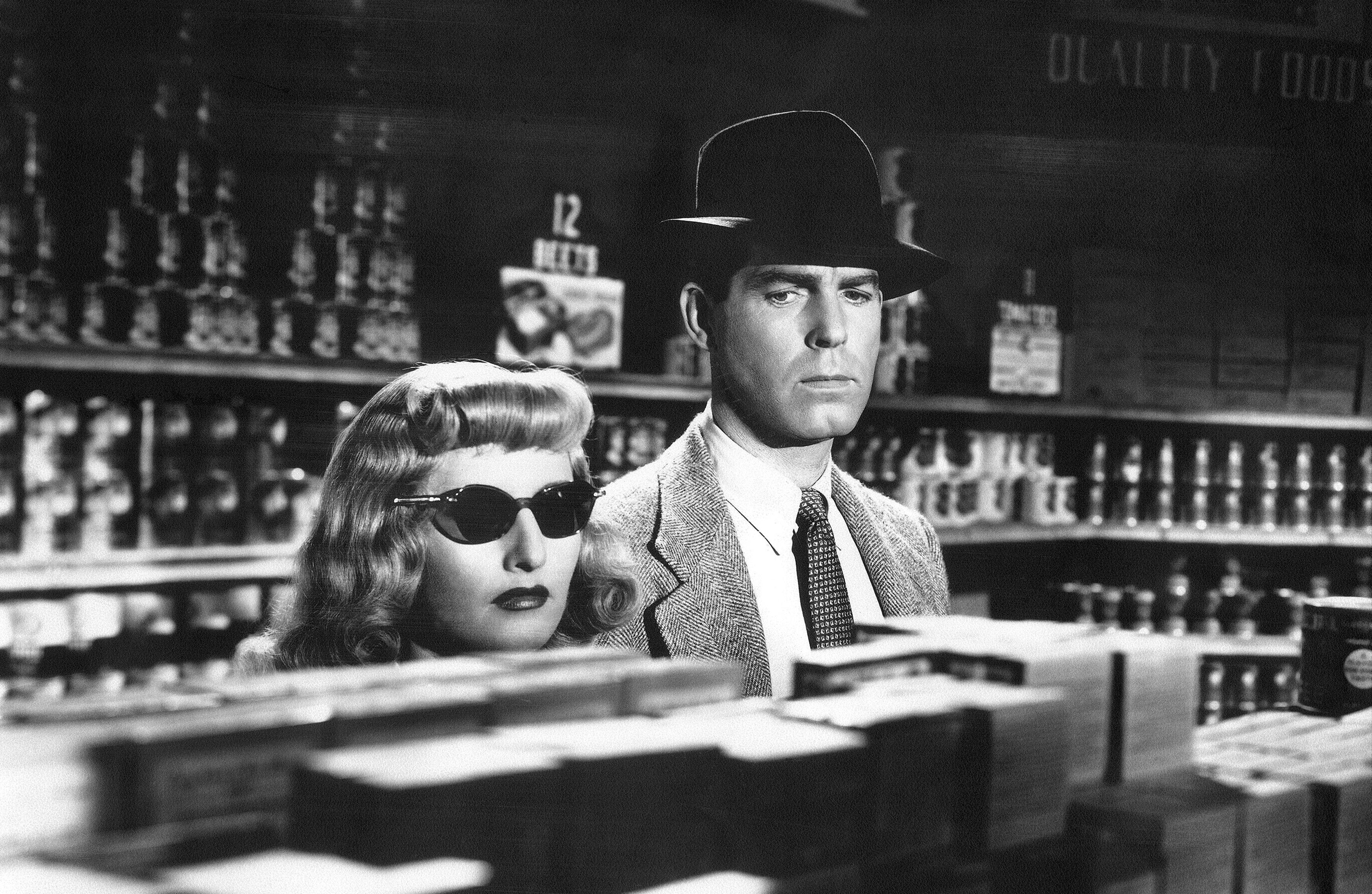
Films such as Double Indemnity and The Big Sleep emerged in the aftermath of World War II, when optimism coexisted with deep psychological scars. These movies depicted shadowy urban landscapes, corrupt institutions, and protagonists trapped by fate.
The anxiety reflected here was not simply about crime but about moral decay. American Crime Movies of this era suggested that beneath prosperity lay betrayal and existential dread.
Distrust of Authority and Institutions
Law enforcement in noir films is often ineffective or compromised. This portrayal echoed growing skepticism toward authority during a time of political tension and social change.
Crime narratives thus became expressions of doubt about whether justice was truly attainable.
Urban Decay and Social Breakdown in the 1970s
By the 1970s, American Crime Movies shifted focus toward urban chaos and social fragmentation.
Cities as Symbols of Anxiety
Films like Taxi Driver and Serpico presented cities as hostile environments filled with crime, corruption, and alienation. These depictions reflected fears about rising crime rates, racial tension, and the breakdown of community.
Urban landscapes became symbolic battlegrounds where cultural anxieties about modern life were played out.
The Lone Individual Against the System
Protagonists in these films often operate outside traditional authority structures. Their isolation mirrors a cultural sense of abandonment by institutions meant to protect citizens.
American Crime Movies during this period questioned whether systems designed to uphold justice had instead become part of the problem.
The Rise of the Criminal Antihero
Later decades saw increased fascination with criminals as central figures rather than mere antagonists.
Anxiety About Success and Morality
Films such as Scarface and Goodfellas portray criminals who achieve material success while sacrificing moral integrity. These stories reflect anxieties about the cost of the American Dream.
American Crime Movies began to ask whether ambition itself was corrupting, suggesting that crime was not an aberration but an extension of capitalist values taken to extremes.
Seduction and Consequence
While these films often glamorize power and excess, they also emphasize downfall and emptiness. This duality mirrors cultural ambivalence about wealth, status, and ethical compromise.
The audience is invited to feel both attraction and repulsion, reinforcing unresolved tension.
Psychological Anxiety and Internal Conflict
Modern American crime films increasingly focus on psychological rather than purely external threats.
The Mind as Crime Scene
Movies such as Se7en and Zodiac emphasize obsession, trauma, and moral exhaustion. Violence is less about spectacle and more about psychological impact.
This shift reflects cultural anxiety about invisible threats, including mental illness, randomness, and loss of meaning.
Moral Ambiguity and Ethical Uncertainty
Detectives and investigators are often morally compromised, suggesting that even those tasked with enforcing order are not immune to darkness.
American Crime Movies here express anxiety about whether good and evil can still be clearly distinguished.
Crime and Systemic Anxiety in Contemporary Cinema
Recent crime films increasingly address systemic issues rather than individual wrongdoing.
Institutional Failure and Inequality
Films such as The Departed and Prisoners explore corruption, moral compromise, and the inadequacy of legal systems. Crime becomes a symptom of broader societal failure rather than isolated deviance.
These narratives reflect anxieties about inequality, injustice, and eroding trust in public institutions.
Surveillance and Loss of Privacy
Modern crime films also engage with fears of surveillance and control. Technology appears as both tool and threat, symbolizing anxiety about autonomy in an increasingly monitored society.
American Crime Movies thus adapt to contemporary concerns while maintaining core thematic tension.
Violence as Cultural Expression
Violence in crime cinema is rarely gratuitous; it often carries symbolic weight.
Fear of Chaos and Disorder
Violence represents the breakdown of social norms and the fragility of order. Its depiction reflects fears that civilization itself is unstable.
Crime films dramatize this fear while simultaneously offering narrative containment through resolution or moral reckoning.
Catharsis and Confrontation
By confronting violence on screen, audiences experience a form of catharsis. Crime films allow confrontation with fear rather than denial.
This function reinforces their cultural relevance during periods of heightened anxiety.
The Role of Law Enforcement and Justice
Portrayals of police and justice systems reveal evolving attitudes toward authority.
From Heroic Protectors to Flawed Figures
Early crime films often depicted law enforcement as heroic. Over time, portrayals have grown more complex and critical.
This evolution reflects anxiety about power, accountability, and abuse within institutions.
Justice as Uncertain Outcome
Modern American Crime Movies frequently end without clear resolution, reinforcing the idea that justice is incomplete or compromised.
Such endings mirror cultural uncertainty about fairness and moral closure.
Cultural Memory and Crime Cinema
Crime films contribute to collective memory by shaping how certain eras are remembered.
Historical Trauma and Representation
Films set during specific periods reinterpret real events through dramatic narrative. These representations influence how societies process trauma and fear.
American Crime Movies thus participate in ongoing cultural dialogue about history and responsibility.
Enduring Relevance of Crime Narratives
The continued popularity of crime films suggests that cultural anxiety remains a constant, evolving force.
As long as societies grapple with fear, inequality, and moral ambiguity, crime cinema will remain relevant.
Conclusion
American Crime Movies reflect cultural anxiety by transforming collective fears into compelling narratives of transgression, justice, and moral uncertainty. From postwar paranoia to contemporary concerns about systemic failure and psychological instability, these films capture the emotional undercurrents of their times. Through shadowy cities, conflicted characters, and unresolved endings, American Crime Movies provide insight into what society fears, questions, and struggles to understand. Far from being mere entertainment, they function as cultural documents that reveal how anxiety shapes storytelling, identity, and the ongoing search for order in an uncertain world.


