

How Do The Primetime Emmy Awards Influence the Creative Direction of TV?

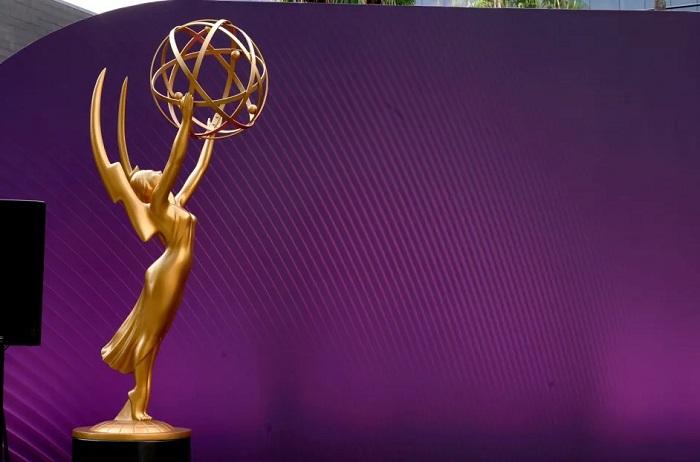
The Primetime Emmy Awards, one of the most prestigious honors in the entertainment industry, have long served as a symbol of excellence in television. While they are first and foremost a celebration of individual and collective achievement, the influence of the Emmys extends far beyond the awards ceremony itself. By recognizing outstanding performances, writing, and production, the Emmys not only reward creativity but also significantly impact the creative direction of the television industry.
In this article, we will explore how the Primetime Emmy Awards influence the creative choices behind TV shows, from the rise of new genres and themes to the direction of talent and storytelling. We will also look at how Emmy nominations and wins shape the career trajectories of writers, directors, actors, and producers, and ultimately, how they steer the industry toward innovation and reinvention.
The Primetime Emmy Awards as a Platform for Innovation
Encouraging Risk-Taking in Content Creation
One of the most profound effects of the Primetime Emmy Awards is their ability to incentivize risk-taking in content creation. Television, like any other form of entertainment, thrives on new ideas and fresh approaches. The Emmys have historically honored shows that push boundaries—whether through innovative storytelling, diverse representation, or bold narrative structures. As such, the awards serve as a litmus test for what is considered groundbreaking, prompting producers and creators to explore new ideas that could potentially land them a nomination or win.
The success of shows like Game of Thrones and Breaking Bad has exemplified how the Emmys can validate creative risk-taking. These series took traditional genres—fantasy and crime dramas—and revolutionized them with complex characters, unpredictable plots, and morally ambiguous themes. Breaking Bad, for example, turned a humble high school chemistry teacher into one of the most iconic antiheroes in television history. The series not only garnered critical acclaim but also shaped the creative direction of future dramas, encouraging a new era of complex characters and long-form storytelling.
Similarly, shows like Fleabag and Atlanta redefined the boundaries of comedy and drama. With their unconventional narrative structures and complex emotional depth, these series demonstrated that television could blend genres and tackle topics such as mental health, grief, and racial identity in ways that resonated with a global audience. The success of these shows at the Primetime Emmy Awards highlighted the demand for riskier, more experimental content, encouraging other creators to follow suit and explore more niche or unorthodox themes.
Creating a Demand for New Genres and Themes
The Primetime Emmy Awards also play a significant role in shaping the kinds of genres and themes that gain popularity on TV. When a show is recognized with nominations or wins in major categories, it signals to the industry and audiences that certain types of content are in demand. For example, the rise of anthology series, such as True Detective and American Horror Story, gained momentum in part because of the Emmy recognition these shows received. These shows challenged traditional storytelling formats by offering self-contained stories each season, often with unique stylistic flourishes and unconventional narratives. The Emmys were pivotal in establishing these shows as not only viable but also critically acclaimed forms of television.
In recent years, there has also been an increased focus on diversity and inclusion in TV programming. The success of shows like Pose, Killing Eve, and Master of None, which tackle issues related to LGBTQ+ identities, racial diversity, and gender equality, has helped foster a broader, more inclusive representation of society. The Emmys, by honoring these shows, have reinforced the idea that television audiences are ready for more diverse narratives. The recognition of diverse voices at the Emmys encourages other creators to explore stories that reflect the complexity of the modern world, thus driving more inclusive content across the industry.
The Primetime Emmy Awards and the Shaping of Talent
Elevating Careers and Encouraging Diversity of Talent
The Primetime Emmy Awards not only recognize outstanding TV shows but also elevate the careers of individuals involved in the production. When a writer, director, actor, or producer wins or is nominated for an Emmy, it can dramatically increase their visibility and open doors for future projects. The recognition provided by the Emmys serves as a powerful stamp of approval, signaling to networks and production companies that these individuals have proven their talent and are worthy of larger or more prestigious projects.
For example, actors like Bryan Cranston (Breaking Bad) and Viola Davis (How to Get Away with Murder) saw their careers skyrocket after winning Emmy Awards. Their performances, initially appreciated by a smaller audience, gained widespread recognition after they received nominations and wins, which helped attract a more mainstream following. For writers and directors, an Emmy nomination or win can mean better opportunities and higher budgets for future projects.
Moreover, the Emmys have increasingly become a platform for celebrating talent from diverse backgrounds. The nomination of non-white actors, such as Sterling K. Brown (This Is Us) and Sandra Oh (Killing Eve), has helped spotlight the need for greater representation of marginalized groups in television. By recognizing talent from a variety of ethnicities, cultures, and sexual orientations, the Emmys help push for more inclusive hiring practices, encouraging networks and studios to think beyond the traditional Hollywood elite. This ongoing trend is helping to diversify the kinds of stories told on television, influencing future programming to reflect a broader spectrum of experiences and voices.
Changing the Roles of Women in Television
Another way the Primetime Emmy Awards influence the creative direction of TV is by recognizing the work of women both in front of and behind the camera. Over the years, women have increasingly been acknowledged for their contributions to television, whether as actresses, writers, producers, or directors. The rise of female-driven narratives, such as The Crown, Big Little Lies, and Killing Eve, shows how the Emmys have supported the demand for complex, nuanced portrayals of women’s lives.
The recognition of women in leadership roles within the industry has had a direct impact on the kinds of shows being produced. Female showrunners, such as Shonda Rhimes (Grey’s Anatomy), Lena Dunham (Girls), and Phoebe Waller-Bridge (Fleabag), have used their platforms to tell stories that reflect women’s experiences and perspectives. The Emmy Awards have played a critical role in legitimizing these voices, giving them the opportunity to share their stories with larger audiences. This shift has expanded the creative direction of TV by opening up new spaces for women’s voices in genres traditionally dominated by male creators, including drama, comedy, and action.
The Primetime Emmy Awards and Industry Trends
Influencing Network and Streaming Choices
In the modern age of television, where streaming services like Netflix, Amazon Prime, and Hulu dominate alongside traditional networks, the Primetime Emmy Awards have influenced the kinds of shows that gain a foothold with these platforms. Winning or even being nominated for an Emmy can propel a show to a wider audience, driving subscriptions to platforms that host such content.
Streaming platforms, in particular, have embraced the Emmys as a way to legitimize their programming. Shows like The Crown and Stranger Things on Netflix, The Marvelous Mrs. Maisel on Amazon, and The Handmaid’s Tale on Hulu have all been boosted by Emmy recognition, showing that streaming services are no longer just competing with traditional networks but are influencing the types of content being produced. This shift has pushed network executives to adapt, with more major studios developing their own streaming platforms, further diversifying the creative direction of TV.
The Role of Social Media and Fan Engagement
In recent years, the Primetime Emmy Awards have also become a barometer for fan engagement and social media buzz. Shows that are nominated for major awards often see a spike in popularity, with fans rallying behind their favorite shows, actors, and directors. This social media engagement can influence how shows are promoted and the types of content that are greenlit by studios. In this way, the Emmys not only reflect public opinion but help shape the creative direction of TV by highlighting the shows and talent that resonate most with audiences.
Conclusion: The Lasting Impact of the Primetime Emmy Awards on TV
The Primetime Emmy Awards are far more than a celebration of past achievements; they are a powerful force that helps shape the future of television. By rewarding innovative content, elevating diverse talent, and influencing network and streaming choices, the Emmys play a central role in steering the creative direction of the industry. The recognition that comes with an Emmy nomination or win can open doors for future projects and inspire the next generation of writers, directors, and performers to push the boundaries of what television can achieve. Ultimately, the Primetime Emmy Awards are not just a reflection of excellence; they are a catalyst for ongoing change and innovation in the TV industry.