


How Chinese Romance Movies Portray Complex Relationships
Chinese romance movies have long captivated audiences with their vivid storytelling and rich emotional depth. These films often depict not only the beauty of love but also the complexities, struggles, and contradictions inherent in relationships. Unlike the often idealized portrayals of love found in some Western cinema, Chinese romance movies tend to present a more nuanced understanding of love—one that reflects both cultural expectations and personal desires, as well as the intricate dynamics between individuals.
This article delves into how Chinese romance movies portray complex relationships, examining how these films explore themes such as familial expectations, individual identity, societal pressures, and the tension between tradition and modernity. By focusing on key films and characters, we will analyze how the genre navigates the emotional and social intricacies of romantic relationships and offers a more multi-dimensional perspective on love.
The Intersection of Love and Family Expectations
Familial Duty vs. Romantic Desire
In many Chinese romance movies, the concept of familial duty often clashes with personal romantic desires, creating a complex tension that drives the narrative. Love is not just about two individuals finding happiness together; it is frequently shaped by the weight of family expectations, which play a significant role in shaping the choices of the protagonists.
One of the most prominent themes in Chinese romance films is the expectation that individuals will marry within their social class or adhere to traditional roles dictated by their families. For example, films like The Wedding Banquet (1993), directed by Ang Lee, depict the struggle of a gay man torn between his family’s wish for him to marry a woman and his desire to live authentically with his partner. This film reflects how love in the Chinese context is not simply a matter of two people falling in love, but a balancing act of navigating cultural norms, maintaining familial respect, and coming to terms with one's own identity. The tension between duty and personal happiness becomes a focal point of many Chinese romance movies, often creating emotionally charged conflicts that reveal the complexities of human connection.
The Role of Tradition in Shaping Relationships
In traditional Chinese culture, marriage is often seen as a union not just between two individuals but between families, communities, and even social classes. Chinese romance films explore this idea extensively, illustrating how deeply entrenched cultural values can influence the formation and maintenance of romantic relationships.
For instance, in films like Crouching Tiger, Hidden Dragon (2000), directed by Ang Lee, love and romance are deeply intertwined with ideas of honor, duty, and sacrifice. The characters’ relationships are shaped by the weight of societal expectations, particularly those imposed on women. The female characters, in particular, struggle with balancing their desires for personal fulfillment with the need to fulfill roles dictated by family and society. The film, while rooted in martial arts action, emphasizes the emotional complexity of love, revealing how personal desires must often be suppressed for the sake of greater societal obligations.
Individual Identity and Romantic Relationships
Self-Discovery Through Love
Many Chinese romance movies also emphasize the role of romantic relationships in personal self-discovery. These films explore how love can serve as a catalyst for individuals to understand their own identities, desires, and values. Love, in this context, is not just a form of emotional attachment; it becomes a journey of self-realization and personal transformation.
In In the Mood for Love (2000), directed by Wong Kar-wai, the protagonists, played by Tony Leung and Maggie Cheung, develop a deep emotional connection as they discover the complexity of their own feelings of loneliness, longing, and desire. Although the characters never fully act on their feelings due to societal pressures and their respective marriages, their relationship becomes a profound exploration of their own identities and the way in which love challenges their perceptions of themselves. Through their connection, both characters are forced to confront the unfulfilled aspects of their lives, using their relationship as a mirror to understand their own emotional needs and desires.
Love as a Means of Liberation
In many Chinese romance films, love is portrayed as an avenue for liberation—whether from the confines of tradition, societal expectation, or personal limitations. Romantic relationships often function as a means by which characters can break free from external constraints and pursue their personal happiness.
A prime example of this theme can be seen in The Love Eterne (1963), a classic film directed by Li Han-hsiang. This film presents the story of a young woman who disguises herself as a man in order to pursue her love for another woman. The film explores the powerful theme of love as a force capable of transcending traditional gender roles and the restrictions of a rigid, patriarchal society. Here, the relationship not only becomes a personal journey but also serves as a symbol of resistance against societal norms.
In this way, Chinese romance movies often reflect the ongoing tension between individual desires and collective cultural expectations, portraying love as both a tool for self-expression and a vehicle for defiance.
The Complexities of Modern vs. Traditional Love
Love in the Modern Age
In recent years, Chinese romance films have increasingly focused on the tension between traditional values and the rapidly changing social and cultural landscape of modern China. As Chinese society becomes more globalized and urbanized, the traditional views on love and relationships have started to shift, creating a new set of complexities for the characters in these films.
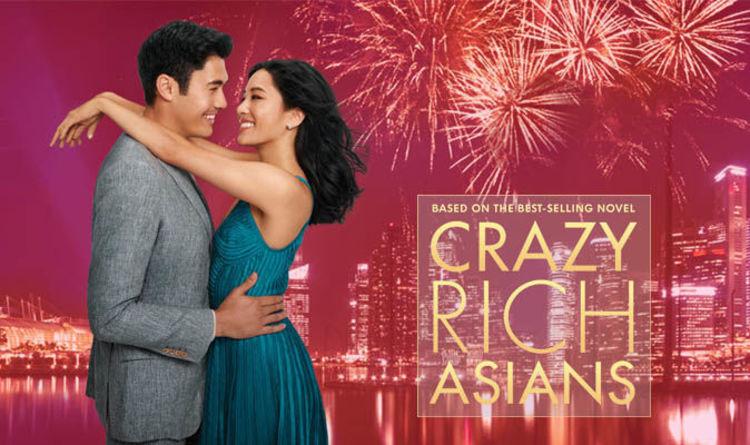
Movies such as Crazy Rich Asians (2018) and Somewhere Only We Know (2015) explore how modern love is often shaped by the pressures of globalization, consumerism, and the desire to balance personal ambition with romantic fulfillment. These films juxtapose the emotional depth of traditional love with the materialistic and individualistic values of modern society. In these films, relationships are no longer solely defined by family approval or societal norms, but are also influenced by personal success, financial status, and individual freedom.
The characters in these films often struggle with reconciling their desires for personal happiness with the demands placed on them by their families, career ambitions, and the cultural expectations of the modern world. This creates a tension that adds layers of complexity to the romantic narrative, making the relationships depicted in these films much more multifaceted.
The Return to Tradition
Despite the influence of modernity, many Chinese romance films also explore the ways in which traditional love stories continue to shape contemporary relationships. These films often draw on historical narratives or folklore to tell stories of love that transcend time, suggesting that despite the social and cultural shifts, certain aspects of love remain universal.
For example, The Last Emperor (1987) tells the story of Pu Yi, the last emperor of China, and his complicated relationship with his concubine, a reflection of the power dynamics that shaped historical Chinese romance. In this film, love is depicted as something that is not only personal but also profoundly shaped by political power and royal tradition, further complicating the relationship between the characters. While the story takes place in a historical context, the themes of love, power, and duty are universal and resonate with contemporary viewers.
Conclusion: The Enduring Complexity of Love in Chinese Romance Movies
Chinese romance movies offer a rich and nuanced portrayal of the complexities inherent in human relationships. By exploring themes such as familial expectations, the search for personal identity, societal pressures, and the tension between modern and traditional values, these films reveal how deeply love is intertwined with cultural and social contexts. In many ways, Chinese romance films challenge the viewer to rethink the nature of love, portraying it not as a simple or idealized experience but as a deeply layered and often conflicted journey. Through compelling characters and intricate storylines, these films continue to explore the mysteries of human connection, offering a poignant reflection on love in both its most personal and universal forms.
By examining how love is experienced in the context of complex cultural and emotional landscapes, Chinese romance movies provide a powerful lens through which we can better understand the human condition. Whether set in the past or the present, these films offer an insightful commentary on the enduring power of love to shape lives, challenge conventions, and navigate the intricate web of personal, familial, and societal expectations.

 English
 Arabic
 French
 Spanish
 Portuguese
 Deutsch
 Dutch
Dutch
 Italiano
 Russian
 Romaian
 Portuguese (Brazil)
 Greek
Greek