


How Do the 10 Commandments Promote Honesty?
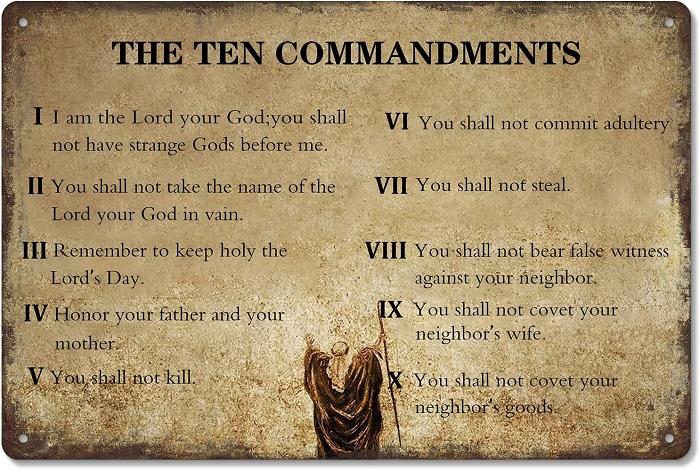
The 10 commandments stand at the center of biblical moral teaching. They give direct guidance for personal conduct. They also form the foundation for community ethics in ancient Israel. One of their most important themes is honesty. This theme appears in speech, in actions, and in attitudes of the heart. Scripture shows how honesty strengthens relationships. It also shows how honesty forms a stable society. In this article I explain how the 10 commandments promote honesty. I examine several commandments. I explore how they shape character. I show how they guide communities toward truth and fairness. I use simple clauses. I offer clear structure through headings and subheadings.
Honesty as a Foundation of Covenant Life
The moral purpose of the commandments
The 10 commandments were given as part of a covenant. The covenant joined God and His people. It required trust between them. It also required trust among people. Honesty was therefore essential. The commandments promote honesty by protecting truth. They set limits. They restrain harmful actions. They encourage loyal hearts. They show that truthfulness reflects the character of God.
Truth as a requirement for community stability
Ancient Israel depended on trust. Farmers, judges, elders, and families needed truthful communication. False information could destroy a person’s life. Deceit could harm trades, marriages, and property rights. The 10 commandments cultivate honesty so society can function. They teach that truth protects relationships. They show that truth keeps the community strong. Without honesty, the covenant would break. The commandments therefore shape daily life around integrity.
The Ninth Commandment and Verbal Truthfulness
You shall not bear false witness
The ninth commandment speaks directly about honesty. It teaches that people must not bear false witness. In its original context, it concerns legal settings. A witness in court could determine guilt or innocence. A false statement could take property. It could destroy a reputation. It could even cost a life. The commandment therefore protects justice. It demands accuracy. It forbids lies that harm another person.
Broader applications of truthful speech
The commandment extends beyond courts. It calls for truthful speech in daily life. It tells people to avoid slander. It tells them to avoid gossip. It also calls for fairness when describing others. The commandment shapes honest communication. It helps people speak carefully. It protects the dignity of the neighbor. It reminds the community that God hears every word. This awareness encourages sincere speech. It discourages deception.
The Eighth Commandment and Honesty in Property
You shall not steal
The eighth commandment promotes honesty in actions. It forbids stealing. Stealing is a form of dishonesty with property. It breaks trust. It undermines social bonds. The commandment teaches that people must respect what belongs to others. It also teaches that truth matters in economic dealings. Honest trade requires clear terms. It requires accurate weights. It requires fair exchange. The commandment forms the basis of economic integrity.
Respect for boundaries and fair dealings
The commandment invites people to be transparent. It encourages honesty in contracts. It supports truthful work practices. It creates a culture where people trust each other in trade. When the commandment is followed, buyers and sellers know the agreement is fair. Neighbors feel safe. Workers feel secure. Employers act with fairness. The broader result is a society shaped by trust and honesty.
The Seventh Commandment and Truth in Relationships
You shall not commit adultery
The seventh commandment speaks to fidelity. It aims to protect the marriage bond. It also promotes honesty within relationships. Marriage requires trust. Adultery breaks that trust. It carries deception. It damages families. It creates dishonesty that spreads through emotional life.
Honesty as the core of covenant love
When the commandment is honored, couples practice transparency. They keep promises. They speak openly. They build mutual trust. The commandment therefore encourages an honest heart. It prevents secret actions. It affirms truth within the family. In the broader community, this honesty creates stability. Households built on trust contribute to social strength. The seventh commandment therefore supports both relational truth and community health.
The Sixth Commandment and Honesty of Intent
You shall not murder
The sixth commandment appears to concern violence only. Yet it also reflects honesty of intent. Murder often comes from hidden anger. It may come from deceit or secret plans. By forbidding murder, the commandment teaches people to reject hidden harm. It calls for integrity of motive. A person who follows this commandment acts with open intent. They avoid treachery. They reject violent deception.
Truth in inner life
While the commandment is simple, it points to inner truthfulness. It suggests that life flourishes when motives are clear. It hints at the idea that the heart should match the action. This idea appears in later biblical teaching. It strengthens the link between honesty and righteousness. A person who respects this commandment acts with transparent intentions. They do not cloak harm in false words. They live with inward honesty.
The Tenth Commandment and Honesty of Desire
You shall not covet
The tenth commandment addresses desire. Coveting is hidden. It lives in the heart. It is the start of dishonest actions. When a person covets, they want something that belongs to another. This desire can lead to stealing. It can lead to lying. It can lead to adultery. The commandment therefore reaches the root of dishonesty. It warns against inner distortion before it becomes outward sin.
Integrity of the heart
The commandment promotes honesty by shaping desire. It teaches contentment. It asks people to face their motives. It encourages transparency before God. This inner honesty protects others. It also protects the individual from acting on destructive desires. The tenth commandment shows that moral life begins with truth of heart. The 10 commandments therefore train both inner and outer truth.
The Third Commandment and Reverence for Truthful Words
You shall not misuse the name of the Lord
The third commandment deals with sacred speech. It demands reverence for God’s name. It prohibits false oaths. It prohibits careless promises. It rejects the use of God’s name to deceive others. This commandment teaches honesty through reverence. People who respect God’s name speak truthfully. They give words weight. They treat language with care.
How reverence shapes honesty
When the community honors the name of God, their speech becomes disciplined. They avoid exaggeration. They avoid dishonest vows. They speak with sincerity. This promotes honesty in public life and private life. It forms a habit of truthful speech. It shows how holiness influences daily communication.
The Fifth Commandment and Honesty in Authority
Honor your father and mother
This commandment builds trust across generations. Honoring parents includes listening truthfully. It includes speaking honestly. It also involves acting with integrity under authority. Parents teach children moral truth. Children respond with honesty. This two way exchange forms character.
Honesty as the root of stable authority
A society that values truth between generations grows strong. The commandment encourages honest respect. It discourages deceit within the family. This shapes adults who tell the truth. It shapes leaders who act with fairness. It shapes communities that honor justice.
Conclusion
The 10 commandments promote honesty in many ways. They shape truthful speech. They form fair actions. They guard motives. They encourage transparent hearts. They build trust in families, courts, business, and worship. They show that honesty is not only a rule. It is a way of life rooted in covenant loyalty. When a community follows the commandments, it becomes stable. When individuals practice honesty, relationships deepen. The commandments reveal that truth is part of holiness. They remind us that integrity reflects the character of God. Through them, honesty becomes the path to a restored and faithful life.

 English
 French
 Spanish
 Portuguese
 Deutsch
 Turkish
 Dutch
Dutch
 Italiano
 Russian
 Romaian
 Portuguese (Brazil)
 Greek
Greek