


Cupping Massage: A Proven Way to Ease Chronic Pain
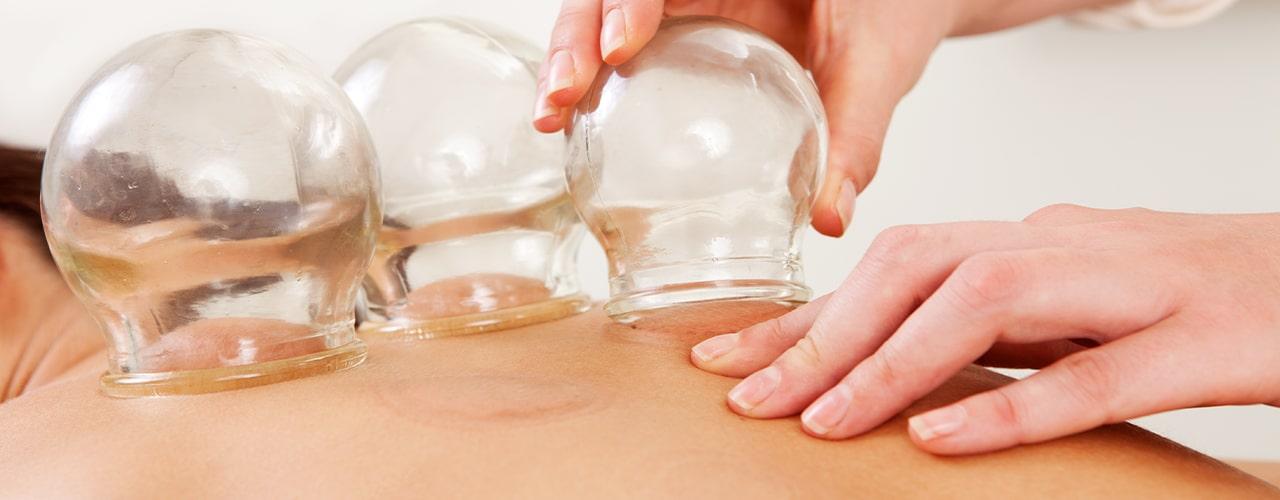
Chronic pain affects millions worldwide, making everyday tasks feel challenging. Among various therapies, Benefits of Cupping Massage have gained attention for their natural and effective approach. This ancient technique uses suction cups to stimulate blood flow, relieve tension, and promote healing in sore muscles. Many patients report reduced pain and increased mobility after consistent sessions.
Unlike standard massages, cupping penetrates deeper tissues, targeting stubborn knots and inflammation. People with back pain, arthritis, or fibromyalgia often find relief when other treatments fail. The therapy also encourages relaxation, supporting overall mental well-being.
Understanding How Cupping Works
Cupping therapy may seem unusual at first glance, but its principles are simple and effective. By creating suction on the skin, cups lift the muscles, increasing blood flow to the treated area. This process helps remove toxins, reduces inflammation, and improves circulation.
Types of Cupping Techniques
There are several cupping methods, including dry cupping, wet cupping, and massage cupping. Dry cupping uses only suction, whereas wet cupping may involve minimal bloodletting for detoxification. Massage cupping combines traditional massage strokes with suction for deeper tissue release.
Benefits for Muscle Recovery
Cupping is especially effective for athletes or those with repetitive strain injuries. By improving circulation, it accelerates recovery, eases muscle stiffness, and reduces delayed-onset muscle soreness. Regular sessions can enhance flexibility and performance over time.
Pain Relief Beyond Muscles
While cupping mainly targets muscular issues, it also helps relieve joint pain, headaches, and even symptoms of respiratory conditions. By stimulating the body’s natural healing processes, it provides a holistic approach to chronic pain management.
Integrating Cupping Into Your Routine
When incorporating cupping into your lifestyle, consider how it complements other health practices. Combining cupping with yoga, stretching, or physical therapy can enhance results and improve overall wellness. The key is consistency and choosing a certified practitioner for safe treatment.
Preparing for a Session
Before your first cupping session, ensure your skin is clean and free from oils or lotions. Communicate any health conditions with your therapist to tailor the session safely. Some individuals may experience temporary bruising, which is a normal response and fades within a few days.
Aftercare Tips
After cupping, hydrate well to support the detoxification process. Gentle stretching and heat therapy can further relax muscles. Avoid heavy workouts immediately after a session to allow your body to fully benefit from the treatment.
Benefits Beyond Physical Relief
Cupping also supports Health and Wellness on a mental level. Many clients report reduced stress and improved sleep after sessions. The relaxing ritual encourages mindfulness and body awareness, enhancing both emotional and physical health.
Choosing the Right Cupping Therapy
Selecting the right type of cupping depends on your needs and comfort level. Consulting with a licensed therapist ensures a safe, personalized approach that maximizes results.
Frequency of Sessions
For chronic pain, weekly sessions may provide noticeable relief. Some individuals benefit from bi-weekly appointments, while others use monthly sessions as maintenance. Frequency should align with your body’s response and therapist recommendations.
Safety Precautions
Cupping is generally safe but may not be suitable for everyone. People with skin conditions, blood disorders, or certain medical conditions should consult a healthcare provider before starting therapy. Pregnant individuals should also seek guidance.
Combining with Other Therapies
Cupping works well alongside acupuncture, chiropractic care, and massage therapy. Integrated approaches can amplify healing and improve mobility, making daily activities more comfortable and pain-free.
FAQs
Q1: Is cupping painful?
A1: Most people feel mild pressure or suction, which may be slightly uncomfortable. Bruising is common but usually fades in a few days. The process is generally well-tolerated.
Q2: How long do cupping results last?
A2: Results vary based on individual conditions and frequency of sessions. Many notice immediate relief, while long-term benefits require consistent treatment over several weeks.
Q3: Can cupping replace traditional medical treatment?
A3: Cupping complements, rather than replaces, conventional care. Always consult a healthcare provider for chronic conditions, and use cupping as a supportive therapy for pain management.
Conclusion
Cupping massage offers a natural, effective way to ease chronic pain while enhancing overall wellness. With its ability to improve circulation, reduce inflammation, and promote relaxation, it serves as a valuable tool in modern pain management. Whether combined with other therapies or used as a standalone treatment, cupping can help individuals regain mobility, reduce discomfort, and support both physical and mental health. By exploring this ancient therapy, you can take proactive steps toward a healthier, more balanced life.
 Italiano
 English
 Arabic
 French
 Spanish
 Portuguese
 Deutsch
 Turkish
 Dutch
Dutch
 Russian
 Romaian
 Portuguese (Brazil)
 Greek
Greek