


Are Skin Tags Contagious? Dermatologists Explain
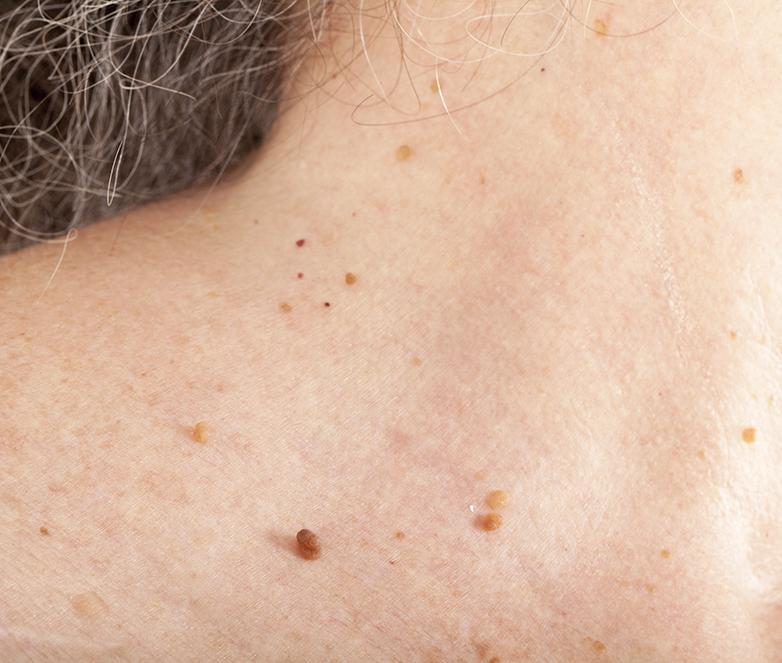
Skin tags are small, soft, benign growths that often appear on the neck, underarms, eyelids, and other areas where skin folds. While generally harmless, they can raise questions about their spread and safety. One common concern people have is: Are Skin Tags Contagious? In this article, we will explore the causes, risks, and treatments of skin tags, and clarify myths surrounding their transmissibility.
What Are Skin Tags?
Skin tags, medically known as acrochordons, are non-cancerous skin growths composed of collagen fibers, blood vessels, and skin cells. They are usually flesh-colored or slightly darker and vary in size from a few millimeters to over a centimeter. While they do not cause pain, they can be bothersome, especially when they rub against clothing or jewelry.
Most skin tags develop due to friction, hormonal changes, aging, and genetic predisposition. Because they are benign, many people choose to leave them alone unless they interfere with daily life or aesthetics.
Common Causes of Skin Tags
Several factors contribute to the formation of skin tags, including:
-
Friction – Skin rubbing against skin in areas like the neck, armpits, and under the breasts can lead to skin tag growth.
-
Obesity – Increased body folds can result in more friction, leading to more skin tags.
-
Hormonal Changes – Pregnancy and other hormonal shifts may trigger the development of skin tags.
-
Genetics – A family history of skin tags can make individuals more prone to developing them.
-
Medical Conditions – Diabetes and metabolic syndromes are associated with higher incidences of skin tags.
While these factors explain why skin tags occur, many people still wonder: Are Skin Tags Contagious?
Are Skin Tags Contagious? The Dermatologist’s Perspective
Dermatologists emphasize that skin tags are not contagious. They are not caused by bacteria, viruses, or fungi, so they cannot spread through touch, contact with surfaces, or personal items like towels. Unlike warts, which are caused by the human papillomavirus (HPV), skin tags develop due to localized skin growth conditions.
Even though skin tags may appear in multiple areas of the body, their presence in different locations is not due to transmission but rather a response to friction, hormonal changes, or genetic factors. Therefore, there’s no need to worry about passing them to family members or friends.
Risk Factors That May Increase Skin Tag Formation
While skin tags are not contagious, certain conditions make some individuals more susceptible. These risk factors include:
-
Age: Middle-aged and older adults are more likely to develop skin tags.
-
Obesity: Excess weight increases friction, promoting growth.
-
Insulin Resistance: Linked to metabolic syndrome, diabetes, and skin tag formation.
-
Hormonal Changes: Pregnancy and endocrine disorders may trigger new skin tags.
Understanding these risk factors can help you manage and prevent the formation of skin tags effectively.
Skin Tags and Overall Health
Although skin tags themselves are harmless, they can sometimes indicate underlying health concerns. Studies suggest a correlation between skin tags and conditions like diabetes, obesity, and metabolic syndrome. Maintaining a healthy lifestyle that includes balanced nutrition, regular exercise, and proper weight management can reduce the likelihood of developing new skin tags.
From a health and wellness perspective, keeping skin tags monitored ensures that any changes in size, color, or number are assessed by a dermatologist. While skin tags are not dangerous, their sudden appearance or rapid growth should be checked to rule out more serious skin conditions.
How to Safely Remove Skin Tags
Many people choose to remove skin tags for cosmetic reasons or to prevent irritation. Dermatologists recommend several safe methods for removal:
-
Cryotherapy: Freezing the skin tag with liquid nitrogen.
-
Excision: Cutting off the skin tag using sterile tools.
-
Ligation: Tying off the base of the skin tag to cut off blood supply, causing it to fall off.
-
Over-the-counter solutions: Some topical treatments can help, but professional consultation is advised.
Avoid home remedies that may cause infection or scarring. Consulting a dermatologist ensures safe, effective removal.
Myths About Skin Tags and Contagion
Several myths persist around skin tags, including:
-
Touching someone with skin tags will give them to you.
-
Skin tags are caused by poor hygiene.
-
They can turn into cancer.
Dermatologists clarify that these myths are false. The question Are Skin Tags Contagious has been thoroughly studied, and no evidence suggests they spread from person to person. Maintaining personal hygiene and monitoring skin health is sufficient to manage skin tags effectively.
Prevention Tips for Skin Tags
While it’s not always possible to prevent skin tags, especially if genetics or age are factors, you can reduce your risk by:
-
Maintaining a healthy weight to minimize friction in skin folds.
-
Wearing loose-fitting clothing to reduce rubbing and irritation.
-
Managing blood sugar levels if you have diabetes or insulin resistance.
-
Keeping your skin clean and dry, especially in areas prone to friction.
These strategies can limit the development of new skin tags and improve overall skin health.
Conclusion
Skin tags are common, harmless growths that often raise concerns due to their appearance. One of the most frequently asked questions is: Are Skin Tags Contagious? Dermatologists confirm that they are not. These growths are caused by friction, hormonal changes, genetics, and certain medical conditions—not by infection or transmission.
Maintaining good health and wellness, monitoring skin changes, and consulting a dermatologist for removal options are the best ways to manage skin tags. By understanding the facts and debunking myths, you can care for your skin confidently without unnecessary worry.

 Arabic
 French
 Spanish
 Portuguese
 Deutsch
 Turkish
 Dutch
Dutch
 Italiano
 Russian
 Romaian
 Portuguese (Brazil)
 Greek
Greek