

You’ll learn how anamorphic zooms differ from standard anamorphic lenses, the technical challenges they face, and examples of both anamorphic primes and zoom designs that filmmakers are excited about today.
Understanding Anamorphic Zoom: A Cinematic Lens Concept
An anamorphic zoom refers to an optical design that combines both anamorphic characteristics and variable focal length capabilities. In traditional cinematography, anamorphic lenses squeeze the image horizontally during capture so that when it is “desqueezed” in post-production, you get a wider aspect ratio without cropping, resulting in that classic widescreen cinematic look filled with oval bokeh and distinctive horizontal flares.
Most anamorphic lenses are fixed focal length (primes), and the anamorphic design is integrated into the lens elements. Anamorphic zooms, on the other hand, aim to combine this cinematic compression with the flexibility of changing focal lengths so filmmakers can zoom in and out without swapping lenses. While true anamorphic zoom lenses exist, they are comparatively rare, complex, and expensive because the anamorphic optical geometry makes internal zoom mechanics difficult to implement.
Why Anamorphic Zoom Is Rare and Technically Challenging
The idea of an anamorphic zoom sounds ideal for filmmakers who want both cinematic aesthetics and zoom versatility. However, the reason these lenses are rare comes down to optical design constraints. The classic anamorphic squeeze is created by adding cylindrical optical elements that compress the horizontal field of view. Integrating that distortion-creating compression with a variable focal length—a core requirement of zoom lenses—requires extremely complex lens geometries, which traditionally leads to large, heavy, and expensive lenses.
There are anamorphic zooms in the cinema world—specialty zoom optics used on major film productions (for example, offerings from Panavision with constant aperture and squeeze across the zoom range). These lenses allow cinematographers to adjust focal length while retaining a consistent anamorphic look, but they remain niche due to cost and size.
True Anamorphic Zoom vs Rear Anamorphic Zoom
When discussing anamorphic zoom, it’s important to distinguish true anamorphic zoom lenses from zoom lenses with anamorphic adapters. True anamorphic zooms have the anamorphic optical elements integrated into the zoom itself, providing classic anamorphic flares, oval bokeh, and characteristic distortion across the zoom range.
By contrast, rear anamorphic zooms are conventional zoom lenses with an anamorphic attachment placed behind the lens. These adapters add horizontal squeeze but often produce less of the traditional anamorphic aesthetic and can introduce optical compromises. While these options are more affordable and less complex, they lack the full visual character that dedicated anamorphic systems provide.
Anamorphic Primes: Popular and Distinct from Anamorphic Zoom
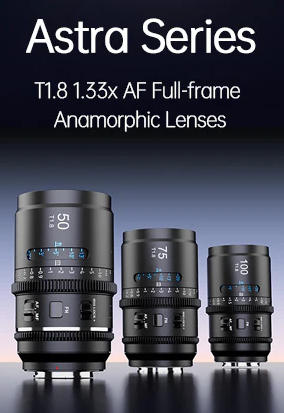
Most anamorphic lenses that creators use today are fixed-focal-length anamorphic primes. For example, SIRUI Saturn 35mm Full-frame Carbon Fiber Anamorphic Lens and similar models compress the horizontal field of view by specified factors (like 1.33×, 1.6×, or 1.8×) to produce extra-wide widescreen imagery with that distinctive anamorphic look.
These anamorphic primes are great for creating cinematic footage because they make the most of the sensor area—allowing filmmakers to capture more horizontal scene information before desqueezing in post-production. But unlike anamorphic zooms, each prime only offers one focal length.
The Future of Anamorphic Zoom in Filmmaking
While anamorphic zoom remains a specialized category, there’s growing interest and development in this space. Innovative optics from companies like Laowa have introduced anamorphic zoom options (e.g., the Nanomorph 1.5× series), showing that variable focal length anamorphic designs can deliver expressive widescreen imagery with dynamic zooming capabilities.
At the same time, mainstream manufacturers continue expanding their anamorphic prime lineups—like the autofocus-enabled anamorphic lenses that are now available from brands including Sirui—which help bridge the gap between traditional prime anamorphic aesthetics and practical usability.
Ultimately, while true anamorphic zoom lenses are still rare and typically found in high-end cinema applications, they represent an exciting frontier in lens technology, offering filmmakers greater creative freedom without sacrificing the classic wideness and visual appeal that anamorphic capture delivers.
Conclusion: Embracing Anamorphic Zoom’s Creative Potential
If you’re exploring ways to elevate your visual storytelling, understanding anamorphic zoom alongside traditional anamorphic lenses can open new creative possibilities. While most filmmakers still rely on anamorphic primes for their characteristic flares and widescreen feel, anamorphic zoom optics show that the future of cinematic lenses could blend flexibility with iconic aesthetics—bringing the extraordinary widescreen look to even more productions. Whether you’re shooting narrative films, documentaries, or cinematic vlogs, anamorphic zoom continues to intrigue and inspire creators around the world.
Anamorphic Zoom: Expanding Cinematic Possibilities with Wider Vision
4 Min. Lesezeit
0
Kommentare
214
Aufrufe
This blog explores what anamorphic zoom means in the context of filmmaking and photography, how it relates to traditional anamorphic lenses, why anamorphic zoom optics are rare and unique, and how they offer creative advantages for cinematic storytelling.


