


How American War Movies Depict the Bonds of Brotherhood
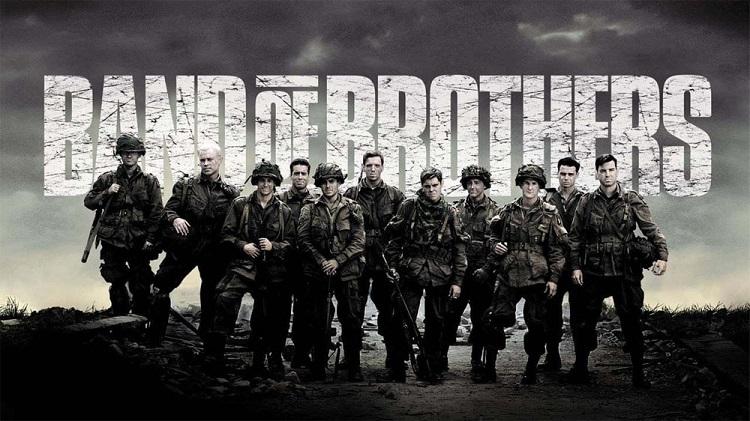
The genre of American War Movies has long used the crucible of battle not only to dramatize military conflict but also to explore the emotional, psychological, and moral dimensions of human relationships. Among these themes, the bond of brotherhood remains the most persistent, compelling, and culturally influential. These films reveal how soldiers form deep connections under extraordinary pressure, transforming war from a geopolitical event into an intimate human narrative. Understanding how brotherhood is portrayed across different eras of filmmaking reveals the ways in which cinema interprets loyalty, survival, and identity amid chaos.
The Foundations of Brotherhood in War Films
The High-Pressure Environment That Forges Unity
American War Movies consistently show that brotherhood is not an incidental byproduct of military life but an inevitable outcome of extreme conditions. Soldiers depend on one another for physical survival and emotional grounding. In films such as Saving Private Ryan, the environment of constant danger compresses timelines for trust-building, allowing strangers to form profound bonds in days or even hours. The battlefield becomes a place where the usual social barriers dissolve, replaced by immediate reliance and shared vulnerability.
This reliance is depicted through moments of crisis—ambushes, nighttime watches, and strategic missions where death seems imminent. Filmmakers emphasize close-up shots, shouted communication, and moments of frantic coordination. These images allow viewers to understand that unity is not abstract; it is developed by necessity.
Shared Suffering as a Catalyst for Connection
Cinematic portrayals of war often return to the idea that mutual hardship unites individuals who might otherwise never cross paths. In films like Platoon, hardship is not just physical but moral, highlighting how soldiers feel isolated from civilian life yet deeply connected to one another. The shared experiences of loss, exhaustion, fear, and disillusionment act as emotional adhesives, binding soldiers together. The bond becomes a coping mechanism, a kind of psychological armor forged in the face of trauma.
Representation Across Eras and Styles
Brotherhood in World War II Films
Stories set during World War II remain some of the most iconic examples of the brotherhood theme. Films like Band of Brothers and The Thin Red Line balance massive war operations with intimate character arcs. Camaraderie is shown in mess halls, foxholes, and battlefield rescues. Directors often contrast moments of comradeship with scenes of extreme violence, highlighting how kindness and unity coexist with brutality.
The cinematic language of these films often employs a mixture of sweeping wide shots to showcase the scale of war, followed by tight, emotionally charged scenes in which soldiers protect, comfort, or mourn one another. These juxtapositions deepen the emotional impact of brotherhood by placing it against the stark backdrop of destruction.
Brotherhood in Vietnam War Cinema
American War Movies set during the Vietnam War frequently portray brotherhood as both authentic and fragile. Films such as Full Metal Jacket and Hamburger Hill emphasize how the confusion and moral ambiguity of the conflict tested relationships between soldiers. These films portray soldiers forming friendships not simply because of patriotism or duty but as a reaction to psychological turmoil and shifting loyalties.
Directors of Vietnam War films often depict characters questioning their purpose, their superiors, and the war itself. In this environment, brotherhood serves as a stabilizing force—something real and trustworthy when ideology seems uncertain. The emotional bonds thus become a response to disillusionment as much as to danger.
Modern War Films and Evolving Depictions
Contemporary war films, especially those set in the Middle East such as The Hurt Locker and Lone Survivor, explore brotherhood through the lens of small-unit cohesion. These films reflect modern military realities in which elite teams operate with precision and deep interpersonal trust. The bonds formed in these stories are often depicted as intensely personal, shaped by advanced training and repeated exposure to life-threatening missions.
Modern cinematography—handheld cameras, muted color palettes, and immersive sound design—brings audiences into the sensory world of soldiers. This stylistic evolution makes the portrayal of brotherhood more visceral and immediate, emphasizing emotional authenticity.
The Emotional Core of Brotherhood
Scenes of Vulnerability and Intimacy
One of the defining characteristics of brotherhood in American War Movies is the portrayal of vulnerability. Contrary to stereotypes about stoic warriors, many films reveal the interior lives of soldiers—fear, doubt, longing, and grief. These emotional exposures become catalysts for deeper bonds.
For example, in Hacksaw Ridge, scenes of soldiers sharing personal stories or confronting moral dilemmas highlight the layers of connection that form beyond tactical cooperation. The willingness to be vulnerable amid violence carries significant emotional weight, reminding viewers that brotherhood is rooted in humanity, not just shared duty.
Loyalty as Moral Compass
Brotherhood in war films often serves as a guiding force, shaping characters’ ethical choices. Soldiers may risk or sacrifice their lives for comrades, not out of obligation but from emotional commitment. In Saving Private Ryan, the decision to protect the final surviving brother of a grieving family transcends military orders, illustrating how personal loyalty can influence strategic decisions.
Such scenes underscore how brotherhood becomes a moral anchor, giving characters purpose even when war feels senseless. It allows filmmakers to explore themes of sacrifice and redemption, positioning camaraderie as a form of resistance against the dehumanizing effects of war.
Cinematic Techniques That Strengthen the Theme
Sound, Silence, and Musical Underscoring
Music in American War Movies frequently amplifies the emotional resonance of brotherhood. Melancholic strings during scenes of loss or soft ambient tones during moments of bonding create a contrast with the explosive chaos of battle. Even silence plays a significant role, especially in scenes of mourning or reflection where the absence of sound heightens emotional intimacy.
Sound design also emphasizes closeness. The rustling of gear, whispered conversations, and labored breathing create an auditory immersion that makes the viewer feel physically and emotionally present.
Visual Framing and the Physicality of Connection
Directors often use framing to highlight togetherness: soldiers huddled in trenches, bodies in formation, hands helping one another climb obstacles. These images visually assert unity in the midst of disarray. The use of medium and close-up shots during conversations helps emphasize emotional connection over spectacle.
Camera movement also plays a key role. Tracking shots that follow groups of soldiers through forests, deserts, or bombed-out cities convey a sense of collective journey. The audience moves with the group, experiencing their challenges alongside them.
Why Brotherhood Continues to Define American War Movies
Cultural Expectations and National Identity
Brotherhood resonates in American cinema because it reflects broader cultural values about loyalty, teamwork, and sacrifice. War films often become myth-making narratives, reinforcing ideals of unity under pressure. Even when films critique war, they rarely critique the emotional solidarity between soldiers.
A Bridge Between Trauma and Meaning
War inevitably involves trauma, destruction, and moral complexity. The depiction of brotherhood allows filmmakers to provide emotional grounding, offering a narrative counterweight that gives meaning to suffering. It helps audiences process the enormity of conflict by focusing on individual relationships rather than geopolitical abstraction.
Conclusion
American War Movies consistently return to the theme of brotherhood because it captures the most human dimension of warfare. Through shared suffering, emotional vulnerability, loyalty, and the instinct to protect one another, soldiers form bonds that transcend circumstance and endure beyond the battlefield. Filmmakers use this theme to explore both the brutality and the beauty of human connection, transforming war stories into rich emotional narratives.
The result is a body of cinema that not only portrays combat but also offers insight into the profound relationships forged within it—relationships that reveal courage, compassion, and the enduring resilience of the human spirit.
 Dutch
Dutch
 English
 Arabic
 French
 Spanish
 Portuguese
 Deutsch
 Turkish
 Italiano
 Russian
 Romaian
 Portuguese (Brazil)
 Greek
Greek