


How French Romance Movies Portray Romance and Desire
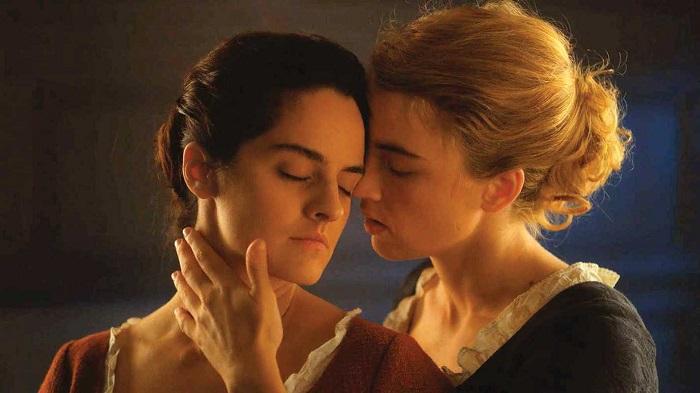
French Romance Movies occupy a distinctive place in global cinema. They explore longing, intimacy, conflict, and emotional vulnerability with rare nuance. They often blend poetic storytelling with psychological realism, creating films that feel both grounded and dreamlike. Many of these films begin not with grand declarations of love but with subtle glances, small gestures, and quiet moments of introspection. Romance emerges slowly. Desire expands through conversation, silence, and shared spaces. French filmmakers treat love as complex, layered, and deeply human. In films like Before Sunset, though directed by an American filmmaker, the Parisian setting allows French cinematic sensibilities to shape the emotional texture. Meanwhile, native productions such as Blue Is the Warmest Colour, Amélie, Portrait of a Lady on Fire, and The Umbrellas of Cherbourg reveal the nation’s rich tradition of exploring desire with artistic intention. These films show how romance can be both passionate and restrained, joyful and melancholic. They demonstrate how French Romance Movies encourage viewers to reflect on love not as fantasy but as emotional truth.
The Emotional Foundations of Romance in French Cinema
Emphasizing Subtlety in Early Attraction
One of the defining characteristics of French Romance Movies is the nuanced depiction of early attraction. Rather than presenting love at first sight as a dramatic event, many French films portray it as a gradual discovery. In Amélie (2001), the protagonist’s attraction to Nino is not a sudden revelation but a quiet curiosity that grows through imagination and observation. The film uses whimsical visuals and gentle humor to express how attraction often develops through fascination rather than spectacle. The audience witnesses a love nurtured by kindness, mystery, and playfulness. This approach emphasizes emotional authenticity and encourages viewers to reflect on how desire often begins with attention to small details.
Exploring Longing Through Silence and Space
Silence plays an essential role in French romantic storytelling. Desire is portrayed not only through dialogue but also through pauses, hesitations, and unspoken thoughts. In Portrait of a Lady on Fire (2019), director Céline Sciamma uses silence to intensify the romantic tension between Marianne and Héloïse. Scenes linger on faces, gestures, and quiet moments of shared presence. This creates space for internal longing to surface. The silence becomes a landscape of desire. It allows the audience to interpret emotional undercurrents and experience the depth of the characters’ connection. French Romance Movies often use visual stillness to reveal passion, showing that desire does not always need words to be understood.
Storytelling Techniques That Shape Romance and Desire
Nonlinear Narratives and Emotional Memory
French Romance Movies frequently experiment with narrative structure, allowing desire to unfold through memories, flashbacks, and shifting timelines. The Umbrellas of Cherbourg (1964) uses musical storytelling and a fragmented timeline to portray a young couple’s love as fragile and deeply affected by circumstance. The film reveals how romantic desire is often shaped by memory and longing rather than immediate gratification. Its bittersweet tone emphasizes how love may endure even when life changes. By incorporating nonlinear elements, French directors invite audiences to reflect on how romance evolves over time and how desire can persist even after separation.
Blending Realism With Poetic Expression
French filmmakers often blend realism and poetic imagery to convey deeper emotional states. Blue Is the Warmest Colour (2013) presents love through an intimate lens, focusing on the emotional growth of its protagonist, Adèle. The film combines everyday realism with intense emotional moments. Scenes are often long and immersive, allowing the audience to experience the raw vulnerability of desire. This blend of realism and poetic intensity creates a portrait of love that feels both expansive and painfully human. The use of color, particularly the recurring presence of blue, symbolizes emotional transitions, illustrating how desire is both an internal and external experience.
Character Dynamics in French Romantic Storytelling
Complex Female Protagonists and Inner Desire
French Romance Movies often feature multi-dimensional female characters who navigate emotional landscapes with self-awareness and nuance. In Amour (2012), although not a traditional romance, the portrayal of devotion between Georges and Anne reveals how desire shifts into tenderness and commitment in later stages of life. Anne’s dignity and humanity shape the emotional structure of the film. In Portrait of a Lady on Fire, both Marianne and Héloïse express their desires not through conventional romantic gestures but through intellectual connection, visual communication, and shared vulnerability. These films emphasize that women in French romance narratives are not passive recipients of desire. They are active agents who express longing, pleasure, conflict, and independence.
Men Navigating Sensitivity and Emotional Complexity
Male characters in French Romance Movies also frequently challenge traditional romantic archetypes. In the Before trilogy, Jesse embodies vulnerability, curiosity, and emotional openness. Although an American man, he is shaped by the French setting and the philosophical tone of French romantic storytelling. His conversations with Céline reveal introspection rather than dominant romantic pursuit. French cinema allows male characters to express doubt, insecurity, and longing without diminishing their emotional strength. This portrayal encourages a broader understanding of masculinity within romantic narratives.
Desire as Transformation
Romance as a Path to Self-Discovery
Many French films portray love not simply as a relationship between two people but as a journey toward understanding oneself. In Amélie, romance inspires Amélie to break free from isolation and engage with the world. Her desire pushes her toward emotional courage. In Blue Is the Warmest Colour, Adèle’s relationship shapes her coming-of-age experience and her understanding of identity, sexuality, and emotional need. Both films portray desire as a process of becoming, showing that love often leads individuals toward growth, clarity, or acceptance.
The Tension Between Passion and Restraint
French Romance Movies often portray the tension between passion and restraint. This tension becomes a key narrative force, shaping the development of relationships. In Portrait of a Lady on Fire, the characters live in a world where their desire must remain hidden. This restraint heightens emotional intensity. Every look, gesture, and moment carries weight. In The Umbrellas of Cherbourg, restraint appears in the form of duty, circumstance, and time. Such films show that desire is not always fulfilled, yet its emotional impact remains profound.
The Aesthetic of Romance in French Cinema
Visual Poetics and Emotional Tone
French filmmakers pay close attention to cinematography when portraying desire. The camera often lingers on faces, hands, or light patterns. In Amélie, vibrant colors and whimsical staging create an atmosphere of possibility. In Portrait of a Lady on Fire, warm tones and natural lighting evoke intimacy and emotional honesty. These visual choices encourage viewers to feel romance as an atmosphere, not merely a plot.
Music and Sound as Emotional Expression
French Romance Movies also use music to express desire. The Umbrellas of Cherbourg famously uses continuous operatic singing to create emotional flow. In more modern films, minimalist scores or moments of complete silence amplify emotional depth. Music becomes a mirror of feeling, intensifying longing or revealing vulnerability.
Conclusion
French Romance Movies portray romance and desire with complexity, subtlety, and artistic sensitivity. They explore emotional journeys through nuanced characters, poetic visuals, and thoughtful storytelling. Rather than relying on formulaic romantic tropes, these films invite viewers to reflect on longing, connection, identity, and the nature of love itself. They show that romance can be quiet or intense, joyful or painful, fulfilled or restrained. Through their unique cinematic language, French Romance Movies continue to inspire audiences by revealing the emotional textures of desire and the transformative power of human connection.

 English
 French
 Spanish
 Portuguese
 Deutsch
 Turkish
 Dutch
Dutch
 Italiano
 Russian
 Romaian
 Portuguese (Brazil)
 Greek
Greek