

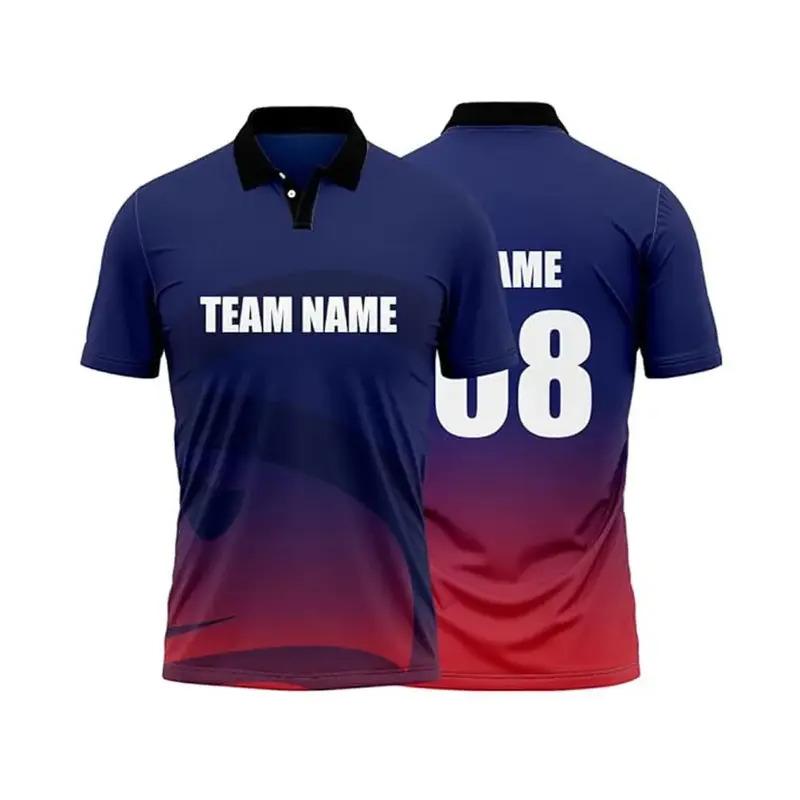
How to Optimize Airflow in Soccer Kits Through Fabric Selection

In modern sportswear design, performance is driven not only by style and durability but also by comfort and functionality. For soccer players, airflow is one of the most critical factors influencing performance on the field. Proper ventilation helps regulate body temperature, manage sweat, and maintain comfort during high-intensity play.
One of the most effective ways to optimize airflow in soccer kits is through strategic fabric selection. Whether working with a clothing exporter from Pakistan or collaborating with global soccer kit suppliers, understanding the role of fabric technology is essential for creating high-performance apparel.
This guide explores how fabric selection impacts airflow and how brands can optimize soccer kits for maximum comfort and efficiency.
Why Airflow Matters in Soccer Kits
Soccer is a physically demanding sport that involves constant movement, sprinting, and endurance. Players generate significant body heat, making temperature regulation essential.
Proper airflow in soccer kits helps:
-
Reduce heat buildup
-
Improve sweat evaporation
-
Enhance overall comfort
-
Prevent fatigue caused by overheating
Leading high quality activewear manufacturers prioritize airflow as a key factor in designing performance-oriented sportswear.
Understanding Breathability in Fabrics
Breathability refers to a fabric’s ability to allow air and moisture to pass through it. Highly breathable fabrics enable better ventilation, keeping players cool and dry.
Factors that influence breathability include:
-
Fiber type
-
Fabric structure
-
Finishing treatments
An experienced custom streetwear manufacturer often incorporates breathable materials into sportswear designs to meet both performance and aesthetic needs.
1. Choosing the Right Fabric Materials
The foundation of airflow optimization lies in selecting the right materials. Certain fabrics naturally offer better ventilation than others.
Common breathable materials include:
-
Polyester: Lightweight and moisture-wicking
-
Nylon: Durable with good airflow properties
-
Mesh fabrics: Designed specifically for ventilation
-
Blended fabrics: Combine strength, stretch, and breathability
Working with reliable soccer kit suppliers ensures access to advanced fabric options that enhance airflow.
2. Incorporating Moisture-Wicking Technology
Moisture-wicking fabrics play a crucial role in airflow by moving sweat away from the skin and allowing it to evaporate quickly.
This process:
-
Keeps the body dry
-
Prevents discomfort
-
Supports temperature regulation
Top high quality activewear manufacturers integrate moisture-wicking technology into their fabrics to improve performance in demanding conditions.
3. Utilizing Mesh Panels for Ventilation
Mesh panels are one of the most effective design features for improving airflow in soccer kits. These panels are strategically placed in high-sweat areas such as:
-
Underarms
-
Back panels
-
Side seams
Mesh fabrics allow air to circulate freely, enhancing ventilation. Many women's sportswear manufacturers use mesh panels to create lightweight and breathable designs tailored to athletes’ needs.
4. Fabric Weight and Construction
The weight and construction of a fabric significantly impact its airflow capabilities. Lightweight fabrics allow better air circulation, while tightly woven materials may restrict ventilation.
Key considerations include:
-
Opting for lightweight fabrics
-
Using open-knit constructions
-
Avoiding overly dense materials
An experienced clothing exporter from pakistan can provide a variety of fabric options that balance durability and breathability.
5. Seamless and Ergonomic Design
Seam placement and garment construction also affect airflow. Seamless designs reduce bulk and allow for better air circulation.
Benefits include:
-
Improved comfort
-
Reduced friction
-
Enhanced ventilation
Collaborating with a custom streetwear manufacturer ensures that design elements support both airflow and performance.
6. Advanced Fabric Finishing Techniques
Modern fabric technologies include finishing treatments that enhance airflow and comfort.
These may include:
-
Anti-moisture coatings
-
Cooling finishes
-
UV protection
A reliable high quality activewear manufacturers partner often integrates these technologies to improve overall garment performance.
7. Stretch and Flexibility for Better Air Circulation
Stretchable fabrics not only improve mobility but also contribute to airflow. Flexible materials adapt to body movement, allowing air to circulate more effectively.
This is particularly important in soccer kits, where constant motion requires garments to move with the body.
Leading soccer kit suppliers use elastane blends to achieve the right balance between stretch and breathability.
8. Gender-Specific Design Considerations
Airflow optimization may vary depending on the target audience. Women’s sportswear, for example, often requires different design approaches to ensure proper ventilation and fit.
Specialized women's sportswear manufacturers focus on:
-
Tailored fit for better airflow
-
Strategic panel placement
-
Lightweight construction
These considerations ensure that all athletes benefit from improved comfort and performance.
9. Sustainability and Breathable Fabrics
Sustainability is becoming increasingly important in sportswear production. Eco-friendly fabrics can also offer excellent breathability.
Sustainable options include:
-
Recycled polyester
-
Organic blends
-
Low-impact dyeing processes
Working with a responsible clothing exporter from pakistan allows brands to incorporate sustainable materials without compromising airflow.
10. Testing and Quality Assurance
To ensure optimal airflow, soccer kits must undergo rigorous testing. This includes evaluating:
-
Breathability performance
-
Moisture management
-
Durability under stress
Partnering with experienced high quality activewear manufacturers ensures that products meet international performance standards.
11. Balancing Style and Functionality
While performance is critical, aesthetics also play a role in sportswear design. Modern soccer kits must combine style with functionality.
Design strategies include:
-
Using contrasting mesh panels
-
Incorporating modern patterns
-
Maintaining a sleek silhouette
A creative custom streetwear manufacturer can help achieve this balance, ensuring that soccer kits are both stylish and functional.
Common Mistakes to Avoid
When optimizing airflow in soccer kits, avoid these common pitfalls:
-
Using heavy or non-breathable fabrics
-
Ignoring moisture-wicking properties
-
Poor placement of ventilation panels
-
Overlooking fabric testing
Working with reliable soccer kit suppliers helps prevent these issues and ensures high-quality results.


