

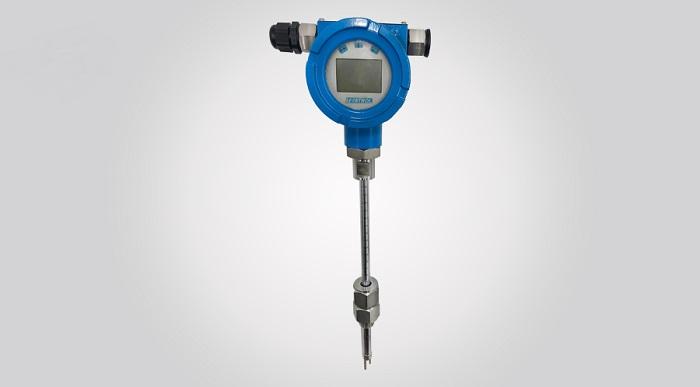
How Do You Maintain Thermal Flow Meters for Optimal Performance?

Maintaining thermal flow meters is essential for ensuring accurate measurement, operational efficiency, and long-term reliability across industrial gas systems. These instruments rely on heat transfer principles to determine flow rate, which makes them sensitive to contamination, temperature fluctuations, and environmental disturbances. Proper maintenance not only extends equipment life but also preserves the precision required in chemical processing, HVAC monitoring, semiconductor production, and environmental emissions applications. Understanding how to care for these meters is therefore vital for engineers, technicians, and system operators.
Understanding the Function of Thermal Flow Meters
How Thermal Flow Measurement Works
Thermal flow meters operate by introducing heat into the gas stream and measuring how quickly the gas carries that heat away. The device typically contains one heated sensor and one reference sensor. As gas moves past the heated element, heat is transferred from the sensor to the gas flow. The rate of heat loss is proportional to the mass flow rate of the gas.
Because thermal flow meters depend on the physical interaction between the gas and the sensor surface, any contamination, buildup, or environmental change can affect heat transfer accuracy. This is why proactive maintenance is crucial.
Why Proper Maintenance Is Essential
These meters provide mass flow readings independent of temperature and pressure variations, but only when they are clean, calibrated, and functioning in stable conditions. Over time, particles, oils, moisture, or corrosive compounds can alter the sensor’s thermal characteristics, leading to drift, reduced sensitivity, or complete measurement failure. Maintenance ensures thermal stability, sensor cleanliness, and accurate heat transfer measurement.
Key Aspects of Maintaining Thermal Flow Meters
Ensuring Sensor Cleanliness
Contamination on the sensor surface is one of the most common causes of performance degradation. Since thermal flow meters rely heavily on direct interaction between the gas and the heated probe, even a thin layer of residue can insulate the sensor. This insulation prevents proper heat dissipation, resulting in misread flow values.
Cleaning frequency depends on the type of gas and its purity. Industrial gases with oil vapors, particulates, or chemical residues require more frequent cleaning. Cleaning procedures must always follow manufacturer recommendations and should use non-abrasive materials to avoid damaging the sensor.
Protecting Sensors from Moisture and Condensation
Moisture affects thermal conductivity, and even small amounts can disrupt accurate readings. Condensation often forms when gas temperature drops or when the system undergoes rapid temperature changes. Moisture entering the sensor chamber can cause temporary drift or permanent damage.
Proper installation strategies such as mounting meters in vertical runs or using condensate traps help prevent moisture accumulation. Scheduled inspections also allow operators to identify moisture-related issues before significant errors occur.
Calibration Practices for Accurate Measurement
Why Calibration Is Necessary
Calibration of thermal flow meters restores the correct relationship between heat transfer and flow rate. Over time, factors such as contamination, sensor aging, or environmental shifts alter this relationship. Without calibration, readings may drift outside acceptable accuracy ranges.
Calibration ensures that the device operates within specified tolerances. Proper calibration must reflect real application conditions, including gas composition, operating temperature, and flow range.
Factory Calibration vs. Field Calibration
Factory calibration involves the use of precise flow standards and controlled environments, producing highly accurate results. However, changes in actual process conditions can still cause deviations over time.
Field calibration allows technicians to adjust the meter while it is installed in the operational environment. This type of calibration is particularly useful when measuring gas mixtures, variable conditions, or custom applications where factory settings may not match real-world behavior.
Both calibration types play essential roles, and maintenance programs typically incorporate periodic factory recalibration supported by shorter-interval field checks.
Installation and Operational Maintenance
Verifying Proper Installation
Maintenance begins even before the meter is put into service. Incorrect installation contributes directly to measurement drift, mechanical stress, or early failure.
Installing thermal flow meters in locations with stable gas flow, minimal vibration, and proper upstream and downstream pipe lengths ensures accurate heat transfer measurement. Systems with excessive pulsation or turbulence can cause unstable readings, requiring additional flow conditioning.
Monitoring Environmental Conditions
Temperature fluctuations, vibration, and humidity influence sensor performance. Operators must regularly inspect surrounding conditions to ensure the instrument remains within acceptable operating ranges.
For high-vibration environments, additional supports or mounting brackets may be necessary. Temperature shielding may also be required in applications exposed to extreme heat or cold.
Preventing Contamination and Build-Up
Addressing Process Gas Purity
Gas purity plays a significant role in meter maintenance. Impurities such as dust, oil vapor, corrosive gases, or particulate matter do not only affect performance but may also shorten sensor life.
Installing filters or purification systems upstream of the meter reduces contamination. In processes involving corrosive gases, corrosion-resistant sensor materials or protective coatings are essential for long-term accuracy.
Routine Inspection and Early Intervention
Regular inspections allow operators to detect problems such as drift, unusual noise, erratic readings, or mechanical wear. Early intervention prevents minor issues from becoming system-wide problems.
Depending on the application, inspections may occur weekly, monthly, or quarterly. High-purity applications often require less frequent checks, while industrial systems with contaminated gases require rigorous inspection schedules.
Software and Electronics Maintenance
Updating Firmware and Diagnostic Tools
Modern thermal flow meters often include digital communication interfaces, diagnostics, and onboard data processing. Keeping firmware up to date ensures compatibility with the latest control systems and improves performance.
Diagnostics can detect sensor faults, temperature instability, or calibration issues early. Integrating these tools into regular maintenance routines greatly enhances reliability.
Checking Electrical Connections
Corrosion, vibration, and environmental exposure can degrade wiring or connectors. Poor electrical connections lead to signal noise, inaccurate readings, or intermittent failures.
Regularly tightening connections, inspecting wiring insulation, and checking grounding reduce these risks significantly.
Troubleshooting Common Performance Issues
Recognizing Symptoms of Sensor Drift
Sensor drift occurs when readings gradually deviate from true values. Drift is often caused by contamination, temperature cycles, or material fatigue.
Symptoms include lower-than-expected sensitivity, inconsistent readings despite stable flow, or deviations from known baseline measurements. When drift becomes noticeable, cleaning and calibration are necessary.
Addressing Zero-Flow Offset Problems
Zero-flow offset occurs when the meter displays a non-zero reading at no flow. This can result from contamination warming the sensor unevenly, electronic interference, or environmental fluctuations.
Performing a zero-flow reset and cleaning the sensor typically resolves the issue. Persistent offsets may indicate deeper calibration problems.
Creating a Long-Term Maintenance Schedule
Establishing Maintenance Intervals
Maintenance intervals must reflect system conditions, gas type, and meter usage. High-contamination industrial settings require frequent cleaning and calibration, while laboratory conditions may require only periodic checks.
Combining regular inspection with predictive diagnostics ensures continuous accuracy and reliability.
Documenting Performance Trends
Recording readings, drift rates, calibration results, and environmental conditions provides insight into the meter’s long-term behavior. These records help predict future maintenance needs and identify unusual trends early.
Comprehensive documentation supports compliance with industry standards and ensures smooth audits and system evaluations.
Conclusion: Maintaining Accuracy Through Proactive Care
Proper maintenance of thermal flow meters is essential for ensuring accurate, stable, and reliable operation in industrial gas-measurement systems. From sensor cleaning and moisture prevention to calibration, installation verification, and environmental management, each aspect of care plays a crucial role in instrument performance. By implementing a structured maintenance program supported by diagnostic monitoring and documented performance trends, operators can extend the life of their meters, enhance system efficiency, and maintain consistent measurement accuracy across all operational conditions.