


What Makes the Baritone Saxophone Unique in Ensembles?
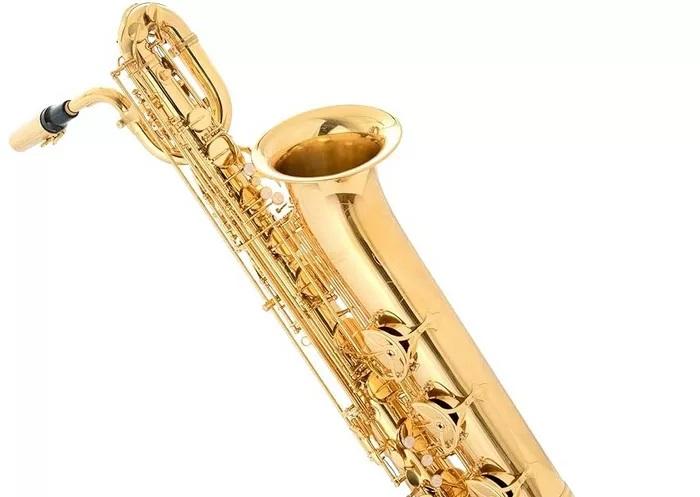
The Baritone Saxophone is one of the most commanding and versatile instruments in the saxophone family, known for its deep resonance, powerful tonal foundation, and unexpectedly agile expressive range. Although often overshadowed by its higher-pitched counterparts such as the alto and tenor saxophones, the baritone occupies a crucial place in ensemble settings. Its presence is not merely supportive; it often shapes the harmonic structure, rhythmic momentum, and overall tonal character of a group. This article explores in detail what makes the Baritone Saxophone stand out, examining its musical functions, acoustic qualities, and evolving role across genres.
The Acoustic Identity of the Baritone Saxophone
The Depth and Resonance of the Low Register
The most defining characteristic of the Baritone Saxophone is its robust lower register. Its pitch range extends far below the tenor saxophone, giving it a distinctive sonority that supports the harmonic structure of ensembles. This deep sound is more than just low; it carries a richness and warmth that fill the musical space, acting almost like a bridge between the woodwinds and the brass.
In orchestral wind groups and jazz bands, the baritone’s tone helps establish a profound lower anchor, blending seamlessly with tubas, bass clarinets, bassoons, and even double basses. The acoustics of the instrument allow it to add weight without overpowering, offering a textured resonance that fills voids left by higher-pitched instruments.
Projection and Power Despite Its Low Range
Unlike many low-register instruments that can struggle with projection, the baritone sax is uniquely capable of carrying its sound across large halls and energetic ensembles. This is due to the saxophone’s conical bore design, which supports consistent tonal distribution across its entire range. Musicians often describe the Baritone Saxophone as possessing a “room-filling presence,” meaning that even at modest dynamics, it creates a sense of depth that enhances the ensemble’s overall volume and balance.
The Functional Role of the Baritone Saxophone in Ensemble Writing
The Harmonic Foundation in Jazz and Big Band Settings
In jazz ensembles, the Baritone Saxophone often takes responsibility for reinforcing chord structure. It commonly doubles the trombone or bass lines, adding strength and clarity to foundational harmonies. When played with the saxophone section, its role becomes even more essential. By holding the lowest part in sax harmonizations, the baritone provides a clear reference for the rest of the section’s voicing.
This harmonic role shapes the timbre of the ensemble. Without the baritone, the saxophone section risks sounding incomplete or top-heavy. With it, the sound gains stability, warmth, and fullness. Jazz arrangers frequently write lines that highlight the baritone, especially during section features or unison passages, because its tone adds a commanding presence that enhances the ensemble’s cohesion.
Rhythmic Drive and Articulation in Contemporary Music
Beyond harmonic duty, the Baritone Saxophone contributes rhythmic definition to a group. In funk, soul, and pop arrangements, it often plays punchy, articulated lines that align with the rhythm section. When paired with electric bass and drums, its staccato phrasing helps lock in grooves and reinforce rhythmic motifs.
In modern horn sections accompanying vocalists, the baritone is often used to energize climactic moments, delivering powerful rhythmic accents that elevate the music’s momentum. Its capacity for aggressive, percussive articulation makes it invaluable in this context.
Expressive Capabilities Beyond Its Size
Agility in Contrary Motion and Fast Passages
Despite its large size, the Baritone Saxophone maintains surprising agility. Skilled players can navigate rapid passages and complex technical lines with remarkable fluidity. This makes the baritone not just a supportive instrument but a potential melodic voice.
Contemporary composers frequently write expressive solos for the baritone because it carries emotional depth that higher saxophones cannot replicate. From soulful ballads to fiery bebop runs, it showcases expressive nuance that challenges common assumptions about low-register instruments.
Tone Color Variety Across Dynamic Levels
What makes the Baritone Saxophone especially compelling is its range of tone colors. At low dynamics, it produces a soft, velvety whisper that enriches quiet ensemble textures. At medium dynamics, it blends effortlessly, adding substance without prominence. At high dynamics, it becomes bold and commanding, capable of soaring above a full ensemble.
This dynamic flexibility allows it to serve multiple roles, from subtle background shading to powerful solo statements. Its tone can be smooth and lyrical or gritty and aggressive, depending on the genre and the performer’s approach.
The Baritone Saxophone Across Musical Genres
A Key Voice in Jazz and Big Band Tradition
Jazz history is filled with legendary baritone players who elevated the instrument to iconic status. Musicians such as Gerry Mulligan, Harry Carney, and Pepper Adams demonstrated that the baritone is not merely a section anchor but a legitimate solo voice capable of shaping the genre’s sound.
Its ability to provide both harmonic support and melodic leadership makes it indispensable in jazz ensembles. It acts as the glue that binds saxophone sections together and gives weight to brass-heavy arrangements.
Expanding Roles in Classical and Wind Ensemble Music
In classical settings, the Baritone Saxophone offers unique contributions to wind ensembles and contemporary orchestral pieces. Composers appreciate its ability to link the bass and tenor voices within woodwind sections. Its sound blends beautifully with bassoons, euphoniums, and lower clarinets, creating rich tonal layers in modern compositions.
Although rarely featured in older orchestral literature, modern composers exploit its expressive range to emphasize texture, harmony, and thematic contrast. Its inclusion in wind ensemble settings has become increasingly prominent, offering composers new colors to explore.
Ensemble Identity and the Baritone Saxophone’s Artistic Importance
A Stabilizing Timbre That Shapes Overall Ensemble Sound
The presence of the Baritone Saxophone significantly influences the ensemble’s tonal character. It acts as a stabilizing timbre, ensuring that harmonies feel complete and that rhythmic sections maintain firm grounding. Ensembles without a baritone often sound noticeably thinner, lacking the depth and warmth that define a full-bodied group sound.
A Voice of Character, Weight, and Distinction
Beyond technical roles, the baritone brings character to music. Its unique timbre adds emotional weight, authority, and dimension. Whether delivering a solitary melodic line, punctuating rhythmic hits, or blending into lush harmonic textures, the Baritone Saxophone offers a sonic identity that transforms the ensemble’s expressive possibilities.
Conclusion
The Baritone Saxophone stands out in ensembles because of its rare combination of depth, power, agility, and expressive nuance. It provides harmonic grounding, rhythmic drive, and tonal balance while possessing the versatility to shine as a solo voice. Across jazz, classical, and contemporary genres, the baritone enriches ensemble sound in ways few other instruments can match. Its commanding presence and unique tonal profile ensure it remains an essential and irreplaceable voice in musical groups around the world.

 English
 Arabic
 French
 Spanish
 Portuguese
 Deutsch
 Dutch
Dutch
 Italiano
 Russian
 Romaian
 Portuguese (Brazil)
 Greek
Greek