

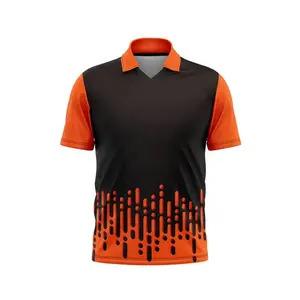
The Evolution of Polo Shirts from Sportswear to Luxury Fashion

Polo shirts are among the most versatile and timeless garments in modern fashion. What began as a practical sports uniform has transformed into a global fashion essential worn by athletes, professionals, celebrities, and luxury fashion enthusiasts alike. Over the decades, polo shirts have evolved far beyond their athletic roots, becoming symbols of sophistication, comfort, and premium style.
Today, polo shirts are found everywhere—from golf courses and tennis courts to luxury fashion runways and streetwear collections. Their unique ability to blend elegance with casual comfort has helped them maintain relevance through changing fashion trends.
As fashion markets continue to expand, many clothing manufacturers are adapting polo shirt production to meet growing demand for modern fits, premium fabrics, and fashion-forward styling. Understanding the evolution of polo shirts offers valuable insight into how sportswear became a defining part of luxury and contemporary fashion culture.
The Early Origins of Polo Shirts
The history of polo shirts dates back to the late 19th century, when athletes needed more comfortable clothing for sports activities. Traditional formal shirts were restrictive and impractical for movement, especially during outdoor sports like tennis and polo.
Early polo players in India wore long-sleeved cotton shirts during matches, but these garments lacked flexibility and breathability. The modern polo shirt concept emerged when tennis players began experimenting with softer fabrics and shorter sleeves to improve comfort and mobility.
French tennis legend René Lacoste played a major role in revolutionizing the design. Dissatisfied with stiff tennis attire, he introduced a short-sleeved cotton shirt with a soft collar and button placket. This design quickly gained popularity because it allowed athletes to move more freely while maintaining a polished appearance.
The simplicity and practicality of the polo shirt laid the foundation for its long-term success in both the sportswear and fashion industries.
Polo Shirts Become a Sportswear Essential
Throughout the mid-20th century, polo shirts became strongly associated with elite sports such as tennis, golf, and polo. Athletes appreciated their lightweight construction, breathable fabrics, and comfortable fit.
The rise of televised sports also contributed to the growing popularity of polo shirts. Audiences saw professional athletes wearing stylish yet functional apparel, which influenced mainstream fashion trends.
Sports clubs and country clubs adopted polo shirts as part of their dress culture. This helped the garment develop a reputation for sophistication and status while still being casual enough for everyday wear.
As demand increased, many wholesale sports apparel manufacturers expanded their production capabilities to supply sports teams, retailers, and fashion brands with various polo shirt styles.
The Shift from Athletic Wear to Casual Fashion
By the 1970s and 1980s, polo shirts had moved beyond sports environments and entered mainstream casual fashion. Their smart-casual appearance made them ideal for social gatherings, office wear, and weekend outfits.
Unlike ordinary T-shirts, polo shirts offer a more refined look without sacrificing comfort. The collared design created a polished appearance, while the soft cotton fabrics maintained ease of wear.
This balance between elegance and practicality made polo shirts appealing across different age groups and fashion preferences. Men and women alike began incorporating polos into their daily wardrobes, contributing to the garment’s global popularity.
Fashion brands also recognized the commercial potential of polo shirts and started experimenting with new colors, embroidery, fits, and fabrics to attract wider audiences.
Polo Shirts Enter Luxury Fashion
Luxury fashion houses eventually embraced polo shirts because they aligned perfectly with modern lifestyle fashion. Consumers wanted clothing that looked sophisticated while remaining comfortable and versatile.
Luxury brands elevated polo shirts by introducing premium materials such as Egyptian cotton, silk blends, and high-quality knit fabrics. Tailored fits, detailed stitching, and subtle branding transformed the simple sports garment into a luxury staple.
Designer polo shirts became associated with exclusivity, wealth, and refined taste. Celebrities, business professionals, and influencers frequently wear polos as part of smart-casual styling trends.
Minimalist branding also played a major role in luxury polo fashion. Instead of oversized graphics, many luxury brands focused on subtle logos, embroidered details, and clean silhouettes.
Today, even a basic polo shirt can represent premium craftsmanship when produced with superior materials and advanced garment construction techniques.
The Influence of Streetwear on Polo Shirt Trends
Modern streetwear culture has significantly influenced the evolution of polo shirts. Oversized fits, bold color blocking, vintage-inspired designs, and relaxed silhouettes have reshaped traditional polo styling.
Younger consumers now view polo shirts as versatile street fashion pieces rather than formal sportswear. Many brands collaborate with a custom streetwear manufacturer to create unique polo collections that combine athletic heritage with modern urban aesthetics.
Streetwear-inspired polos often feature:
-
Oversized cuts
-
Dropped shoulders
-
Heavyweight fabrics
-
Minimalist embroidery
-
Retro-inspired color palettes
This fusion of luxury and streetwear has helped polo shirts remain relevant in highly competitive fashion markets.
Fabric Innovation in Modern Polo Shirts
One of the biggest reasons polo shirts continue evolving is fabric innovation. Modern consumers demand clothing that offers both performance and comfort.
Traditional cotton polo shirts remain popular, but many brands now use advanced performance fabrics that improve moisture control, stretch, durability, and breathability.
Performance polos are especially important in activewear and athleisure markets. Many ladies gym wear manufacturer companies are integrating polo-inspired designs into women’s fitness and lifestyle apparel collections.
Some common modern polo fabrics include:
-
Organic cotton
-
Polyester blends
-
Stretch pique fabrics
-
Bamboo textiles
-
Moisture-wicking performance knits
Sustainable fabric development is also becoming increasingly important as consumers prioritize environmentally responsible fashion choices.
Polo Shirts and Gender-Neutral Fashion
Another reason for the continued success of polo shirts is their adaptability to gender-neutral fashion trends. The clean structure and universal styling of polo shirts make them suitable for diverse audiences.
Oversized polos, neutral color palettes, and minimalist branding have become particularly popular among younger consumers seeking inclusive fashion styles.
Many modern brands now design polo shirts using unisex sizing and relaxed silhouettes to appeal to broader markets.
This shift reflects changing consumer preferences toward versatile clothing that prioritizes comfort and individuality over traditional fashion rules.
The Role of E-commerce in Polo Shirt Popularity
E-commerce has accelerated the growth of polo shirt fashion worldwide. Online shopping allows brands to showcase various fits, materials, and styling combinations to global audiences.
Polo shirts perform exceptionally well online because they are easy to style, photograph, and market across different demographics.
Social media platforms also play a major role in influencing polo fashion trends. Influencers frequently pair polos with sneakers, trousers, denim, and layered streetwear outfits, making them highly adaptable for content creation and visual branding.
As online demand increases, many polo shirt manufacturer companies are focusing on premium quality control, customization options, and flexible production methods to support global e-commerce businesses.
Sustainability and the Future of Polo Fashion
Sustainability is shaping the future of the apparel industry, including polo shirt manufacturing. Consumers increasingly seek durable garments that offer long-term value instead of fast-fashion disposability.
Fashion brands are now investing in ethical sourcing, eco-friendly fabrics, and responsible production methods to meet changing consumer expectations.
High-quality polo shirts naturally align with sustainability goals because they are timeless garments designed for repeated use across multiple seasons.
Manufacturers producing premium polos are also adopting environmentally conscious practices such as:
-
Water-saving dyeing techniques
-
Organic cotton sourcing
-
Recycled fabric integration
-
Reduced packaging waste
This focus on sustainability is expected to further strengthen the position of polo shirts in luxury and casual fashion markets.
Why Polo Shirts Continue to Thrive
Polo shirts have survived changing fashion eras because they successfully combine style, comfort, and functionality. Few garments offer the same level of versatility across sportswear, business casual, luxury fashion, and streetwear culture.
Consumers appreciate polo shirts because they can easily transition between formal and casual settings. Whether worn at a business meeting, golf course, café, or fashion event, polos maintain a polished appearance without feeling overly formal.
Their adaptability allows brands to continuously reinvent polo shirts while preserving their timeless identity.


