


Exploring the Evolution of American War Movies Over Time
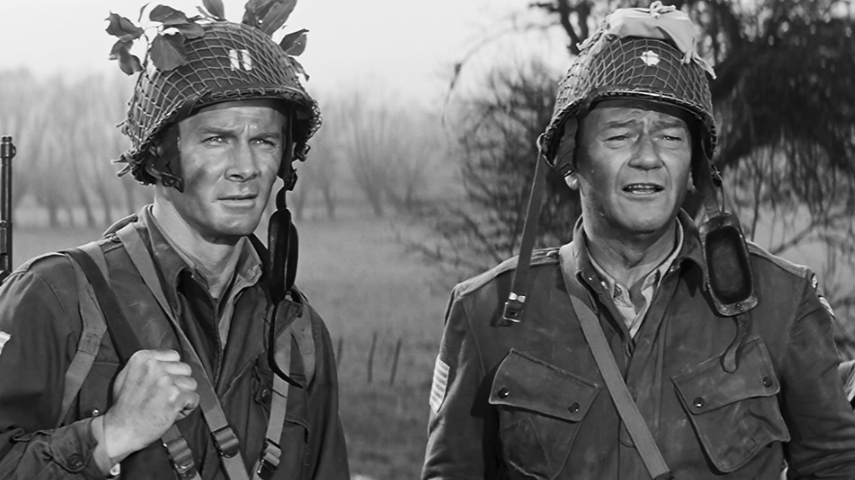
The landscape of cinema has always been shaped by the political, cultural, and emotional climate of the eras it portrays. Nowhere is this more evident than in the long and complex history of American War Movies. From the patriotic narratives of early Hollywood to the morally ambiguous depictions of more recent decades, American war films reflect shifting national attitudes toward conflict, heroism, trauma, and identity. By examining their evolution, one can trace a cinematic journey that parallels the changing conscience of the United States.
The Beginnings of the Genre: Idealism and National Identity
Early Hollywood and the Construction of Heroism
In the early twentieth century, filmmakers approached war with patriotic reverence. These early works, particularly those released around World War I and the years following, sought to reinforce national unity. Films like The Birth of a Nation (despite its troubling racial politics) and Wings (1927), the latter famously winning the first Academy Award for Best Picture, portrayed war as a noble venture. Heroism was central, and the American soldier was depicted as brave, morally righteous, and destined to prevail.
This idealistic portrayal continued into World War II. Movies like Sahara (1943) and Thirty Seconds Over Tokyo (1944) served as both entertainment and propaganda, encouraging national support for the war effort. War was framed as a collective moral duty, and filmmakers emphasized courage, sacrifice, and unity. Even when loss was shown, it was presented as noble and necessary.
The Golden Age of War Epics
The 1950s expanded the scope of war films with large-scale epics. Films like The Bridge on the River Kwai (1957) and The Longest Day (1962) focused on heroism and larger-than-life narratives, further mythologizing American participation in global conflicts. These works maintained a reverent tone but introduced growing complexity regarding leadership, strategy, and sacrifice.
The Vietnam Era and the Rise of Disillusionment
A Changing Cultural Landscape
As the Vietnam War unfolded, American society underwent profound cultural upheaval. This shift transformed American War Movies, which began to reflect skepticism, trauma, and moral uncertainty. Hollywood no longer presented war as a straightforward battle between good and evil.
Films That Questioned the Narrative
Movies like The Deer Hunter (1978) and Apocalypse Now (1979) delved deeply into the psychological devastation of war. The latter, inspired loosely by Joseph Conrad’s Heart of Darkness, transformed Vietnam into a surreal, hallucinatory descent into madness. Instead of celebrating victory, the film questioned the very nature of violence and imperial power.
Platoon (1986), directed by Oliver Stone, a Vietnam veteran, became one of the most influential films of the era. Its portrayal of moral chaos, fracturing loyalties, and psychological wounds offered a stark contrast to earlier depictions of warfare. Stone’s firsthand experience brought authenticity and raw emotional truth to the screen, emphasizing that war corrupts as often as it inspires.
These films collectively signaled a turning point in the genre. They rejected patriotic certainty and instead embraced ambiguity, trauma, and self-reflection.
Post-Vietnam Reflections: Grit, Realism, and Psychological Depth
War as Personal Trauma
As Hollywood moved into the 1990s, the emphasis on the psychological consequences of combat intensified. Films such as Born on the Fourth of July (1989) and Casualties of War (1989) examined not only the battlefield but the aftermath, portraying veterans struggling with PTSD, guilt, and reintegration into civilian life.
This period marked a departure from traditional narratives of victory. The focus shifted toward the individual soldier’s inner battles, exposing viewers to the long-term emotional costs of war.
Revisiting World War II with New Realism
Steven Spielberg’s Saving Private Ryan (1998) revolutionized the war film with its visceral depiction of the D-Day invasion. The opening twenty minutes, in particular, became a landmark in cinematic realism. Instead of presenting sanitized heroism, the film plunged audiences into chaotic brutality, shifting the genre toward authenticity and emotional intensity.
This new wave of realism influenced subsequent films like Black Hawk Down (2001) and We Were Soldiers (2002), which likewise emphasized the confusion, fear, and humanity found amid combat. War was now shown as a place where survival, rather than glory, became the central theme.
The Post-9/11 Era: Modern Complexity and Moral Reckoning
A New Kind of War Demands a New Kind of Film
The terrorist attacks of September 11, 2001, reshaped global politics and inspired a new chapter in American War Movies. With the wars in Afghanistan and Iraq, filmmakers grappled with the ethical, emotional, and political complexities of modern conflict.
The Rise of Anti-Heroes and Moral Ambiguity
In films like The Hurt Locker (2008), Kathryn Bigelow focused on the psychological addiction to adrenaline experienced by soldiers in high-stakes environments. Rather than depicting war as grand or heroic, the film foregrounded internal turmoil and the complex motivations that drive individuals into and out of combat zones. It became the first film by a female director to win Best Picture, cementing the genre’s evolving diversity.
Similarly, American Sniper (2014) explored the emotional toll on soldiers who struggle to balance patriotism, duty, and the haunting memories of their actions. Its portrayal of Chris Kyle sparked national debate, reflecting the deeply polarized views of recent conflicts.
Drone Warfare and New Ethical Dilemmas
Films such as Eye in the Sky (2015) addressed the technological and ethical challenges of modern warfare. Soldiers and commanders faced life-and-death decisions through screens and remote controls, prompting questions about accountability, detachment, and the evolving nature of combat.
These films expanded the boundaries of the genre, capturing the complexities of wars fought not only on battlefields but in political rooms, intelligence networks, and digital interfaces.
The Contemporary Landscape: Diversity, Representation, and Cultural Reflection
Inclusive Perspectives in War Cinema
Recent American War Movies have embraced diverse viewpoints that were historically underrepresented. Red Tails (2012) portrayed the Tuskegee Airmen, while Devotion (2022) highlighted the true story of Jesse Brown, the first Black naval aviator. These films broadened the narrative scope, acknowledging the contributions and struggles of minorities in American military history.
War as Historical Memory
Films like 1917 (2019), though British-directed, influenced American cinematic trends by blending realism with immersive storytelling. American cinema responded with works such as Hacksaw Ridge (2016), a film that combined traditional heroism with the moral complexity of conscientious objection.
Meanwhile, documentaries like Restrepo (2010) added firsthand authenticity, offering powerful glimpses into soldiers’ lived experiences and further blurring the line between film and reality.
Conclusion
The evolution of American War Movies mirrors the evolution of American society itself. From early portrayals of patriotic idealism to the modern era’s nuanced examinations of trauma, ethics, and identity, these films provide insight into how the nation understands conflict. As perspectives shift and new conflicts arise, the genre continues to adapt, offering fresh reflections on the meaning of war, the cost of violence, and the human stories behind the headlines. Through its ongoing evolution, the war film remains one of cinema’s most potent and revealing forms, capturing not only the battles fought abroad but the psychological and cultural battles fought within a nation’s conscience.
 Dutch
Dutch
 English
 Arabic
 French
 Spanish
 Portuguese
 Deutsch
 Turkish
 Italiano
 Russian
 Romaian
 Portuguese (Brazil)
 Greek
Greek