
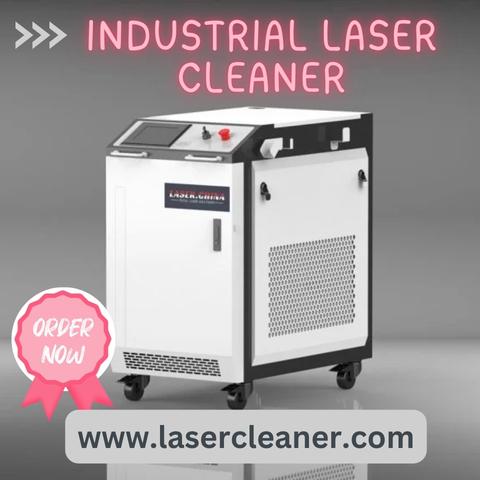
Industrial Laser Cleaner: Advanced Surface Cleaning Technology
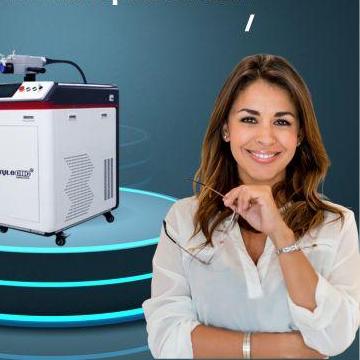
An Industrial laser cleaner is a modern solution designed to remove rust, paint, oil, oxide layers, and other unwanted contaminants from metal surfaces. It uses concentrated laser energy to clean materials without relying on traditional chemicals, abrasive materials, or extensive manual labor. This technology is becoming increasingly popular across manufacturing plants, automotive workshops, metal fabrication facilities, and industrial maintenance operations.
What Is an Industrial Laser Cleaner?
An Industrial laser cleaner system uses a high-energy laser beam to remove unwanted substances from a material's surface. The laser interacts with the contaminants and separates them from the underlying material through a controlled cleaning process.
Unlike conventional cleaning methods, laser technology can provide precise surface treatment with minimal physical contact. Operators can adjust the cleaning parameters according to the material, contamination level, and required surface finish.
These machines are commonly available in different power configurations, allowing businesses to select suitable equipment for light cleaning tasks or demanding industrial applications.
How Does Laser Cleaning Work?
Laser cleaning works by directing a focused laser beam onto the contaminated surface. When the laser energy reaches the unwanted layer, it causes the contaminants to break down, vaporize, or detach from the material.
The cleaning process generally involves the following steps:
-
Surface Inspection: Operators examine the material to identify rust, paint, oil, or other contaminants.
-
Parameter Selection: Appropriate laser power, frequency, and scanning settings are selected.
-
Laser Application: The laser beam is directed across the surface to remove unwanted layers.
-
Surface Examination: The cleaned area is inspected to ensure the required cleaning quality.
Proper parameter adjustment helps achieve consistent results while reducing the risk of damaging the base material.
Industrial Applications of Laser Cleaning
Laser cleaning technology supports various industrial operations. Its versatility makes it suitable for different materials and production environments.
1. Automotive Manufacturing
Automotive manufacturers use laser cleaning to remove rust, paint, and oxidation from vehicle components. It can also prepare metal surfaces before welding, coating, or other manufacturing processes.
2. Metal Fabrication
Metal fabrication workshops use laser cleaning to prepare steel, aluminum, and other metal surfaces. It helps remove contaminants before welding, assembly, and finishing operations.
3. Shipbuilding and Marine Industries
Marine equipment frequently experiences rust and corrosion due to exposure to moisture and saltwater. Laser cleaning provides a controlled method for treating affected metal components and preparing surfaces for maintenance.
4. Aerospace Industry
Aerospace manufacturers require accurate surface preparation for critical components. Laser cleaning can be used for removing coatings and contaminants when suitable cleaning parameters and approved procedures are followed.
5. Industrial Equipment Maintenance
Factories use laser cleaning to maintain machinery, molds, tools, and production equipment. Regular surface cleaning helps maintain equipment condition and prepare components for repair or refurbishment.
Choosing the Right Laser Cleaning Machine
Selecting suitable equipment depends on the intended application and working environment. Businesses should consider several important factors before purchasing a machine.
-
Laser Power: Common industrial options include 1000W, 1500W, 2000W, and 3000W systems.
-
Cleaning Material: Consider whether the machine will be used on stainless steel, carbon steel, aluminum, or other materials.
-
Contamination Type: Different laser settings may be required for rust, paint, grease, and oxide removal.
-
Working Environment: Consider portability, workspace requirements, and operating conditions.
-
Safety Requirements: Ensure suitable protective equipment, laser safety enclosures, extraction systems, and operator training are available.
Comparing these factors helps businesses identify equipment that matches their production requirements and long-term operational plans.
Why Businesses Are Investing in Laser Cleaning
Manufacturing companies are increasingly exploring laser technology as part of their surface treatment processes. Its controlled operation, adjustable cleaning parameters, and ability to handle different industrial applications make it an attractive option.
For businesses looking to modernize their maintenance and production processes, an Industrial laser cleaner can provide a practical approach to surface preparation and contaminant removal.
Before purchasing, buyers should review machine specifications, request material testing, and evaluate the supplier's technical support and warranty services.
Final Thoughts
Laser cleaning is transforming how industries approach rust removal, paint stripping, and metal surface preparation. With suitable power configurations and carefully selected operating parameters, businesses can integrate this technology into manufacturing, maintenance, and refurbishment workflows.
Choosing the right Industrial laser cleaner requires understanding your materials, cleaning requirements, production volume, and workplace safety conditions. Investing in suitable equipment can help establish a more controlled and efficient industrial cleaning process.


