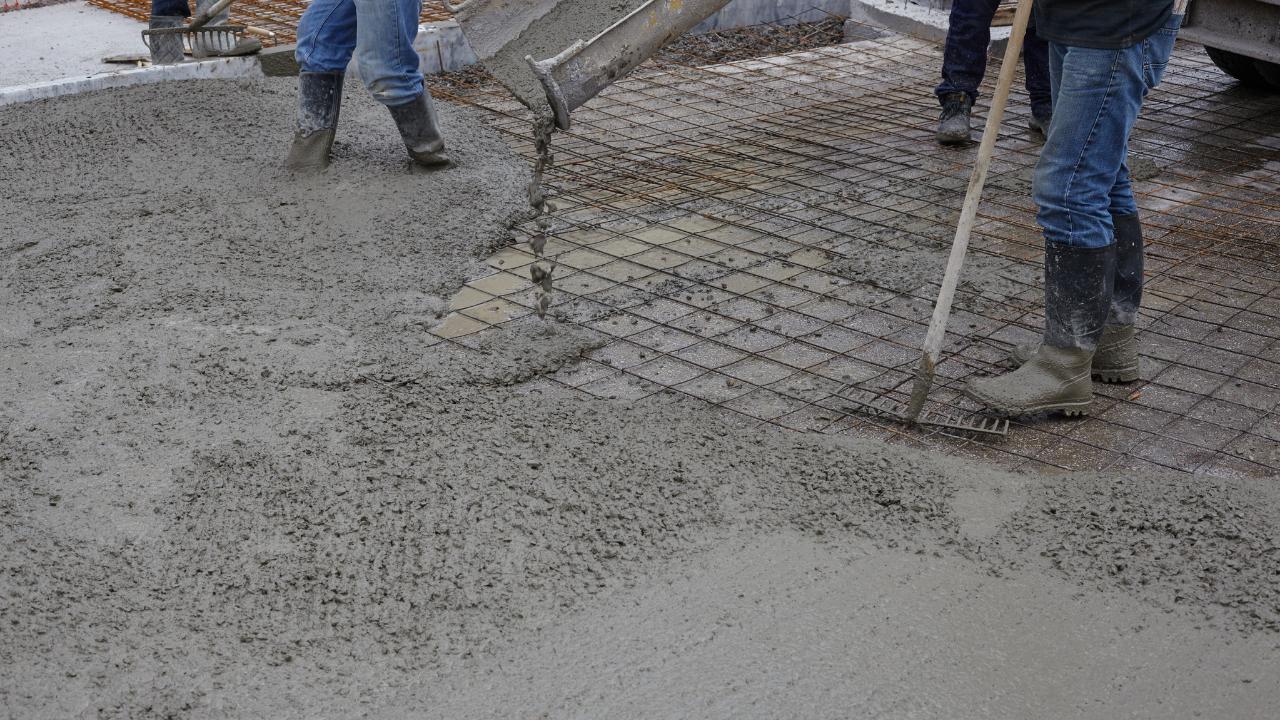
Concrete work is everywhere. It is under homes, offices, stores, sidewalks, and roads. But not all concrete jobs are the same. One of the biggest differences in the concrete world is between residential concrete contractors and commercial concrete contractors.
Many people think concrete is just concrete. That idea is not fully correct. The type of project, the size, the rules, and the skills needed can change a lot depending on whether the job is residential or commercial.
This guide explains the difference between residential and commercial concrete contractors in very simple terms. It is written to be easy to read and easy to understand. By the end, you will know which type of contractor you need and why choosing the right one matters.
What Is a Residential Concrete Contractor?
A residential concrete contractor works on homes and small living spaces. Their main focus is on projects that improve or support private houses and small residential properties.
These contractors usually work directly with homeowners. Their jobs are often smaller in size and faster to complete than commercial projects.
Residential concrete work is designed to look good, feel safe, and last for many years with normal home use.
Common Residential Concrete Projects
Residential concrete contractors usually handle projects such as driveways, patios, sidewalks around homes, garage floors, basement floors, concrete steps, concrete slabs for sheds, stamped concrete for decoration, and small retaining walls.
These projects focus on comfort, safety, and appearance. Homeowners often want concrete that matches their house style and increases property value.
What Is a Commercial Concrete Contractor?
A commercial concrete contractor works on large buildings and public or business spaces. These include offices, schools, hospitals, shopping centers, parking garages, warehouses, and apartment complexes.
Commercial projects are bigger, more complex, and follow strict building rules. These contractors usually work with engineers, architects, inspectors, and city officials.
The concrete used in commercial projects must handle heavy loads, constant traffic, and long-term use.
Common Commercial Concrete Projects
Commercial concrete contractors handle foundations for large buildings, parking lots, loading docks, sidewalks for public areas, ramps, industrial floors, concrete walls, and structural concrete work.
These projects are designed for strength, safety, and long-term performance rather than just appearance.
Project Size and Scope
One of the biggest differences between residential and commercial concrete contractors is the size of the project.
Residential projects are smaller. A driveway or patio may take a few days to complete. The planning process is usually simple, and changes can be made quickly.
Commercial projects are much larger. They can take weeks or months to finish. These jobs require detailed planning, schedules, and coordination with many teams.
Because of this, commercial contractors use more workers, bigger machines, and advanced equipment.
Design and Appearance Differences
Residential concrete often focuses on looks. Homeowners care about how the concrete blends with their home. Decorative finishes like stamped concrete, colored concrete, or textured surfaces are common in residential work.
Commercial concrete focuses more on function. The main goals are strength, safety, and durability. The surface may look plain, but it is built to handle heavy use.
This does not mean commercial concrete looks bad. It simply means appearance is not the top priority.
Materials and Strength Requirements
Residential concrete is designed for light to moderate use. It must support cars, furniture, and foot traffic. The concrete mix is strong but not extreme.
Commercial concrete must support much heavier loads. Think about delivery trucks, forklifts, large crowds, and heavy equipment. Because of this, commercial concrete mixes are often stronger and reinforced with steel.
Commercial contractors also follow strict rules for curing time, thickness, and reinforcement.
Tools and Equipment Used
Residential concrete contractors use tools suited for small to medium jobs. These include mixers, hand tools, finishing tools, and small machinery.
Commercial concrete contractors use heavy-duty equipment. This includes large concrete pumps, cranes, laser-guided leveling tools, and industrial finishing machines.
The equipment difference reflects the scale of the work. Bigger projects need bigger tools.
Timeline and Scheduling
Residential concrete projects usually have flexible timelines. Weather delays can be managed easily. Homeowners and contractors often communicate directly and adjust schedules as needed.
Commercial projects follow strict schedules. Delays can affect many teams and cost a lot of money. Contractors must stick closely to timelines and work efficiently.
This is why commercial contractors often work longer hours and use larger crews.
Permits and Regulations
Residential concrete projects may need simple permits. The rules depend on the city, but the process is usually quick.
Commercial concrete projects require many permits and inspections. Contractors must follow local, state, and sometimes federal rules. Safety codes are strict, and inspections are frequent.
Commercial contractors are trained to handle these legal requirements and paperwork.
Cost Differences
Residential concrete projects usually cost less. The materials, labor, and equipment are smaller in scale. Homeowners can often get a clear estimate quickly.
Commercial concrete projects cost much more. The size, materials, labor, equipment, permits, and insurance all add to the cost.
Commercial contractors provide detailed bids and contracts that outline every part of the project.
Skill Level and Experience
Both residential and commercial concrete contractors need skill and experience. However, commercial work requires advanced knowledge.
Commercial contractors must understand engineering plans, load calculations, safety systems, and large-scale coordination.
Residential contractors focus more on customer service, design options, and finishing details.
Choosing a contractor with the right experience is very important. A residential contractor may not be prepared for a large commercial job, and a commercial contractor may not be the best fit for a small home project.
Communication Style
Residential concrete contractors usually communicate directly with homeowners. They explain the process in simple terms and help customers choose designs and finishes.
Commercial concrete contractors communicate with project managers, engineers, and business owners. Communication is more formal and detailed.
Both styles are important, depending on the project type.
Maintenance and Long-Term Use
Residential concrete is designed for daily home use. With basic care, it can last many years.
Commercial concrete is designed for heavy and constant use. It requires regular inspections and maintenance to ensure safety and performance.
Commercial contractors often provide long-term maintenance plans for large properties.
Safety Standards
Safety is important in all concrete work, but commercial projects follow stricter rules.
Residential projects focus on basic safety for workers and homeowners.
Commercial projects require safety training, protective equipment, and detailed safety plans. This protects workers and the public.
Which Contractor Should You Choose?
The choice depends on your project.
If you need a driveway, patio, sidewalk, or home foundation, a residential concrete contractor is usually the right choice.
If you need a parking lot, warehouse floor, office foundation, or large public space, you need a commercial concrete contractor.
Some companies handle both types of work. It is important to ask about their experience and past projects.
Local Expertise Matters
Concrete work is affected by local soil, weather, and building codes. Hiring a local contractor who understands these factors is a smart move.
For property owners looking for trusted Concrete Contractors in Bellevue, working with a local company ensures the project meets local standards and lasts longer.
Bellevue Nebraska Concrete Contractors understands the needs of both residential and commercial clients in the area. Their team brings local knowledge, skilled workmanship, and a clear understanding of Bellevue building requirements.
Why the Difference Matters
Understanding the difference between residential and commercial concrete contractors helps you avoid problems.
Hiring the wrong type of contractor can lead to delays, extra costs, or poor results. The right contractor saves time, money, and stress.
Concrete is a long-term investment. Making the right choice from the start is critical.
Final Thoughts
Residential and commercial concrete contractors serve different purposes. Residential contractors focus on homes, comfort, and appearance. Commercial contractors focus on large projects, strength, and strict rules.
Both play an important role in building safe and strong spaces.
Before starting any concrete project, take time to understand your needs. Ask questions, review experience, and choose a contractor that fits your project type.
If you are in Bellevue, Nebraska, and need reliable concrete services, Bellevue Nebraska Concrete Contractors at 4916 Robin Dr, Bellevue, NE 68157 offers professional solutions tailored to local residential and commercial needs.
Choosing the right contractor is not just about pouring concrete. It is about building something that lasts.