

How Do British War Movies Portray National Military Identity?

British war cinema has long served as a cultural mirror, reflecting how the nation understands its military past, present, and values. From post–Second World War dramas to contemporary reinterpretations of conflict, British War Movies consistently explore themes of duty, restraint, sacrifice, and collective endurance. Unlike some cinematic traditions that emphasize spectacle or individual heroism, British war films often frame military identity as a moral and social responsibility shaped by history, class, and national character. Through narrative tone, character construction, and historical framing, these films contribute to a distinctive portrayal of national military identity that continues to evolve with changing cultural attitudes.
Historical Foundations of British War Cinema
British War Movies emerged prominently during and immediately after the Second World War, when cinema played a crucial role in shaping public morale and national self-understanding. Early films often functioned as both documentation and reassurance, reinforcing a sense of shared purpose during a time of existential threat.
These films laid the groundwork for how British military identity would be portrayed for decades to come. Rather than glorifying violence, they emphasized endurance, cooperation, and quiet resolve. This foundational approach continues to influence modern portrayals, even as cinematic techniques and political perspectives have shifted.
Wartime Realism and Collective Identity
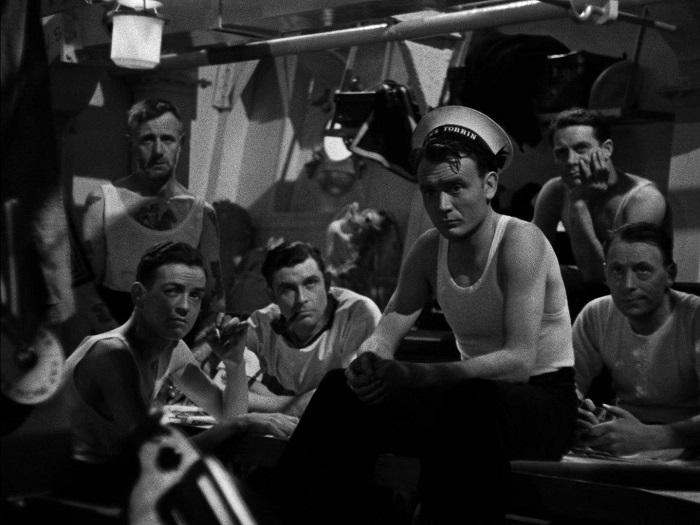
Films such as In Which We Serve present military service as a collective endeavor rather than an individual quest for glory. Officers and enlisted men are shown working together, bound by shared responsibility and mutual respect.
This focus on collective identity reflects a broader national narrative in which the military is seen as an extension of civilian society. British War Movies often blur the line between soldier and citizen, reinforcing the idea that military identity is rooted in communal values rather than exceptionalism.
The Role of Restraint and Stoicism
Emotional Control as National Character
One of the most distinctive traits in British war cinema is emotional restraint. Characters frequently confront fear, loss, and moral ambiguity with composure rather than overt displays of emotion. This stoicism is not presented as emotional emptiness but as a disciplined response to adversity.
British War Movies use this restraint to define military identity as grounded in self-control and perseverance. Soldiers are portrayed as individuals who endure hardship quietly, reflecting a cultural ideal that values dignity under pressure.
Quiet Courage Over Spectacle
Bold heroics are often understated in British war films. Acts of bravery occur without fanfare, and success is measured by survival or mission completion rather than triumph.
This approach contrasts with more flamboyant portrayals of warfare and reinforces an identity rooted in quiet courage. The emphasis is not on conquering enemies but on fulfilling duty with integrity, even when outcomes are uncertain.
Class, Leadership, and Social Structure
Officers and Enlisted Men in Relationship
British War Movies frequently explore class dynamics within the military. Leadership is often portrayed as paternal or restrained, shaped by tradition and social hierarchy. Officers are expected to lead with responsibility rather than dominance.
Films such as The Dam Busters illustrate how authority is balanced with accountability. Leaders are shown grappling with moral responsibility for their men, reinforcing a model of command rooted in obligation rather than privilege.
The Military as a Social Microcosm
By depicting diverse backgrounds within military units, British war cinema presents the armed forces as a microcosm of national society. Class differences are acknowledged but often softened by shared purpose.
This portrayal supports a national military identity that emphasizes unity across social divisions. British War Movies suggest that while differences exist, they are secondary to collective responsibility in times of crisis.
Memory, Loss, and Moral Reflection
War as Tragedy Rather Than Triumph
Many British war films approach conflict as a tragic necessity rather than a celebratory event. Loss is treated with gravity, and victories are often portrayed as costly and incomplete.
This framing shapes national military identity as morally complex. Soldiers are not idealized as invulnerable heroes but recognized as individuals bearing the psychological and emotional weight of war.
Remembrance and Ethical Responsibility
The theme of remembrance is central to British War Movies. Films often conclude not with victory but with reflection, emphasizing the enduring impact of conflict on individuals and communities.
This emphasis aligns military identity with ethical responsibility. Service is portrayed as honorable, but war itself is not romanticized. The focus remains on remembering sacrifice rather than celebrating domination.
Postwar and Cold War Reinterpretations
Shifting Attitudes Toward Authority
As Britain’s global role changed in the postwar era, war films began to reflect greater skepticism toward authority and military decision-making. Films like The Bridge on the River Kwai explore the tension between duty and obsession, questioning whether rigid adherence to military codes can become morally dangerous.
These narratives complicate national military identity, introducing ambiguity where earlier films emphasized unity. British War Movies increasingly portray soldiers as thinkers and moral agents rather than unquestioning instruments of policy.
Individual Conscience Within the System
Later films focus more closely on individual conscience, highlighting conflicts between personal ethics and institutional demands. This shift reflects broader cultural changes and adds depth to portrayals of military identity.
Rather than undermining respect for service, this complexity enhances it by acknowledging the human cost of obedience and the difficulty of moral choice in wartime.
Contemporary British War Movies and Modern Identity
Modern Conflicts and Psychological Focus
Recent British war films addressing conflicts in Iraq or Afghanistan often emphasize psychological realism. Trauma, disillusionment, and moral uncertainty take center stage, reflecting contemporary concerns about warfare’s long-term effects.
British War Movies in this era continue to portray military identity as rooted in professionalism and restraint, but they also highlight vulnerability. Soldiers are shown navigating ethical dilemmas that lack clear resolution.
National Identity in a Global Context
Modern films situate British military identity within a global framework. Alliances, political complexity, and cultural interaction are emphasized, reflecting Britain’s evolving role on the world stage.
This portrayal suggests a military identity defined not by dominance but by responsibility, cooperation, and adaptability. The emphasis remains on service rather than conquest.
Cinematic Style and Narrative Tone
Realism and Modesty in Visual Language
British war cinema often employs a restrained visual style. Cinematography favors realism over spectacle, reinforcing themes of authenticity and seriousness.
This stylistic choice aligns with the broader portrayal of military identity. The absence of excessive visual dramatization supports a narrative of measured response and sober reflection.
Dialogue and Silence as Identity Markers
Dialogue in British War Movies is frequently understated, and silence plays a significant role. Meaning is conveyed through implication rather than exposition, mirroring the cultural value placed on understatement.
This narrative approach reinforces the image of the British soldier as thoughtful, disciplined, and internally resilient rather than outwardly expressive.
Conclusion: A Distinctive Military Identity on Screen
British War Movies portray national military identity as a blend of restraint, duty, moral reflection, and collective responsibility. Through understated heroism, attention to class and leadership, and a persistent focus on loss and remembrance, these films offer a nuanced vision of military service.
Rather than glorifying war, British war cinema consistently emphasizes its cost. Soldiers are depicted as ordinary individuals placed in extraordinary circumstances, defined not by aggression but by endurance and ethical struggle. This portrayal reinforces a national identity rooted in quiet strength, historical awareness, and moral seriousness.
As British War Movies continue to evolve, they remain a vital cultural space for examining how a nation understands its military role. By balancing respect for service with honest reflection on conflict, these films ensure that military identity is portrayed not as myth, but as a complex and deeply human reality.


